
Variable Bluet
Coenagrion pulchellum
Photo: Wikimedia Commons (CC) via https://en.wikipedia.org/wiki/Variable_damselfly
Overview
Coenagrion pulchellum is a small damselfly with a slender body marked in blue and black, males displaying distinctive "wine-glass" markings on the second abdominal segment that distinguish them from closely related bluet species. Females are typically greenish or brownish with dark dorsal patterning. Adults are weak fliers that remain close to dense emergent and submerged vegetation, where they hunt small flying insects.
Larvae are aquatic predators, feeding on other invertebrates, and their presence supports fish, amphibians, and birds further up the food chain, making them useful indicators of freshwater habitat quality.
The species has an extensive range across Europe and into parts of western and central Asia, with records extending to Kazakhstan, Iran, and Kyrgyzstan, and isolated occurrences noted in Canada and Australia. It inhabits still or slow-moving freshwater bodies such as ponds, ditches, canals, and fens with abundant aquatic vegetation.
Despite its broad distribution, population numbers are declining in many regions due to agricultural runoff causing eutrophication, drainage of wetlands, pollution linked to urban expansion, altered water levels from climate change, and habitat degradation from invasive plants. These pressures reduce the structural complexity of vegetation the species depends on for breeding and shelter.
Conservation responses include wetland restoration projects, water quality monitoring, and habitat protection measures within protected areas across parts of its European range, alongside national-level monitoring programs tracking damselfly populations.
Its current population trend is unknown, reflecting inconsistent monitoring across its wide range. Given the combination of ongoing habitat degradation and water quality pressures, the species' long-term outlook remains uncertain without sustained wetland conservation efforts.
The Variable Bluet damselfly is mainly threatened by the loss of its wetland homes as ponds and marshes are drained for other uses, and by pollution from farm fertilizer runoff and city wastewater that causes excessive algae growth in its water habitats. Shifting water levels linked to climate change and the spread of invasive plants that crowd out native vegetation are also degrading the ponds and slow-moving waters it depends on. These threats currently appear to be ongoing and stable rather than clearly worsening or improving.
Habitat
The Variable Damselfly inhabits shallow, well-vegetated freshwater bodies including ponds, ditches, canals, and slow-flowing streams with abundant emergent and submerged vegetation. It shows a strong preference for calcareous waters with stable water levels and requires areas with diverse aquatic plant communities that provide both oviposition sites and shelter for developing larvae.
Other threatened species in Coenagrionidae


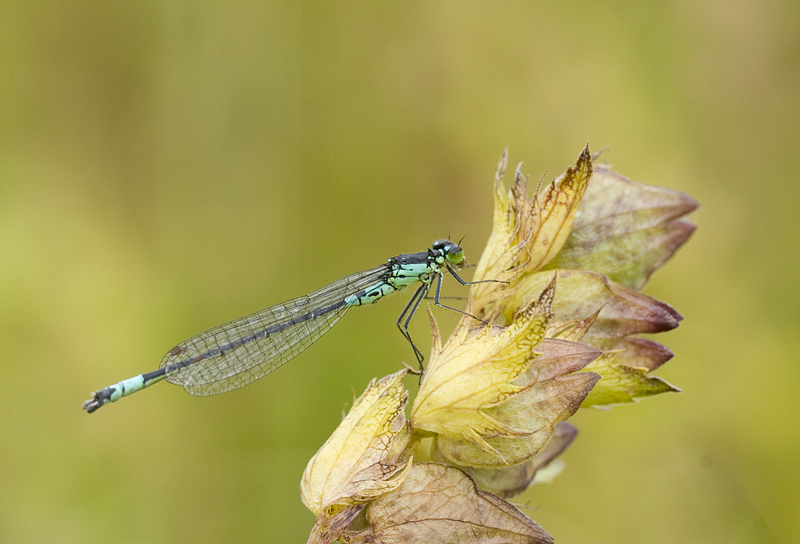
Threatened in Åland Islands


Frequently asked questions
Why is Variable Bluet classified as Endangered?
Where does Variable Bluet live?
What are the main threats to Variable Bluet?
Get weekly conservation intelligence
One short digest a week of the most striking species and country data we ship, plus breaking conservation news paired with our database where it matters.
Free, no spam. One-click unsubscribe in every email.