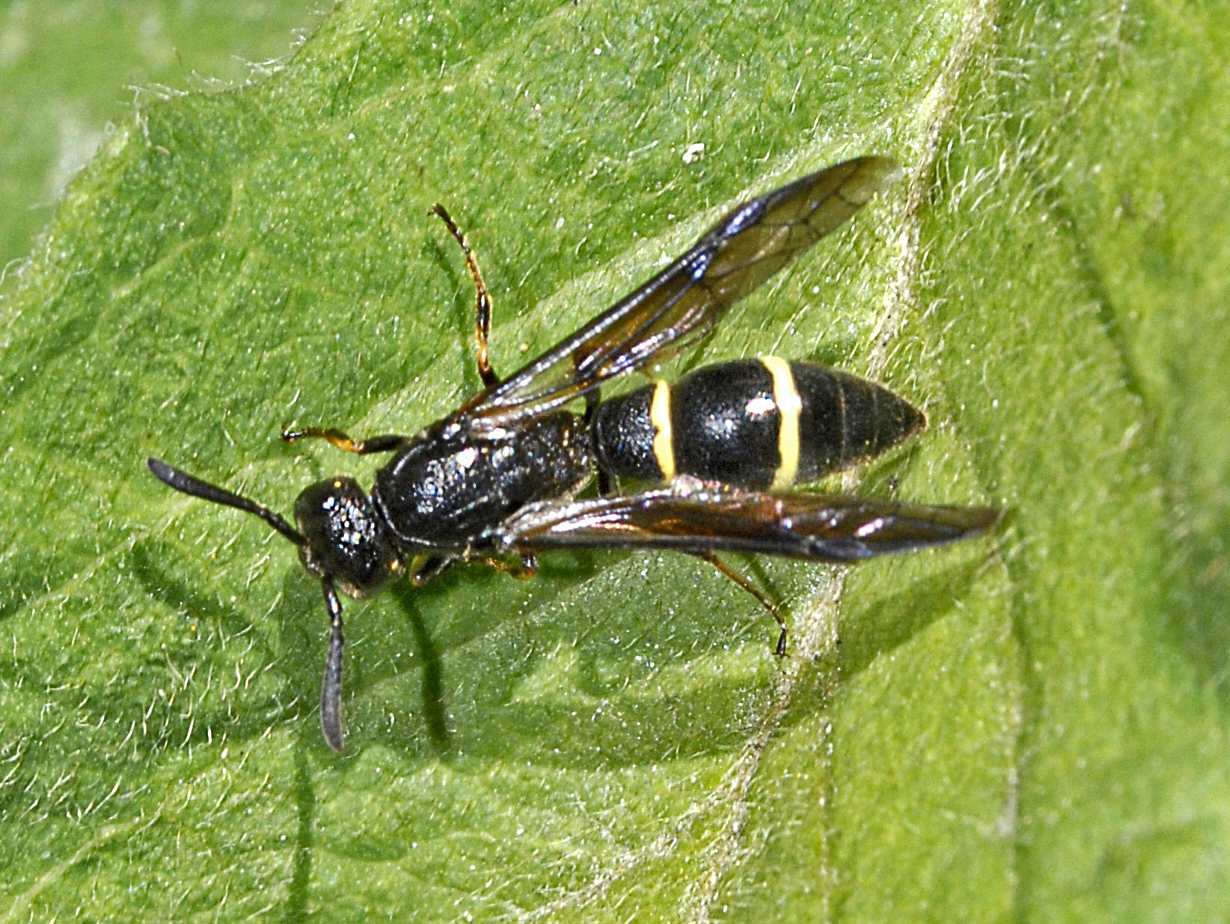
Symmorphus allobrogus
Photo: Wikimedia Commons (CC) via https://en.wikipedia.org/wiki/Symmorphus_allobrogus
Overview
A detailed profile for this species is sourced from the IUCN Red List of Threatened Species as assessments become available.
Symmorphus allobrogus faces significant pressure from habitat degradation in its specialized montane environments. Agricultural intensification and urban development have reduced the availability of suitable nesting sites and prey resources. Climate change poses an additional threat by altering the elevation zones where this species can successfully reproduce and overwinter.
Habitat
This solitary wasp inhabits montane regions of central and southern Europe, typically found in rocky areas, alpine meadows, and forest edges at elevations between 800-2000 meters. The species requires access to both suitable nesting sites in wood or plant stems and hunting grounds where it can capture beetle larvae to provision its nests.
Other threatened species in Eumenidae

Threatened in Åland Islands


Frequently asked questions
Why is Symmorphus allobrogus classified as Vulnerable?
Where does Symmorphus allobrogus live?
What are the main threats to Symmorphus allobrogus?
Get weekly conservation intelligence
One short digest a week of the most striking species and country data we ship, plus breaking conservation news paired with our database where it matters.
Free, no spam. One-click unsubscribe in every email.