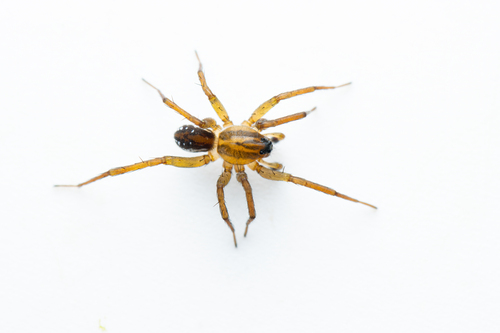
Pirata tenuitarsis
Photo: (c) Frederik Leck Fischer, všetky práva vyhradené, uploaded by Frederik Leck Fischer
Overview
Pirata tenuitarsis, commonly known as the veenpiraat or bog pirate spider, is a critically endangered wolf spider endemic to peat bog ecosystems in northwestern Europe. This small arachnid belongs to the family Lycosidae and is distinguished by its slender tarsi and specialized adaptations for life in wetland environments. The species inhabits the transitional zones between open water and Sphagnum moss carpets in raised bogs and fens, where it hunts small invertebrates on the water surface and among emergent vegetation.
Historical records indicate the veenpiraat was once distributed across suitable bog habitats in the Netherlands, Belgium, and parts of Germany, but contemporary populations have experienced severe decline. The primary threat to this species is habitat destruction through peat extraction, agricultural conversion, and drainage of wetlands for development. Climate change poses additional risks by altering the hydrology of remaining bog systems, potentially disrupting the delicate water level balance required for the spider's survival.
Pollution from agricultural runoff and atmospheric nitrogen deposition further degrades the oligotrophic conditions essential to bog ecosystems. Conservation efforts focus on protecting remaining bog habitats through designation of nature reserves and restoration of degraded peatlands. Habitat management includes maintaining appropriate water levels, controlling invasive plant species, and reducing external nutrient inputs.
Research programs monitor existing populations and investigate the species' ecological requirements to inform conservation strategies, though the current population trend remains unknown due to the difficulty of detecting and surveying this cryptic species.
The veenpiraat faces severe threats from widespread destruction of its bog habitat through peat extraction, agricultural conversion, and wetland drainage. Climate change and pollution from agricultural runoff further degrade the specialized oligotrophic conditions this species requires for survival.
Habitat
This species inhabits the transitional zones between open water and Sphagnum moss carpets in raised bogs and fens. It requires the specialized oligotrophic conditions found in undisturbed peatland ecosystems with stable water levels.
Other threatened species in Lycosidae

Threatened in Austria
Frequently asked questions
Why is Pirata tenuitarsis classified as Critically Endangered?
Where does Pirata tenuitarsis live?
What are the main threats to Pirata tenuitarsis?
Get weekly conservation intelligence
One short digest a week of the most striking species and country data we ship, plus breaking conservation news paired with our database where it matters.
Free, no spam. One-click unsubscribe in every email.