
Adonis' Ladybird
Hippodamia variegata
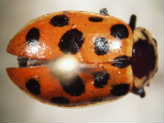
Photo: Wikimedia Commons (CC) via https://en.wikipedia.org/wiki/Hippodamia_variegata
Overview
Variegated Lady Beetle (Hippodamia variegata)
The Variegated Lady Beetle is a small predatory insect measuring 3-5mm in length, characterized by its distinctive orange-red wing covers with variable black spot patterns. Unlike many ladybird species with fixed markings, this beetle displays considerable variation in spot number and arrangement, giving it its "variegated" name. As an aphidophagous predator, it plays a crucial role in agricultural ecosystems by consuming aphids, scale insects, and other soft-bodied pests, with adults capable of eating up to 50 aphids daily.
This species demonstrates remarkable geographic distribution, occurring across six continents from northern Europe through Asia, Africa, and introduced populations in North America, South America, and Oceania. It inhabits diverse terrestrial environments including agricultural fields, grasslands, gardens, and forest edges, showing particular preference for areas with abundant aphid populations.
Despite its wide distribution, the Variegated Lady Beetle is classified as Endangered, though specific threats remain unassessed. The species likely faces pressures common to beneficial insects, including habitat fragmentation, intensive agricultural practices, and competition from invasive ladybird species. Climate change may also affect its distribution patterns and prey availability.
Current conservation measures for this species are limited, with most efforts focusing on broader beneficial insect protection through integrated pest management practices and habitat preservation. The population trend remains unknown, hampering targeted conservation planning.
The species' outlook depends largely on agricultural policy changes and habitat management strategies. Without comprehensive population monitoring and threat assessment, determining long-term viability remains challenging, though its broad distribution may provide some resilience against localized extinctions.
The Variegated Lady Beetle faces severe population declines primarily due to habitat loss from agricultural intensification and urban development. Pesticide use in agricultural areas has significantly reduced both the beetle populations and their aphid prey, while competition from introduced lady beetle species has further stressed native populations.
Habitat
Other threatened species in Coccinellidae


Threatened in Afghanistan

Frequently asked questions
Why is Adonis' Ladybird classified as Endangered?
Where does Adonis' Ladybird live?
What are the main threats to Adonis' Ladybird?
Get weekly conservation intelligence
One short digest a week of the most striking species and country data we ship, plus breaking conservation news paired with our database where it matters.
Free, no spam. One-click unsubscribe in every email.