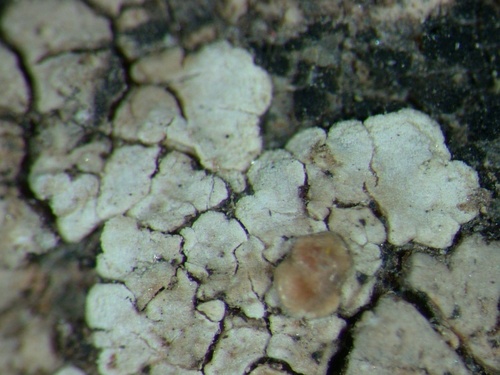
Lecanora soralifera
Overview
A detailed profile for this species is sourced from the IUCN Red List of Threatened Species as assessments become available.
Lecanora soralifera faces severe decline due to agricultural intensification and nitrogen deposition from atmospheric pollution, which alters the chemical composition of its substrate and disrupts the delicate balance required for lichen growth. Urban expansion and infrastructure development have eliminated many of the species' traditional grassland habitats, while climate change is shifting precipitation patterns that affect the moisture regimes essential for this lichen's survival.
Habitat
This lichen species inhabits nutrient-poor grasslands, heathlands, and sandy soils in coastal and inland areas, typically growing on calcareous substrates. It requires specific microclimate conditions with moderate moisture levels and low nitrogen availability to thrive.
Other threatened species in Lecanoraceae

Frequently asked questions
Why is Lecanora soralifera classified as Vulnerable?
Where does Lecanora soralifera live?
What are the main threats to Lecanora soralifera?
Get weekly conservation intelligence
One short digest a week of the most striking species and country data we ship, plus breaking conservation news paired with our database where it matters.
Free, no spam. One-click unsubscribe in every email.