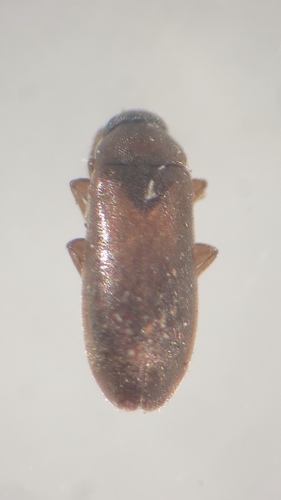
Scraptia fuscula
Photo: Photo: (c) jesorg, all rights reserved
Overview
A detailed profile for this species is sourced from the IUCN Red List of Threatened Species as assessments become available.
Scraptia fuscula faces severe population declines due to habitat loss from deforestation and agricultural conversion of its specialized woodland environments. The species' dependence on dead wood and fungal associations makes it particularly vulnerable to forest management practices that remove decaying timber, while its limited dispersal ability restricts recolonization of degraded areas.
Habitat
Mature deciduous and mixed woodlands with abundant dead wood, fallen logs, and fungal growth, particularly in areas with oak, beech, and other broadleaf trees. The species requires microhabitats with decaying timber and associated fungal communities that support its larval development.
Other threatened species in Scraptiidae
Frequently asked questions
Why is Scraptia fuscula classified as Critically Endangered?
Where does Scraptia fuscula live?
What are the main threats to Scraptia fuscula?
Get weekly conservation intelligence
One short digest a week of the most striking species and country data we ship, plus breaking conservation news paired with our database where it matters.
Free, no spam. One-click unsubscribe in every email.