Zostera angustifolia
Overview
A detailed profile for this species is sourced from the IUCN Red List of Threatened Species as assessments become available.
Smalt ålgräs faces severe decline primarily due to coastal development and water quality degradation in shallow marine environments. Eutrophication from agricultural runoff and urban pollution creates algal blooms that block sunlight essential for photosynthesis, while physical disturbance from boat anchoring and dredging directly destroys seagrass beds. Climate change compounds these pressures through rising sea temperatures and altered salinity levels that stress this temperature-sensitive species.
Habitat
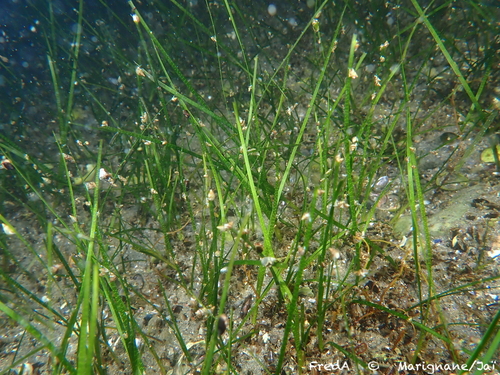
Smalt ålgräs inhabits shallow coastal waters, estuaries, and protected bays with sandy or muddy substrates at depths typically ranging from 0.5 to 4 meters. This seagrass species requires clear water with adequate light penetration and prefers areas with moderate water movement and stable salinity levels.
Other threatened species in Zosteraceae

Frequently asked questions
Why is Zostera angustifolia classified as Endangered?
Where does Zostera angustifolia live?
What are the main threats to Zostera angustifolia?
Get weekly conservation intelligence
One short digest a week of the most striking species and country data we ship, plus breaking conservation news paired with our database where it matters.
Free, no spam. One-click unsubscribe in every email.