Species Explorer
Browse and search species from the IUCN Red List and GBIF.
54,666 species

Slave-making Ant
VUFormica sanguinea

slavemaurblomsterfluge
ENMicrodon mutabilis

slender amber snail
CROxyloma sarsii
The slender amber snail faces severe threats from habitat loss and degradation of its specialized wetland environments, particularly through drainage and development of marshes and wet meadows. Climate change poses additional risks by altering moisture regimes and temperature patterns essential for this species' survival, while pollution from agricultural runoff and urban development further degrades remaining suitable habitats.
Slender Bristle-moss
ENOrthotrichum tenellum
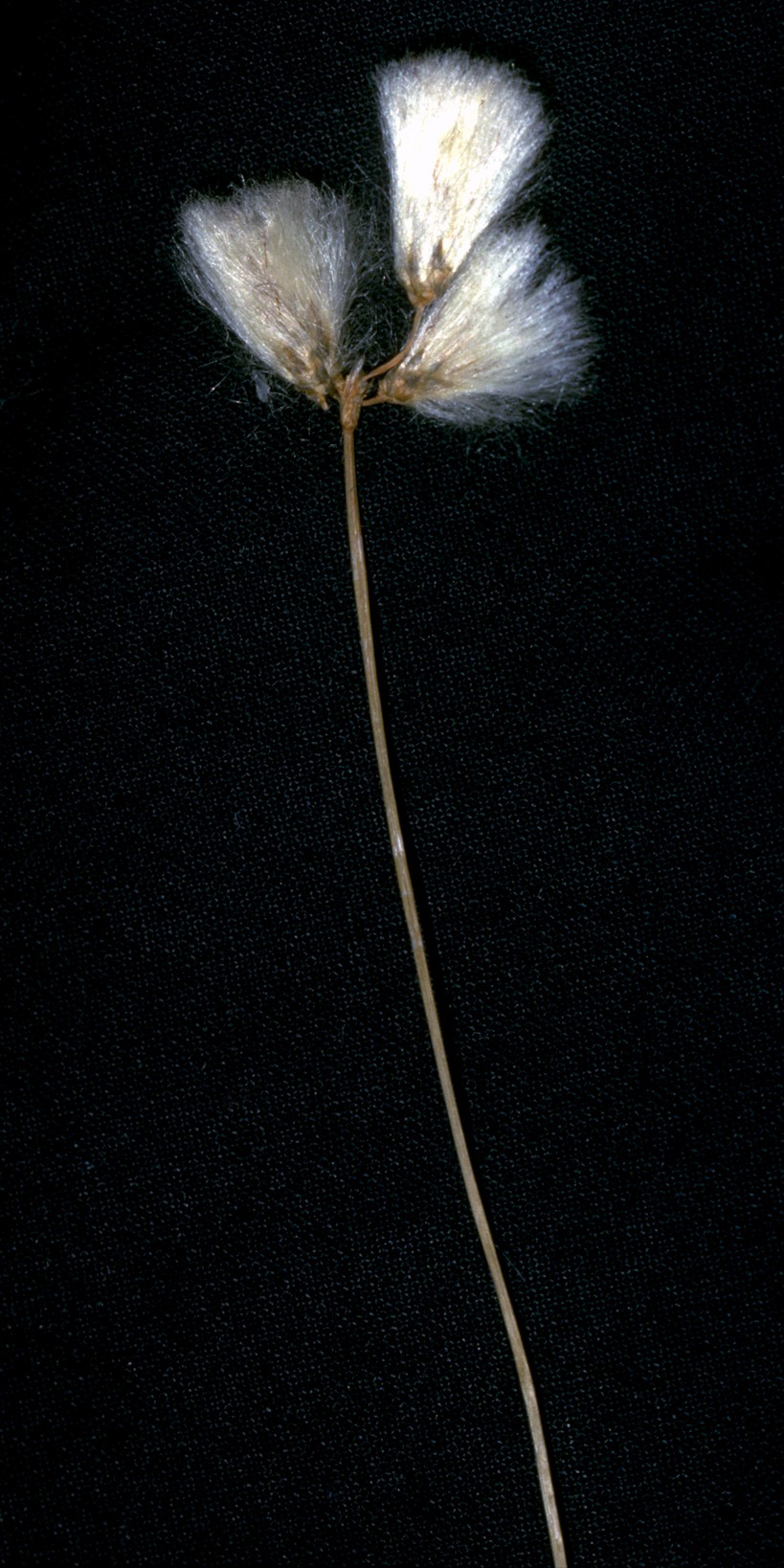
Slender Cottonsedge
ENEriophorum gracile

Slender Cow-horn Bog-moss
VUSphagnum subsecundum
Slender Cruet-moss
CRTetraplodon mnioides
Slender Cruet-moss faces severe threats from habitat degradation and climate change impacts on its specialized microhabitat requirements. This moss species is particularly vulnerable due to its dependence on specific moisture and substrate conditions that are increasingly disrupted by environmental changes and human activities.
Slender Dogtooth Moss
ENCynodontium gracilescens

slender facelina
VUFacelina auriculata
slender gilded coral
VURadicipes gracilis

Slender Parsley-piert
CRAphanes australis
Slender Parsley-piert faces severe threats from habitat loss due to agricultural intensification and urban development across its limited range. The species' specialized habitat requirements and small population size make it extremely vulnerable to environmental changes and human disturbance.
Slender Sensitive Pea
ENChamaecrista serpens

Slender Smoothcap Moss
VUAtrichum tenellum

Slender St John's-wort
VUHypericum pulchrum

Slender Stonewort
VUNitella gracilis
Slender Water Moss
VUFontinalis dalecarlica
Slender Waxcap
ENHygrocybe radiata
Slender-billed Curlew
CRNumenius tenuirostris
The Slender-billed Curlew faces extreme risk of extinction due to severe habitat loss across its breeding and wintering grounds, with wetland drainage and agricultural conversion eliminating critical stopover sites along migration routes. The species has experienced a catastrophic population decline, with no confirmed sightings in recent years despite extensive searches, suggesting the population may have collapsed to near-extinction levels.
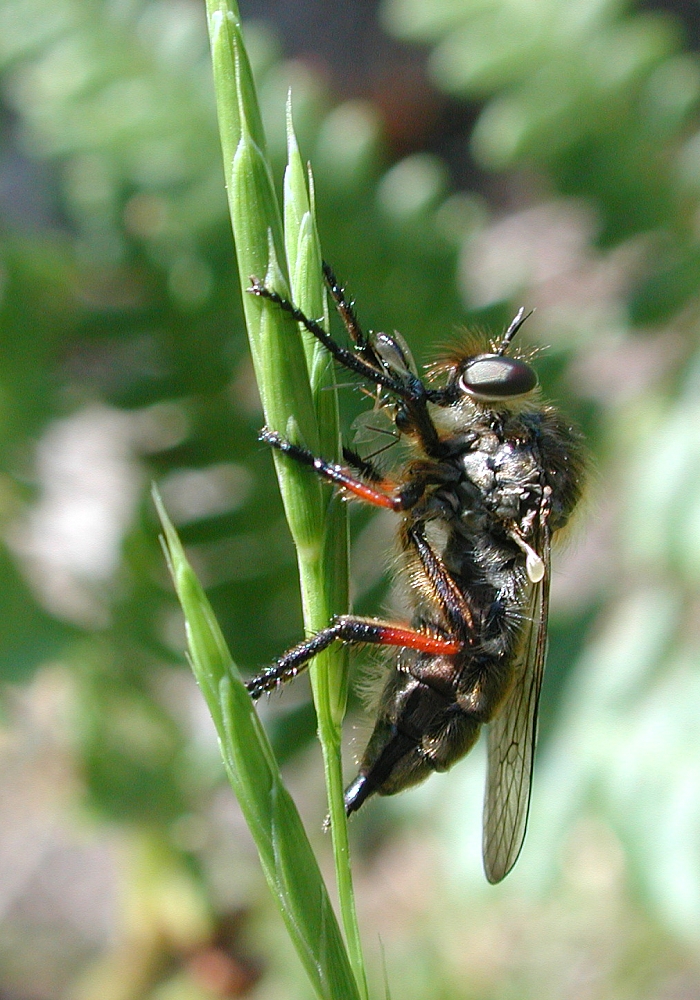
Slender-footed Robberfly
VULeptarthrus brevirostris

Slim-faced Slender Mouse Opossum
ENMarmosops cracens

Slimy Earthtongue
ENGeoglossum difforme

Slimy Spike
CRGomphidius glutinosus
Gomphidius glutinosus faces severe threats from widespread habitat destruction as old-growth coniferous forests are cleared for logging and development. Climate change is altering the delicate mycorrhizal relationships this species depends on with its host trees, while acid rain and atmospheric pollution degrade the forest ecosystems essential for its survival.

Slimy-fruited Stonewort
ENNitella capillaris

Slippery White Bolete
CRSuillus placidus
Suillus placidus faces severe threats from habitat loss due to deforestation and conversion of its specialized pine forest ecosystems. Climate change is altering precipitation patterns and temperature regimes that affect both the fungus and its mycorrhizal pine host relationships. The species' limited distribution and specific ecological requirements make it particularly vulnerable to environmental changes.
slitsfibbla
CRHieracium polyschistomorphum
Hieracium polyschistomorphum faces severe threats from habitat loss due to agricultural expansion and urban development in its limited range. The species' highly specialized ecological requirements and small population size make it extremely vulnerable to environmental changes and human disturbance.

Slobbering catfish
VUBrachyplatystoma platynemum

Sloe Flat-body
ENLuquetia lobella

Sloe midget
VUPhyllonorycter spinicolella
slokbjörnbär
ENRubus flaccidifolius
Småfliget skållav
ENMelanohalea laciniatula
småfruktigt blågryn
VUGregorella humida
småfuktmattevever
VUAllomengea vidua
småjordglye
CREnchylium coccophorum
Småjordglye faces severe threats from air pollution, particularly nitrogen deposition and sulfur compounds, which alter the chemical composition of its substrate and disrupt its symbiotic relationships. Habitat loss due to urbanization and agricultural intensification has eliminated many suitable sites, while climate change is creating increasingly unsuitable conditions for this sensitive lichen species.
smal fläckmaskros
CRTaraxacum lentiginosum
Smal fläckmaskros faces severe threats from habitat loss due to agricultural intensification and urban development in its specialized limestone grassland environments. Climate change poses additional risks through altered precipitation patterns and temperature shifts that affect the delicate ecological balance of its calcareous habitat requirements.
smal öronvivel
VUSimo hirticornis
Smal ovalløber
CRAmara crenata
Amara crenata faces severe population declines due to habitat loss from agricultural intensification and urban development across its range. The species' specialized habitat requirements make it particularly vulnerable to landscape fragmentation and changes in land management practices that alter soil conditions and vegetation structure.
smal treblomsterfluge
CRTemnostoma angustistriatum
Temnostoma angustistriatum faces severe population declines due to widespread habitat loss from deforestation and agricultural conversion of its specialized woodland environments. Climate change is altering the phenology of both the species and its host plants, disrupting critical breeding cycles. The species' narrow habitat requirements and limited dispersal ability make it particularly vulnerable to landscape fragmentation.
småländsk rufsfibbla
VUHieracium subramosum

Small Adder's-tongue
CROphioglossum azoricum
The Small Adder's-tongue faces severe threats from habitat destruction and degradation across its extremely limited range in the Azores. Its specialized habitat requirements and small population size make it highly vulnerable to environmental changes, invasive species, and human activities that alter the delicate ecosystem conditions it depends upon.

Small Bath White
VUPontia chloridice

Small Bladderwort
ENUtricularia minor
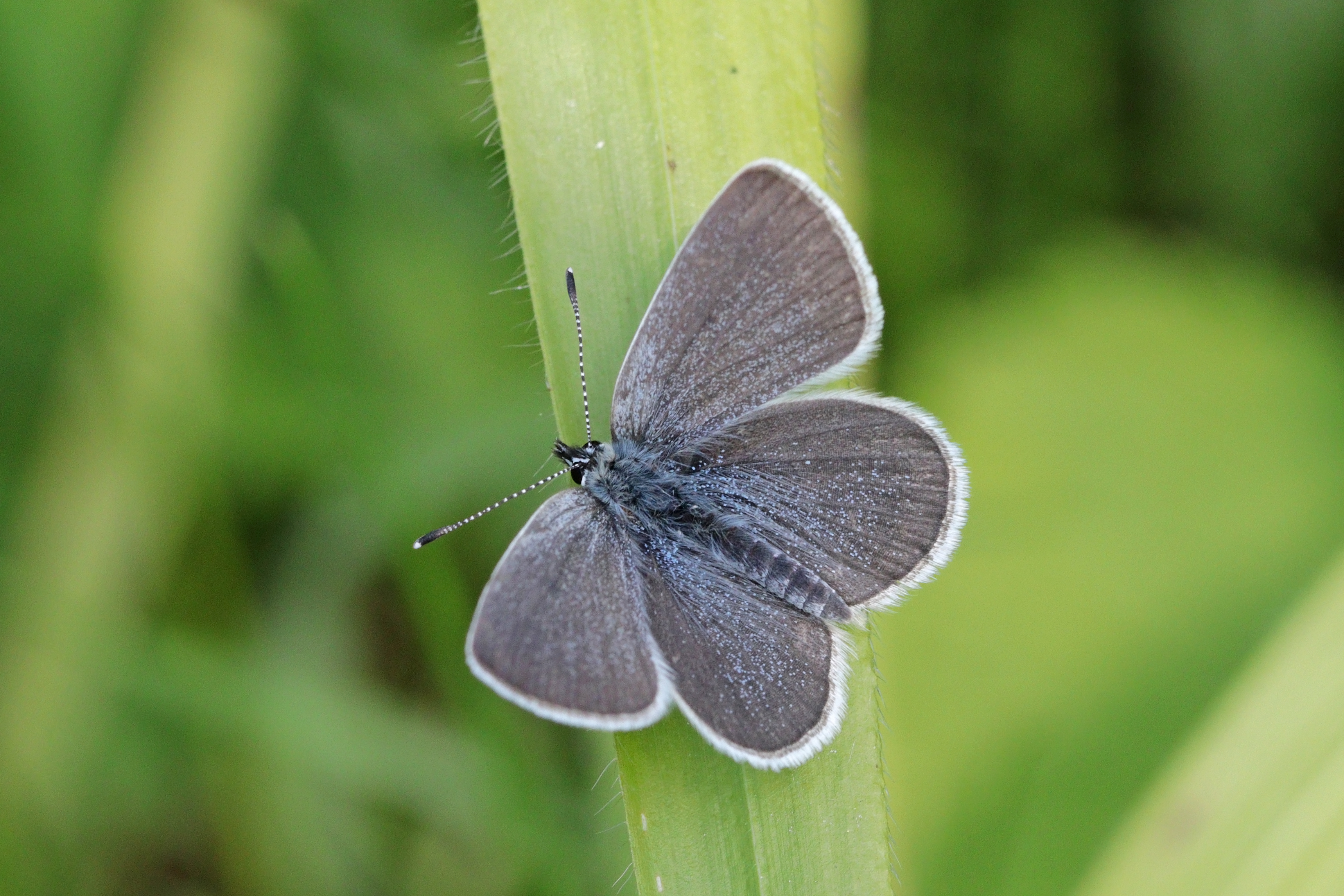
Small Blue
VUCupido minimus
Small Cudweed
ENLogfia minima

Small Emerald
ENHemistola chrysoprasaria

Small Flecked Mining Bee
ENAndrena coitana

Small Gorse Mining Bee
VUAndrena ovatula

Small Grass Emerald
VUChlorissa viridata
Small Guernsey Nomad Bee
VUNomada fuscicornis
Small Hairy Screw-moss
VUSyntrichia laevipila
Small Limestone Moss
ENSeligeria calcarea