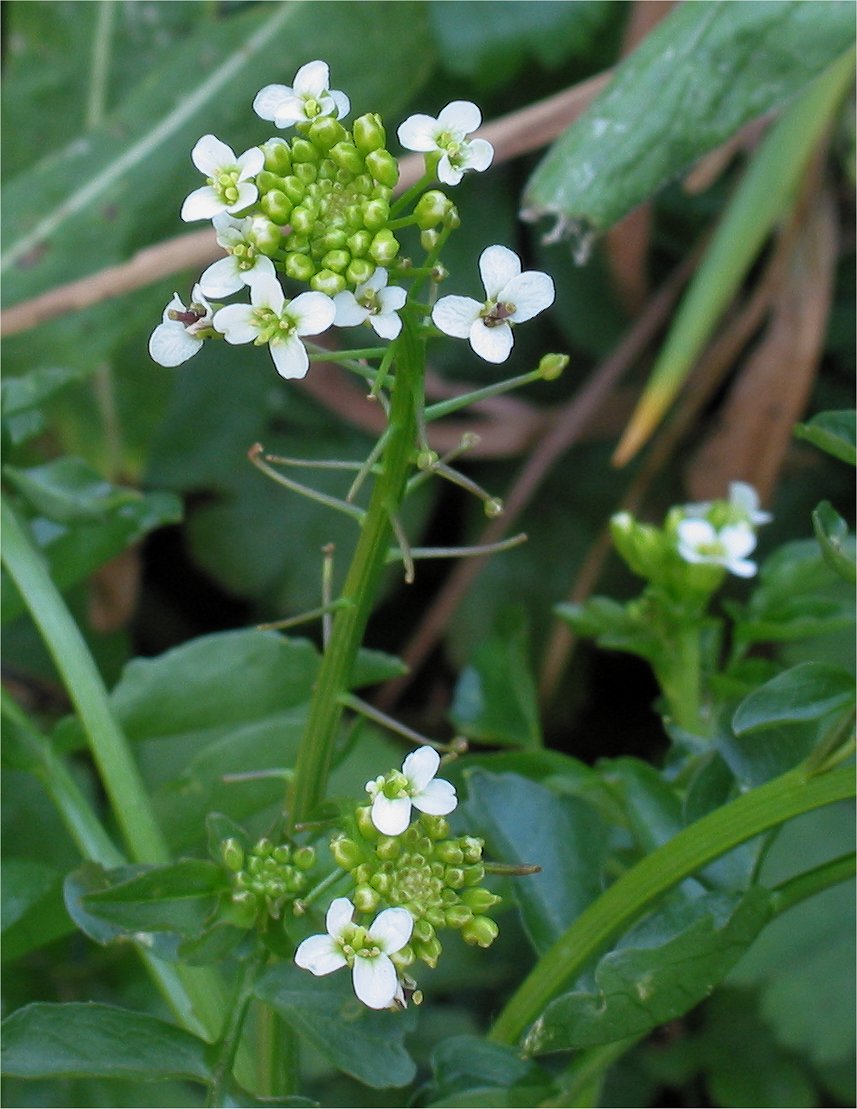
Narrow-fruited Water-cress
Nasturtium microphyllum
Photo: Wikimedia Commons (CC) via https://en.wikipedia.org/wiki/Nasturtium_microphyllum
Overview
A detailed profile for this species is sourced from the IUCN Red List of Threatened Species as assessments become available.
Small-leaved Watercress faces severe threats from habitat degradation and loss of suitable freshwater environments due to pollution, agricultural runoff, and urban development. Water quality deterioration and hydrological modifications to streams and wetlands have significantly reduced available habitat for this aquatic plant species.
Habitat
Small-leaved Watercress inhabits shallow freshwater environments including slow-flowing streams, springs, ditches, and marshy areas with clean, nutrient-rich water. The species typically grows in partially submerged conditions along stream margins and in wet meadows where water levels remain relatively stable.
Other threatened species in Brassicaceae


Frequently asked questions
Why is Narrow-fruited Water-cress classified as Critically Endangered?
Where does Narrow-fruited Water-cress live?
What are the main threats to Narrow-fruited Water-cress?
Get weekly conservation intelligence
One short digest a week of the most striking species and country data we ship, plus breaking conservation news paired with our database where it matters.
Free, no spam. One-click unsubscribe in every email.