Species Explorer
Browse and search species from the IUCN Red List and GBIF.
54,666 species
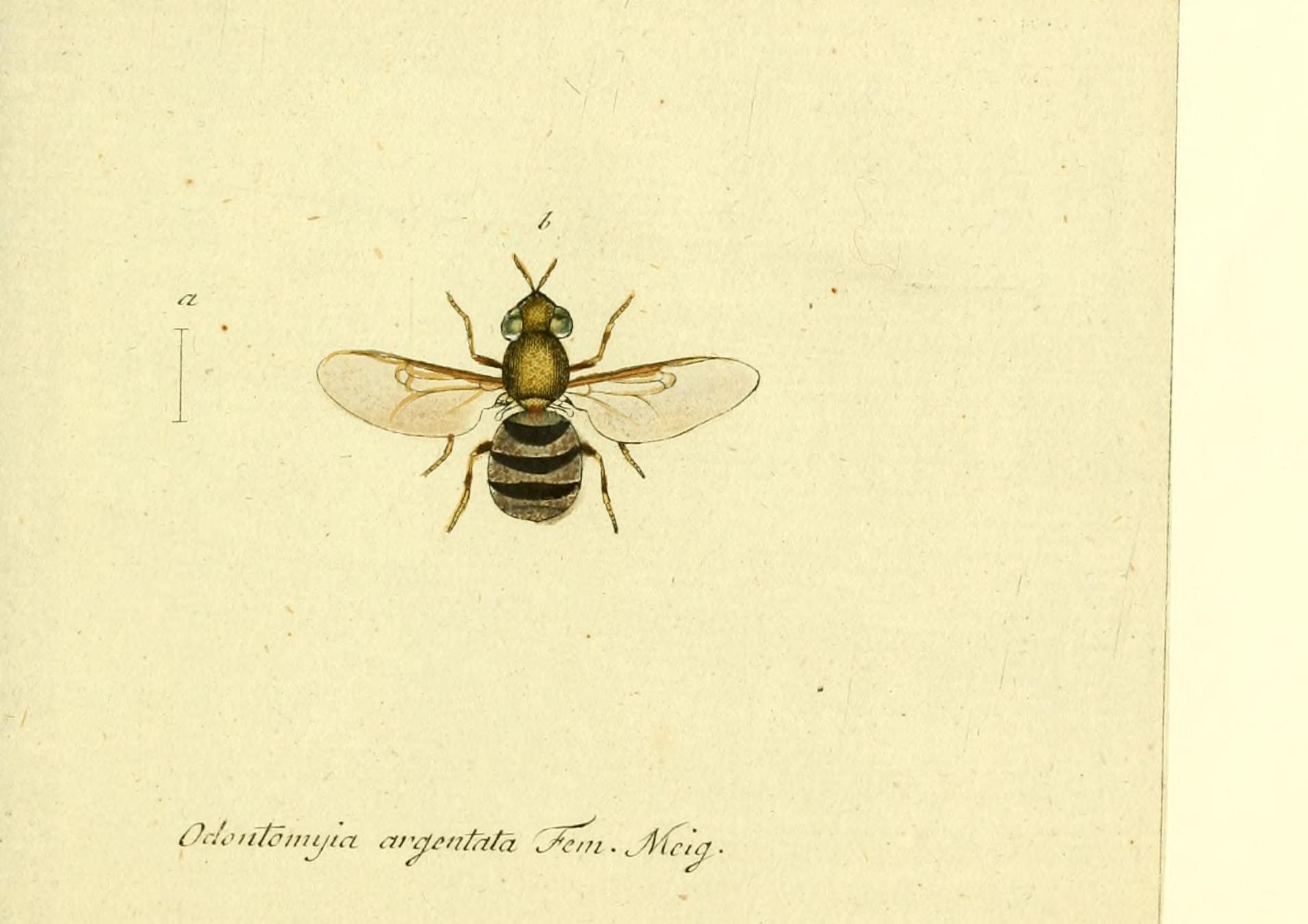
Silver Colonel
VUOdontomyia argentata

silver salmon
CRSalmo salar
Silver salmon face severe population declines due to habitat destruction from dam construction, river channelization, and urban development that blocks migration routes and degrades spawning grounds. Climate change is altering ocean temperatures and acidification levels, disrupting marine food webs and affecting survival rates during the oceanic phase of their lifecycle.
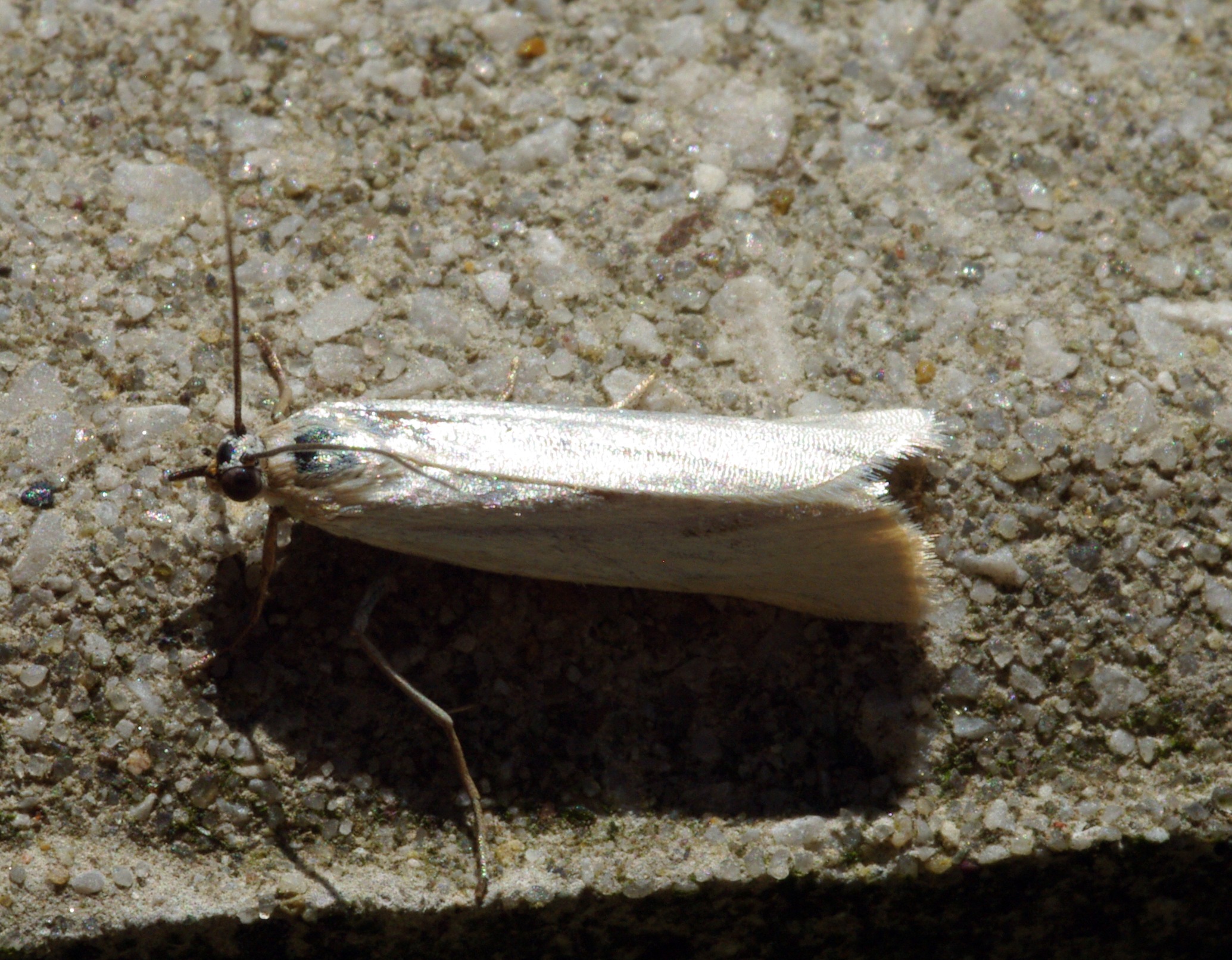
Silver Shade
ENEana argentana

silver thatch
ENCoccothrinax argentata

Silver-barred Sable
VUPyrausta cingulata

Silver-edged Knot-horn
VUPima boisduvaliella

Silver-washed Fritillary
ENArgynnis paphia
silverfläckad sorgfluga
VUAnthrax trifasciatus

Sinaloa hesper palm
VUBrahea aculeata
Singers keglehat
ENConocybe singeriana
sipperalg
VURhodospora sordida
Six-celled Moss-dot
ENBilimbia sabuletorum
sjökrimmerlav
CRRinodina fimbriata
Rinodina fimbriata faces severe threats from air pollution and acid rain, which directly damage its sensitive lichen thalli and disrupt the delicate chemical balance required for survival. Habitat loss through coastal development and climate change-induced alterations to its specialized maritime environment further threaten remaining populations.
Sjøpiggknopp
VUSparganium gramineum
sjuhörnig daggkåpa
VUAlchemilla heptagona
skäggvaxskivling
VUHygrophorus inocybiformis
skalgrusslemtråd
VUScinaia furcellata
skånsk klotterlav
CROpegrapha cesareensis
Opegrapha cesareensis faces severe threats from habitat loss due to urbanization and agricultural expansion in its limited range in southern Sweden. Air pollution and climate change further stress this sensitive lichen species, which requires specific environmental conditions to survive.
skånsk porina
CRPseudosagedia borreri
Skånsk porina faces severe threats from air pollution and acid rain, which degrade the specific bark chemistry required for this lichen's survival. Habitat loss through urbanization and intensive forestry practices in southern Sweden has eliminated many suitable host trees, while climate change alters the delicate moisture and temperature conditions this species requires.
skevmaskros
CRTaraxacum ruberulum
Taraxacum ruberulum faces severe threats from habitat destruction due to agricultural expansion and urban development in its limited range. Climate change poses additional risks through altered precipitation patterns and temperature shifts that affect its specialized alpine and subalpine habitat requirements.

Skimmerblomfluga
ENChrysogaster virescens
skimmersvampmal
ENPelecystola fraudulentella
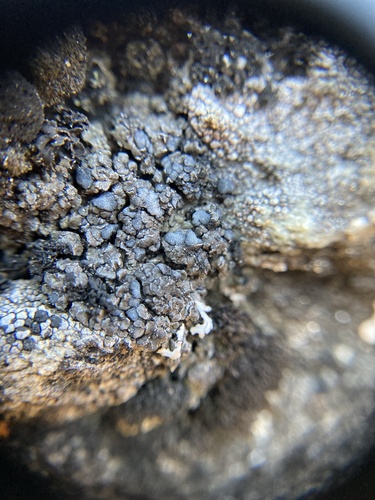
skjoldkalklav
CRToninia cinereovirens
Toninia cinereovirens faces severe threats from air pollution and acid deposition, which degrade the specific chemical conditions required for this lichen's survival. Habitat loss through urbanization and industrial development has eliminated many suitable substrates, while climate change alters the delicate moisture and temperature regimes this species depends upon.
skogslönnsvivel
VUBradybatus kellneri
sköldfibbla
CRHieracium parmiferum
Sköldfibbla faces severe threats from habitat loss due to agricultural intensification and urban development in its limited range. The species' highly specialized ecological requirements and small, fragmented populations make it extremely vulnerable to environmental changes and local extinctions.
Skønfodet rødblad
ENEntoloma porphyrogriseum
Skør kuglelav
CRSphaerophorus fragilis
Skør kuglelav faces severe threats from air pollution, particularly nitrogen deposition and sulfur compounds, which dramatically alter the chemistry of its substrate and surrounding environment. Climate change compounds these pressures by creating conditions that favor competing species and alter the delicate moisture regimes this sensitive lichen requires. Habitat fragmentation and loss of suitable old-growth forest stands further restrict available colonization sites.
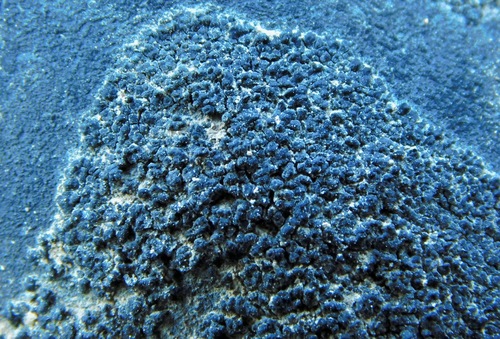
skorpeskjold
CRPeltula placodizans
Peltula placodizans faces severe threats from habitat degradation due to air pollution, acid rain, and climate change affecting the specific rock surfaces and bark substrates it requires. Urban development and industrial activities have significantly reduced suitable habitat, while changing precipitation patterns and temperature fluctuations disrupt the delicate moisture balance this lichen species needs for survival.

skorpticka
ENDichomitus squalens
skörthavsmandel
CRLaona pruinosa
The skörthavsmandel faces severe population declines due to habitat destruction from coastal development and pollution in its specialized marine environments. Climate change-induced ocean acidification and rising sea temperatures are degrading the delicate ecosystems this species depends on for survival. Industrial fishing practices and marine pollution have further reduced available habitat and food sources.
skoveldyngbagge
VUEuorodalus coenosus
skovledderkopp
ENAraeoncus crassiceps
skriftskärelav
ENSchismatomma graphidioides
skrovellavsknapp
ENPlectocarpon scrobiculatae
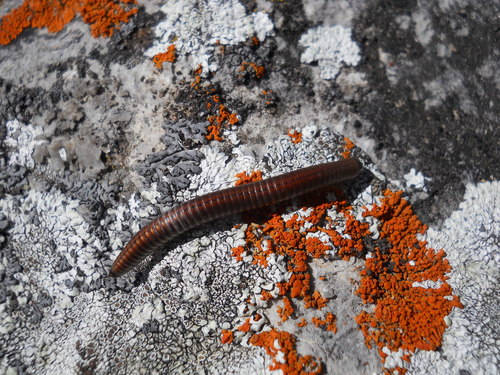
skuggkejsarfoting
CRMegaphyllum sjaelandicum
The primary threats to skuggkejsarfoting include habitat loss from forest fragmentation and intensive forestry practices in its limited Zealand range. Urban development pressure and climate-induced changes to forest floor conditions further threaten this specialized millipede species.
skuggspröding
VUPsathyrella jacobssonii
skyggespindelhinne
ENLeptosporomyces mundus

Skyros Wall Lizard
VUPodarcis gaigeae
skytfibbla
VUHieracium scytophyllum

slank gitje
ENCheilosia mutabilis
slank piprensare
VUStylatula elegans
slank slimslørsopp
VUCortinarius betulinus
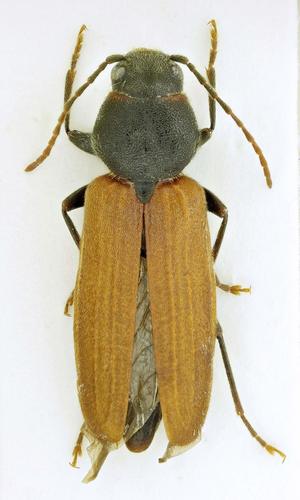
slät barkbock
CRAsemum tenuicorne
The slät barkbock faces severe threats from intensive forestry practices that remove dead wood from forests, eliminating essential breeding habitat. Forest fragmentation and changes in forest management further reduce the availability of suitable substrates needed for larval development.
slät fjällav
ENAgonimia allobata
slät hjorttryffel
VUElaphomyces maculatus
slät lövbarkskinnbagge
VUAneurus laevis
slätmaskros
CRTaraxacum lissocarpum
Taraxacum lissocarpum faces severe threats from habitat loss due to agricultural intensification and urban development in its specialized alpine and subalpine environments. The species' extremely limited distribution and small population sizes make it highly vulnerable to environmental changes and human disturbances. Climate change poses an additional critical threat as warming temperatures alter the delicate mountain ecosystems this dandelion depends upon.
slåtterrödhätting
VUEntoloma pratulense
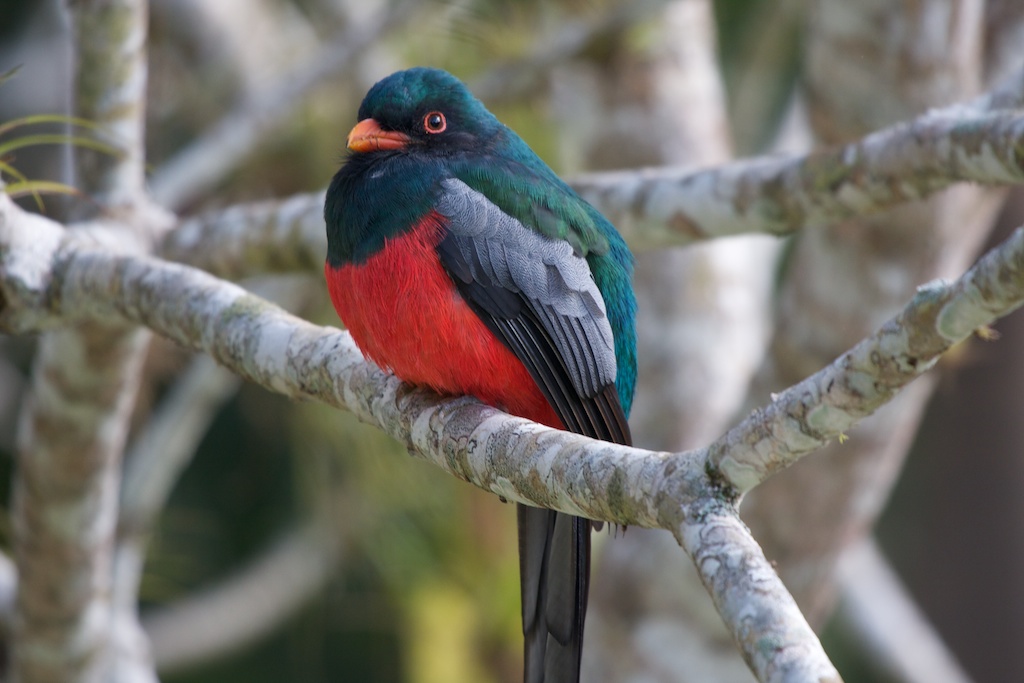
Slaty-tailed trogon
VUTrogon massena

Slaty-winged Foliage-gleaner
ENPhilydor fuscipenne