Species Explorer
Browse and search species from the IUCN Red List and GBIF.
54,666 species

Shining Crane's-bill
VUGeranium lucidum
Shining Hookeria
CRHookeria lucens
Shining Hookeria faces severe threats from habitat destruction due to deforestation, urbanization, and agricultural expansion in its limited range. Climate change poses additional risks through altered precipitation patterns and temperature shifts that affect the humid microenvironments this moss species requires. Pollution and habitat fragmentation further compromise the specialized ecological conditions necessary for its survival.
Shiny Cinnamon Polypore
VUColtricia cinnamomea
Shiny Dufourea
CRDufourea minuta
Shiny Dufourea faces severe threats from habitat loss due to urban development and agricultural expansion that destroys suitable nesting sites in sandy soils. The species' specialized ecological requirements and extremely limited distribution make it highly vulnerable to environmental changes and habitat fragmentation.

Shiny-vented Sharp-tail Bee
VUCoelioxys inermis

Shoehorn Oyster
ENHohenbuehelia petaloides
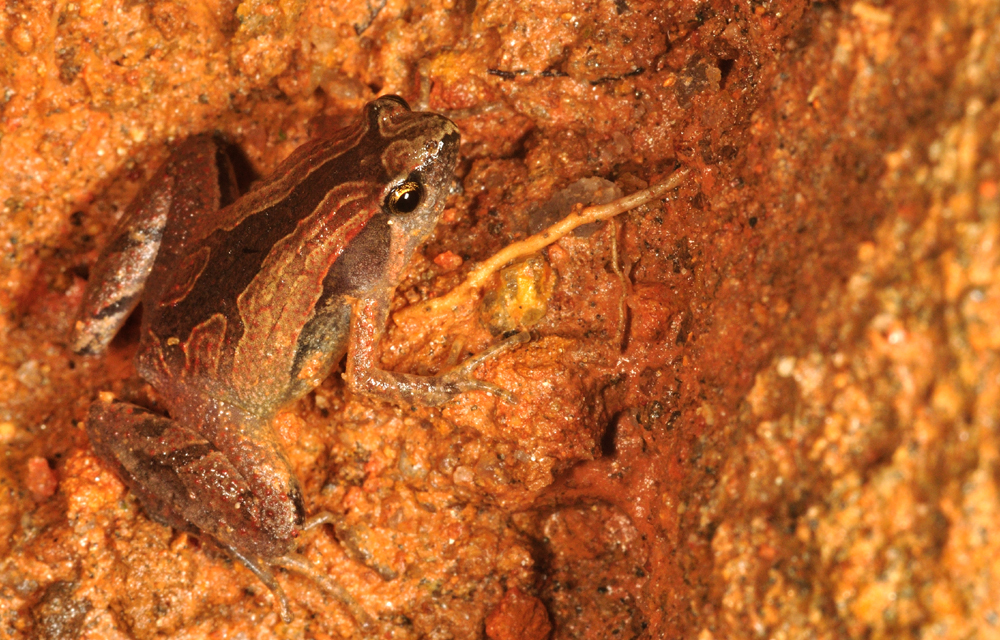
Sholiga Narrow-mouthed Frog
ENMicrohyla sholigari

Shore Rush
CRJuncus marginatus
Shore Rush faces severe threats from coastal development, habitat destruction, and sea level rise affecting its specialized wetland habitats. Urban expansion and agricultural conversion have significantly reduced available habitat, while climate change intensifies saltwater intrusion and alters hydrological patterns critical for this species' survival.

Shore Sedge
CRCarex limosa
Shore Sedge faces severe threats from habitat loss due to wetland drainage, peat extraction, and agricultural conversion of its specialized bog and fen habitats. Climate change poses additional risks through altered hydrology and temperature regimes that disrupt the delicate water balance required for bog ecosystems. The species' restricted distribution and specific habitat requirements make remaining populations highly vulnerable to local extinctions.

short-anther cottongrass
VUEriophorum brachyantherum

Short-barred Groundling, Barred Groundling
ENCaryocolum blandella

Short-barred Yellow Conch
VUAethes dilucidana
Short-beaked Aloe-moss
VUAloina brevirostris
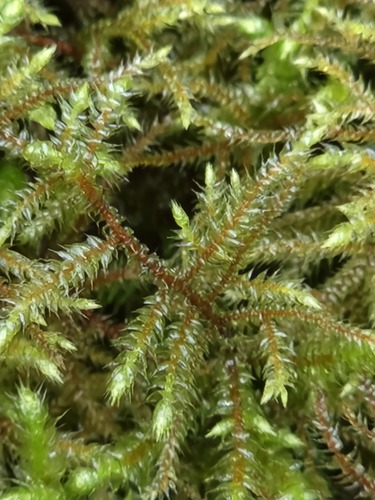
Short-beaked Wood-moss
CRLoeskeobryum brevirostre
Short-beaked Wood-moss faces severe threats from habitat destruction and fragmentation of its specialized forest environments. Climate change poses additional risks through altered moisture regimes and temperature patterns that affect this moisture-dependent bryophyte. The species' limited distribution and specific ecological requirements make it particularly vulnerable to environmental changes.

Short-eared Owl
CRAsio flammeus
Short-eared Owls are declining primarily due to widespread habitat loss from agricultural intensification and grassland conversion, which eliminates the open grasslands and prairies they depend on for hunting small mammals. Climate change is altering prey availability and breeding success, while collisions with vehicles and wind turbines cause direct mortality across their range.

Short-haired Humble-bee
VUBombus subterraneus

Short-haired Leafwalker
ENChalcosyrphus piger
Short-horned Furrow Bee
VULasioglossum brevicorne

Short-pedicelled Rose
CRRosa dumalis
The Short-pedicelled Rose faces severe threats from habitat fragmentation and loss due to agricultural expansion, urban development, and changes in traditional land management practices. Climate change is altering the species' preferred growing conditions, while invasive plant species compete for resources in its native range. Conservation status may vary by region or assessment authority.
Short-spined Nomad Bee
CRNomada guttulata
The Short-spined Nomad Bee faces severe threats from habitat destruction caused by agricultural intensification and urban development, which eliminates the diverse plant communities and nesting sites essential for both the species and its host bees. The decline of host bee populations poses an additional critical threat, as this cleptoparasitic species cannot survive without suitable hosts for reproduction. Climate change may disrupt the precise timing required between the nomad bee's reproductive cycle and its host species' nesting activities.

Short-spored Earthtongue
VUTrichoglossum walteri
Shortface Lanx
ENFisherola nuttallii
Shortfin Minidartfish
VUAioliops brachypterus

Shortfin Sand Stargazer
VUPlatygillellus rubellulus
Shortjaw mudsucker
VUGillichthys seta
Shortleaf sundew
CRDrosera brevifolia
Shortleaf sundew faces severe threats from habitat loss due to wetland drainage, agricultural conversion, and urban development across its range. The species' specialized carnivorous ecology and dependence on specific moisture and nutrient conditions make it particularly vulnerable to hydrological changes and habitat fragmentation.
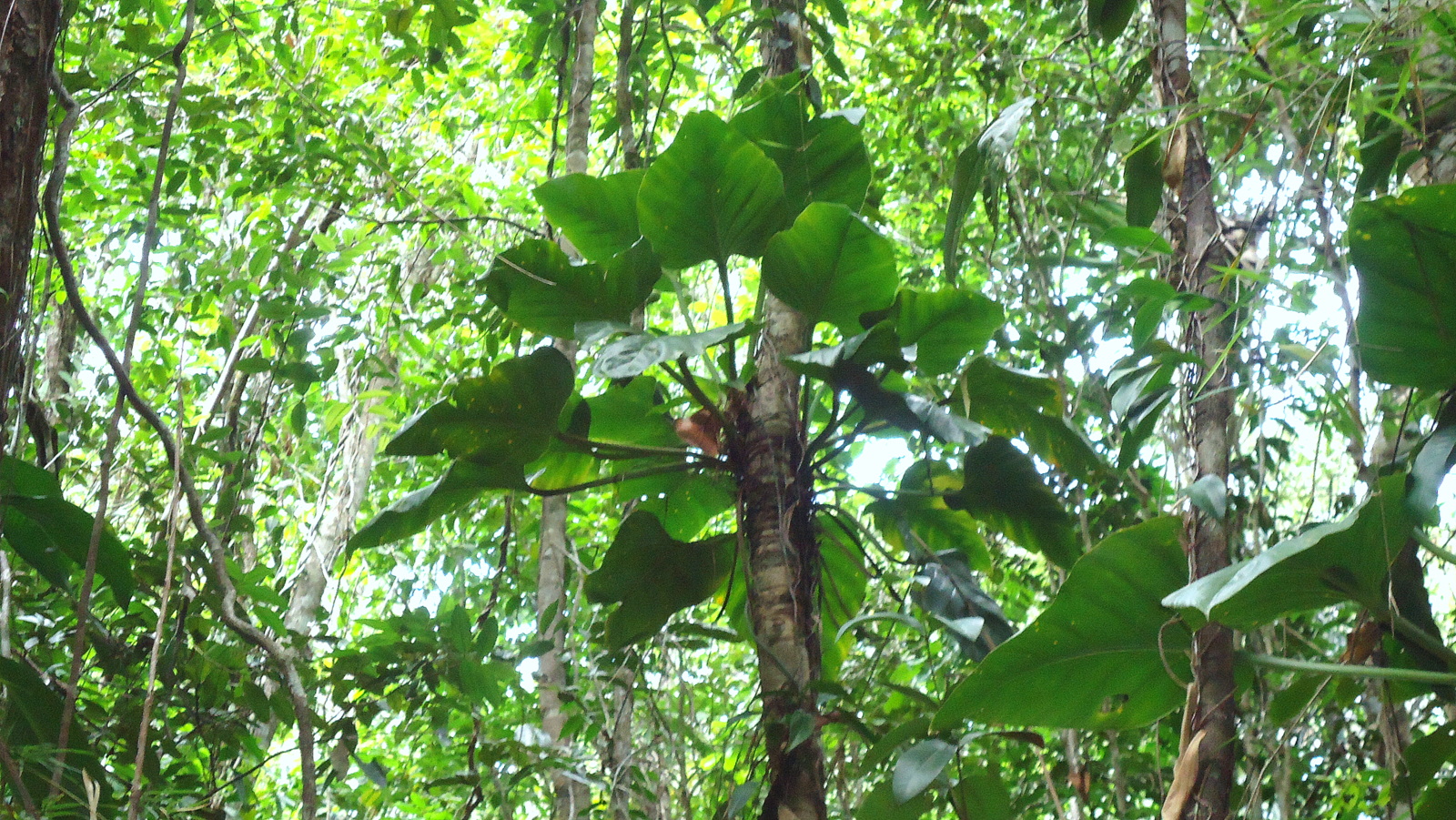
Shortstem Philodendron
CRPhilodendron fragrantissimum
Shortstem Philodendron faces severe threats from rapid deforestation and habitat conversion throughout its native range in Ecuador's cloud forests. The species' extremely limited distribution makes it particularly vulnerable to localized threats, while climate change poses additional risks by altering the specific temperature and humidity conditions required for its survival.

Shovelnose catfish
VUSorubimichthys planiceps
Showy Tonguefern
ENElaphoglossum decoratum

Shrill carder bee
ENBombus sylvarum

siamesisk tvillingdystermal
ENMonochroa ferrea
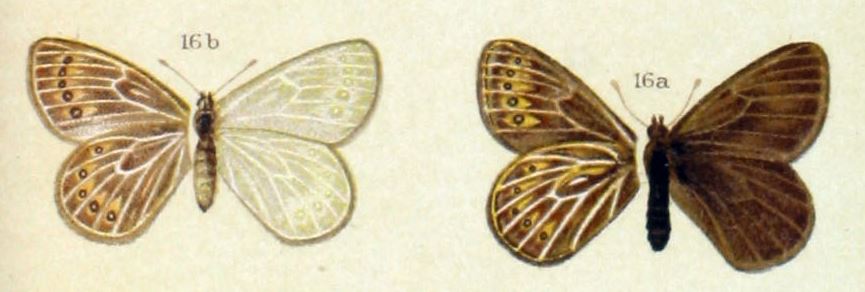
Siberian Brown
CRCoenonympha phryne
The Siberian Brown butterfly faces severe population declines due to habitat loss from agricultural expansion and urban development across its limited range in northern Eurasia. Climate change poses additional threats by altering the delicate temperature and moisture conditions required for its grassland habitats and host plants. The species' restricted distribution and specialized ecological requirements make it particularly vulnerable to environmental changes.
sibirisk körvelrova
VUChaerophyllum prescottii
sibirsepter
CRMannia sibirica
Mannia sibirica faces severe threats from habitat destruction due to deforestation, mining activities, and urban development across its limited range. Climate change poses additional risks by altering the specific moisture and temperature conditions required for this bryophyte's survival, while pollution from industrial activities degrades the pristine environments it depends upon.
sibling yoldia
VUYoldiella nana
Sickle-jawed Blood Bee
ENSphecodes puncticeps

Sicklefin Smoothhound
VUMustelus lunulatus
Side-fruited Crisp-moss
VUPleurochaete squarrosa
sidendyngbagge
ENPubinus tomentosus
sidesaddle bristle fern
VUDidymoglossum pusillum
Sideshoot Bonnet
ENMycena latifolia
Sierra mariano
VUDoraops zuloagai
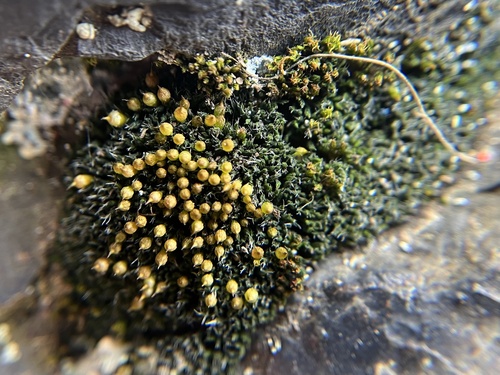
Sieve-tooth Moss
CRCoscinodon cribrosus
Sieve-tooth Moss faces severe threats from habitat destruction and degradation of its specialized rocky environments. Climate change and air pollution further compromise the delicate conditions required for this species' survival, while its extremely limited distribution makes it highly vulnerable to local extinctions.
sigdspydedderkopp
VUSilometopus reussi

sikelstreckad näbbmal
CRSophronia sicariellus
Sophronia sicariellus faces severe population declines due to habitat loss from agricultural intensification and urban development across its European range. Climate change is altering the distribution and phenology of its host plants, disrupting critical breeding cycles and larval development.

siljeplattmal
ENAgonopterix selini

Silk-Cotton Purslane
ENPortulaca halimoides
Silky Fibrecap
ENInocybe fibrosa

Silky Shrew Opossum
VUCaenolestes fuliginosus
Silphid beetle
CRSilpha carinata
Silpha carinata faces severe population declines due to habitat destruction from agricultural expansion and urbanization, which eliminates the decaying organic matter and carrion essential for its survival. Climate change further threatens this species by altering the decomposition processes and seasonal patterns that govern its reproductive cycles and food availability.