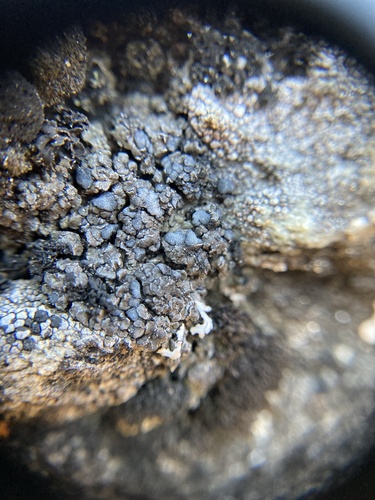
bruised lichen
Toninia cinereovirens
Photo: (c) Annie Evankow, some rights reserved (CC BY), uploaded by Annie Evankow
Overview
A detailed profile for this species is sourced from the IUCN Red List of Threatened Species as assessments become available.
Toninia cinereovirens faces severe threats from air pollution and acid deposition, which degrade the specific chemical conditions required for this lichen's survival. Habitat loss through urbanization and industrial development has eliminated many suitable substrates, while climate change alters the delicate moisture and temperature regimes this species depends upon.
Habitat
This crustose lichen grows on calcareous rocks, concrete walls, and limestone substrates in urban and semi-urban environments. It typically occurs in areas with specific pH conditions and requires particular moisture regimes found in temperate regions.
Other threatened species in Ramalinaceae
Frequently asked questions
Why is bruised lichen classified as Critically Endangered?
Where does bruised lichen live?
What are the main threats to bruised lichen?
Get weekly conservation intelligence
One short digest a week of the most striking species and country data we ship, plus breaking conservation news paired with our database where it matters.
Free, no spam. One-click unsubscribe in every email.