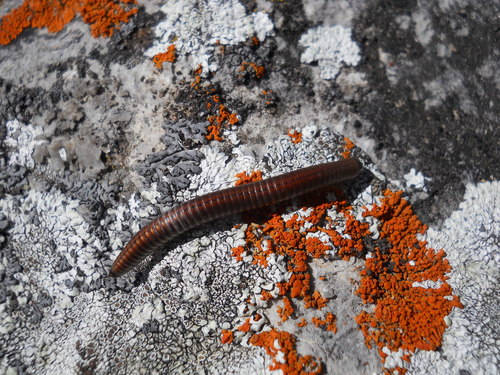
skuggkejsarfoting
Megaphyllum sjaelandicum
Photo: (c) Pavel Nefediev, some rights reserved (CC BY-NC), uploaded by Pavel Nefediev
Overview
Megaphyllum sjaelandicum, commonly known as skuggkejsarfoting, is a critically endangered millipede species endemic to Denmark, specifically found on the island of Zealand (Sjælland). This diplopod belongs to the family Julidae and represents one of the most threatened invertebrate species in Northern Europe. The species inhabits deciduous forest floors, particularly in beech and oak woodlands where it plays a role in decomposition processes by feeding on decaying organic matter.
Its extremely limited distribution and specialized habitat requirements make it highly vulnerable to environmental changes. The primary threats to M. sjaelandicum include habitat loss due to forest fragmentation, intensive forestry practices, and urban development pressure in the densely populated Zealand region.
Climate change may also impact the species through alterations to forest floor moisture levels and temperature regimes that are critical for its survival. The species' cryptic nature and small size have historically made population monitoring challenging, contributing to the unknown population trend status. Conservation efforts focus on protecting remaining forest habitats and implementing sustainable forestry practices in areas where the species occurs.
Research initiatives aim to better understand the species' ecological requirements and distribution patterns to inform targeted conservation strategies. Habitat restoration projects in degraded forest areas may provide opportunities for population recovery, though the effectiveness of such measures remains to be evaluated given the limited knowledge of the species' specific needs.
The primary threats to skuggkejsarfoting include habitat loss from forest fragmentation and intensive forestry practices in its limited Zealand range. Urban development pressure and climate-induced changes to forest floor conditions further threaten this specialized millipede species.
Habitat
Skuggkejsarfoting inhabits the forest floor of deciduous woodlands, particularly beech and oak forests on the Danish island of Zealand. The species requires specific microhabitat conditions including adequate moisture levels and organic matter for feeding and shelter.
Threatened in Denmark


Frequently asked questions
Why is skuggkejsarfoting classified as Critically Endangered?
Where does skuggkejsarfoting live?
What are the main threats to skuggkejsarfoting?
Get weekly conservation intelligence
One short digest a week of the most striking species and country data we ship, plus breaking conservation news paired with our database where it matters.
Free, no spam. One-click unsubscribe in every email.