Ruda
Plethadenia cubensis
Overview
A detailed profile for this species is sourced from the IUCN Red List of Threatened Species as assessments become available.
Plethadenia cubensis faces severe pressure from habitat destruction as Cuba's remaining natural forests are cleared for agriculture and urban development. The species' limited distribution makes it particularly vulnerable to localized environmental changes, while invasive plant species alter the understory composition of its forest habitat. Climate change poses an additional threat through altered precipitation patterns that could affect the humid microhabitats this endemic species requires.
Habitat
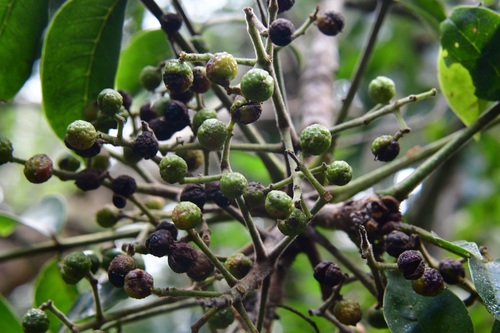
This Cuban endemic inhabits humid montane forests and shaded woodland understories, typically found in areas with consistent moisture and dense canopy cover. The species shows preference for undisturbed forest environments with rich organic soil layers and stable microclimatic conditions.
Other threatened species in Rutaceae
Frequently asked questions
Why is Ruda classified as Endangered?
Where does Ruda live?
What are the main threats to Ruda?
Get weekly conservation intelligence
One short digest a week of the most striking species and country data we ship, plus breaking conservation news paired with our database where it matters.
Free, no spam. One-click unsubscribe in every email.