
Rosette Pixie-cup Lichen
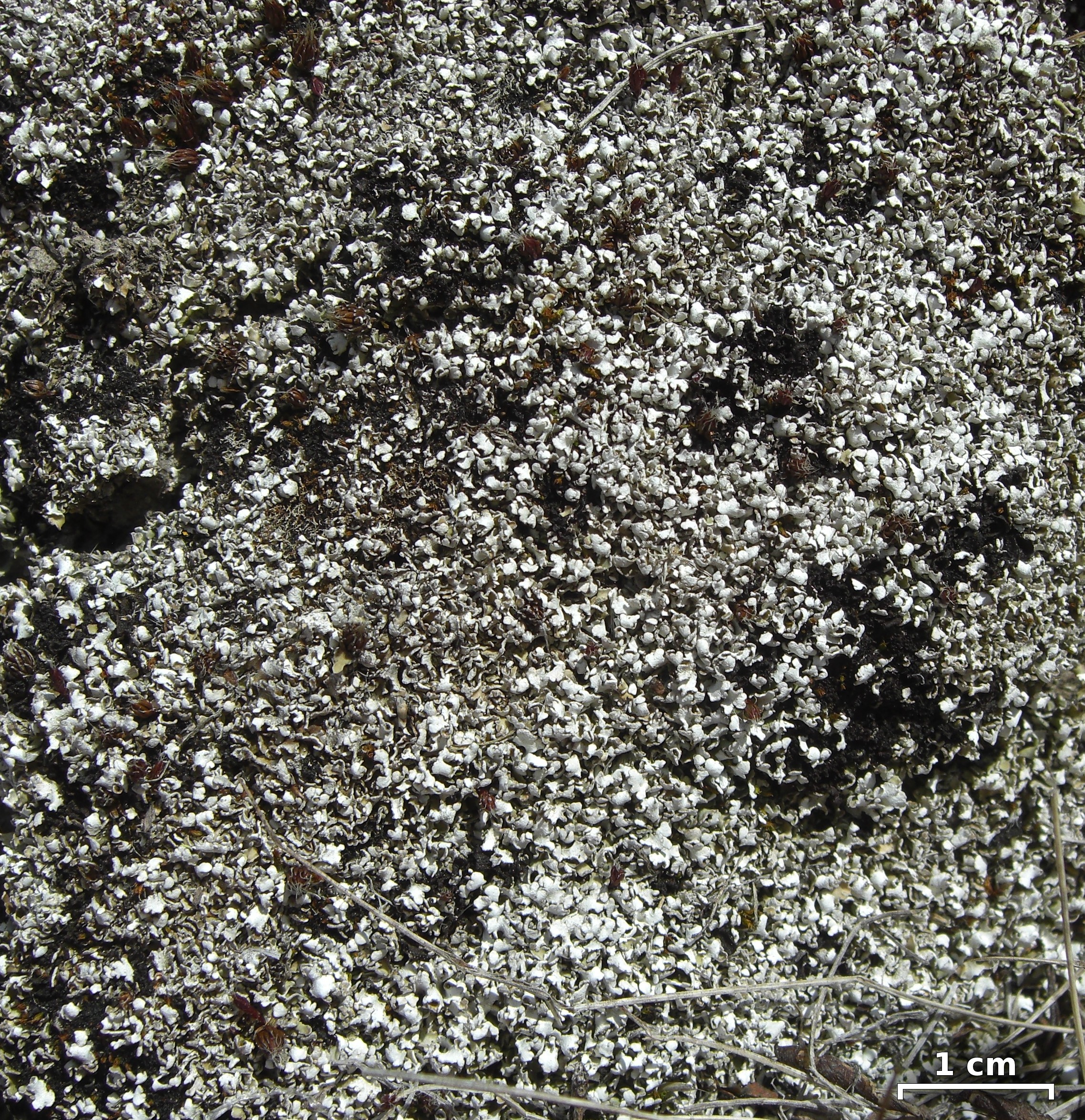
Cladonia pocillum
Photo: Wikimedia Commons (CC) via https://en.wikipedia.org/wiki/Cladonia_pocillum
Overview
Rosette Pixie-cup Lichen (Cladonia pocillum)
The Rosette Pixie-cup Lichen is a small, cup-shaped lichen species characterized by its distinctive funnel-like structures called podetia that rise from a basal squamulose thallus. These grayish-green to brownish cups typically measure 2-8mm in height and often display a scaly, granular surface texture. As a composite organism formed by the symbiotic relationship between fungi and algae, this lichen plays a crucial role in nutrient cycling and soil stabilization in terrestrial ecosystems.
This species demonstrates remarkable geographic distribution, occurring across six continents from Arctic regions including Greenland and Svalbard to temperate zones in Europe, North America, and Asia, extending to parts of South America, Africa, and Australia. It typically inhabits acidic soils, rotting wood, and rock surfaces in open habitats such as heathlands, moorlands, and forest clearings.
Despite its extensive range, Cladonia pocillum is classified as Critically Endangered, though specific threat assessments remain incomplete. The species faces particular vulnerability due to its sensitivity to air pollution, habitat fragmentation from urban development, and climate change impacts on its preferred acidic substrates. Agricultural intensification and changes in land management practices have also contributed to habitat loss in many regions.
Current conservation efforts vary by country, with some European nations including the species in biodiversity monitoring programs. However, comprehensive conservation strategies remain limited due to insufficient population data and taxonomic uncertainties within the Cladonia genus.
The species' outlook remains uncertain, with population trends unknown across most of its range, highlighting the urgent need for systematic surveys and targeted conservation planning.
The Rosette Pixie-cup Lichen faces severe decline primarily due to habitat loss from agricultural expansion and urban development in its limited range. Air pollution and climate change further threaten this sensitive species, which requires very specific environmental conditions to survive.
Habitat
Other threatened species in Cladoniaceae


Threatened in Åland Islands


Frequently asked questions
Why is Rosette Pixie-cup Lichen classified as Critically Endangered?
Where does Rosette Pixie-cup Lichen live?
What are the main threats to Rosette Pixie-cup Lichen?
Get weekly conservation intelligence
One short digest a week of the most striking species and country data we ship, plus breaking conservation news paired with our database where it matters.
Free, no spam. One-click unsubscribe in every email.