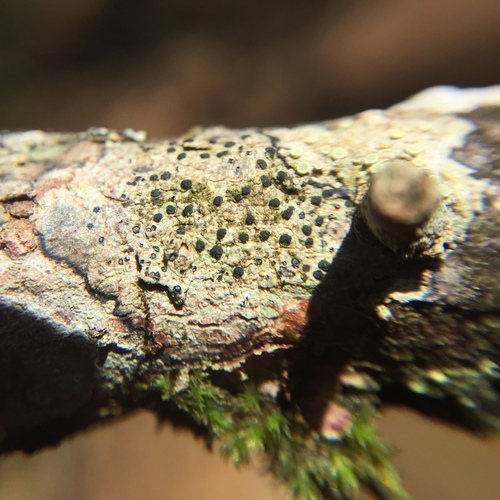
Lecidea roseotincta
Photo: Photo: (c) Tomás Curtis, some rights reserved (CC BY-NC), uploaded by Tomás Curtis
Overview
A detailed profile for this species is sourced from the IUCN Red List of Threatened Species as assessments become available.
Rosskivlav faces severe threats from climate change and air pollution, which degrade the pristine Arctic and alpine environments it requires. Its extremely limited distribution and specialized habitat requirements make it highly vulnerable to environmental changes, with small population sizes offering little resilience against disturbances.
Habitat
Arctic and alpine environments on siliceous rocks and soil, typically in exposed locations at high elevations or northern latitudes. Requires pristine, unpolluted conditions with specific microclimate requirements for moisture and temperature.
Other threatened species in Lecideaceae
Frequently asked questions
Why is Lecidea roseotincta classified as Critically Endangered?
Where does Lecidea roseotincta live?
What are the main threats to Lecidea roseotincta?
Get weekly conservation intelligence
One short digest a week of the most striking species and country data we ship, plus breaking conservation news paired with our database where it matters.
Free, no spam. One-click unsubscribe in every email.