
Royal Tern
Thalasseus maximus
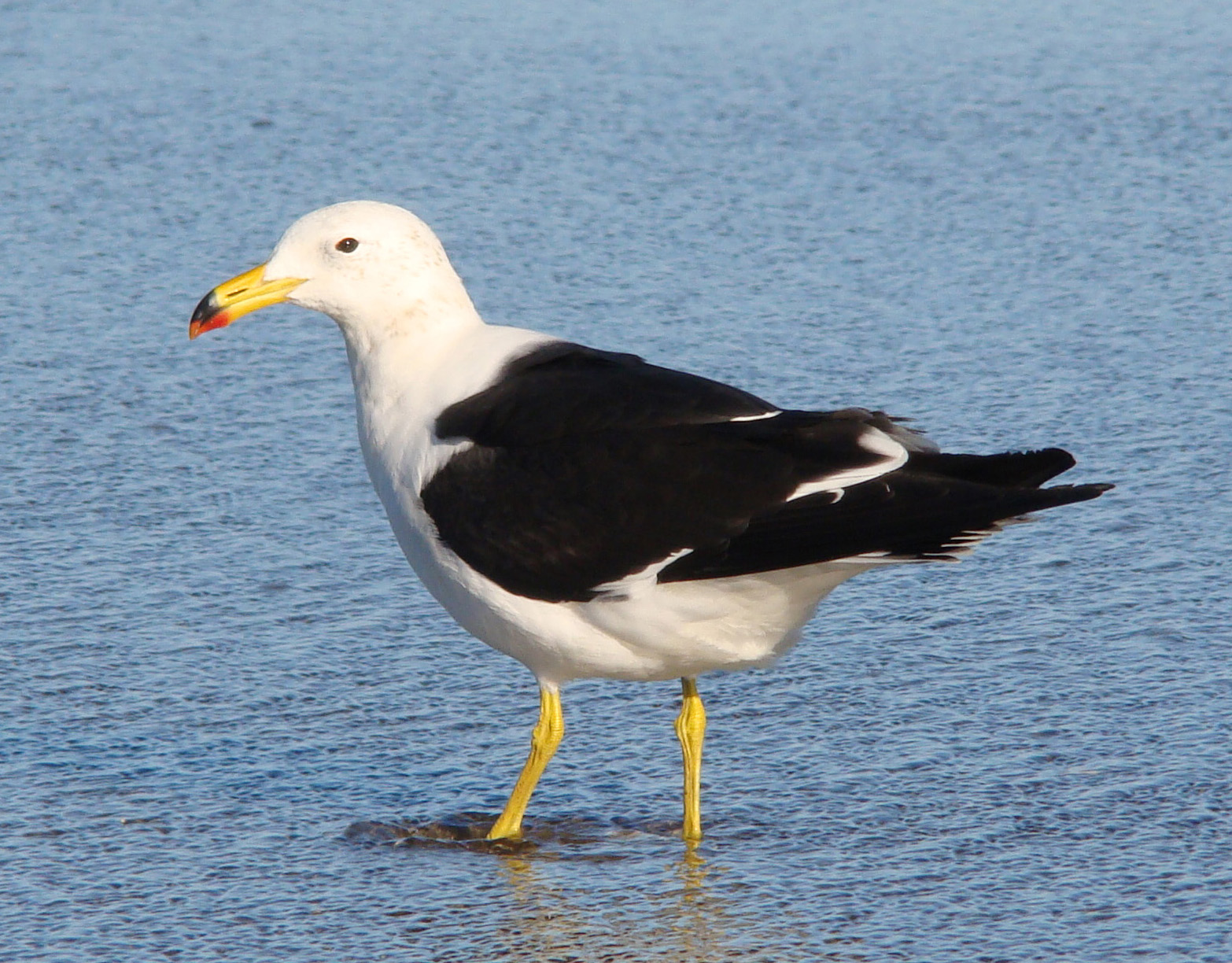
Photo: Wikimedia Commons (CC) via https://en.wikipedia.org/wiki/Royal_tern
Overview
A detailed profile for this species is sourced from the IUCN Red List of Threatened Species as assessments become available.
Royal Terns face severe threats from coastal development and human disturbance at their critical nesting colonies, where they breed in dense aggregations on sandy beaches and barrier islands. Climate change-induced sea level rise and increased storm intensity threaten to inundate their low-lying nesting sites, while pollution and overfishing reduce their marine prey availability. Conservation status may vary by region or assessment authority.
Habitat
Coastal marine environments including sandy beaches, barrier islands, salt marshes, and estuaries for nesting, with foraging occurring in nearshore waters, bays, and lagoons. Nests colonially on isolated sandy or shell beaches, often on small islands free from terrestrial predators.
Other threatened species in Laridae


Frequently asked questions
Why is Royal Tern classified as Critically Endangered?
Where does Royal Tern live?
What are the main threats to Royal Tern?
Get weekly conservation intelligence
One short digest a week of the most striking species and country data we ship, plus breaking conservation news paired with our database where it matters.
Free, no spam. One-click unsubscribe in every email.