Species Explorer
Browse and search species from the IUCN Red List and GBIF.
54,666 species
pulverädellav
VUMegalaria pulverea
punatunkkaseitikki
VUCortinarius hinnuleoarmillatus

Puntik
VUMadhuca betis
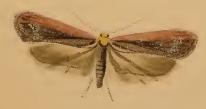
Purple Carrot-seed Moth
ENDepressaria depressana

Purple Cockle
ENAgrostemma githago

Purple Emperor
CRApatura iris
The Purple Emperor faces severe population declines across its range due to widespread habitat loss and fragmentation of mature deciduous woodlands. Climate change is altering the distribution and phenology of its host plants, while pollution and human disturbance in remaining forest fragments continue to degrade habitat quality.

Purple Frog
ENNasikabatrachus sahyadrensis

Purple Gentian
CRGentiana purpurea
Purple Gentian faces severe population declines due to habitat loss from agricultural expansion and tourism development in mountain regions. Climate change poses an additional critical threat as warming temperatures force this alpine specialist to retreat to increasingly limited high-elevation refugia. Over-collection for traditional medicine and ornamental purposes has further reduced wild populations across its range.

Purple Milk-vetch
CRAstragalus danicus
Purple Milk-vetch faces severe population declines due to habitat loss from agricultural intensification and urban development across its range. The species is particularly vulnerable to changes in traditional grazing practices and grassland management, which have historically maintained the open, nutrient-poor conditions it requires. Climate change and invasive species further threaten remaining populations in fragmented habitats.

Purple Sun Star
VUSolaster endeca

Purple-fringed Liverwort
VURicciocarpos natans

Purple-margined Liverwort
VUReboulia hemisphaerica
Purple-margined Liverwort faces significant decline due to habitat loss from urban development, agricultural expansion, and infrastructure projects that destroy the specific microhabitats it requires. Climate change and altered precipitation patterns further threaten this moisture-dependent species by disrupting the humid conditions essential for its survival.
Purple-stalked Pocket-moss
CRFissidens osmundoides
Purple-stalked Pocket-moss faces severe threats from habitat destruction and degradation of its specialized wetland environments. The species' extremely limited distribution and specific ecological requirements make it highly vulnerable to environmental changes and human disturbances. Climate change and altered hydrology patterns further threaten the delicate moisture conditions essential for this moss's survival.
Purplestem Shoestring Fern
CRRadiovittaria remota
The Purplestem Shoestring Fern faces severe threats from habitat destruction and degradation of its specialized epiphytic environments. Its extremely limited distribution and small population size make it highly vulnerable to environmental changes and human disturbances. The species' dependence on specific microclimate conditions in old-growth forests leaves it particularly susceptible to logging and forest fragmentation.

Purplish-mantled Tanager
VUIridosornis porphyrocephalus
purpurmossmal
ENBryotropha purpurella
pygmeedderkopp
VUTapinocyboides pygmaeus
Pygmy Elm Bark Beetle
VUScolytus pygmaeus
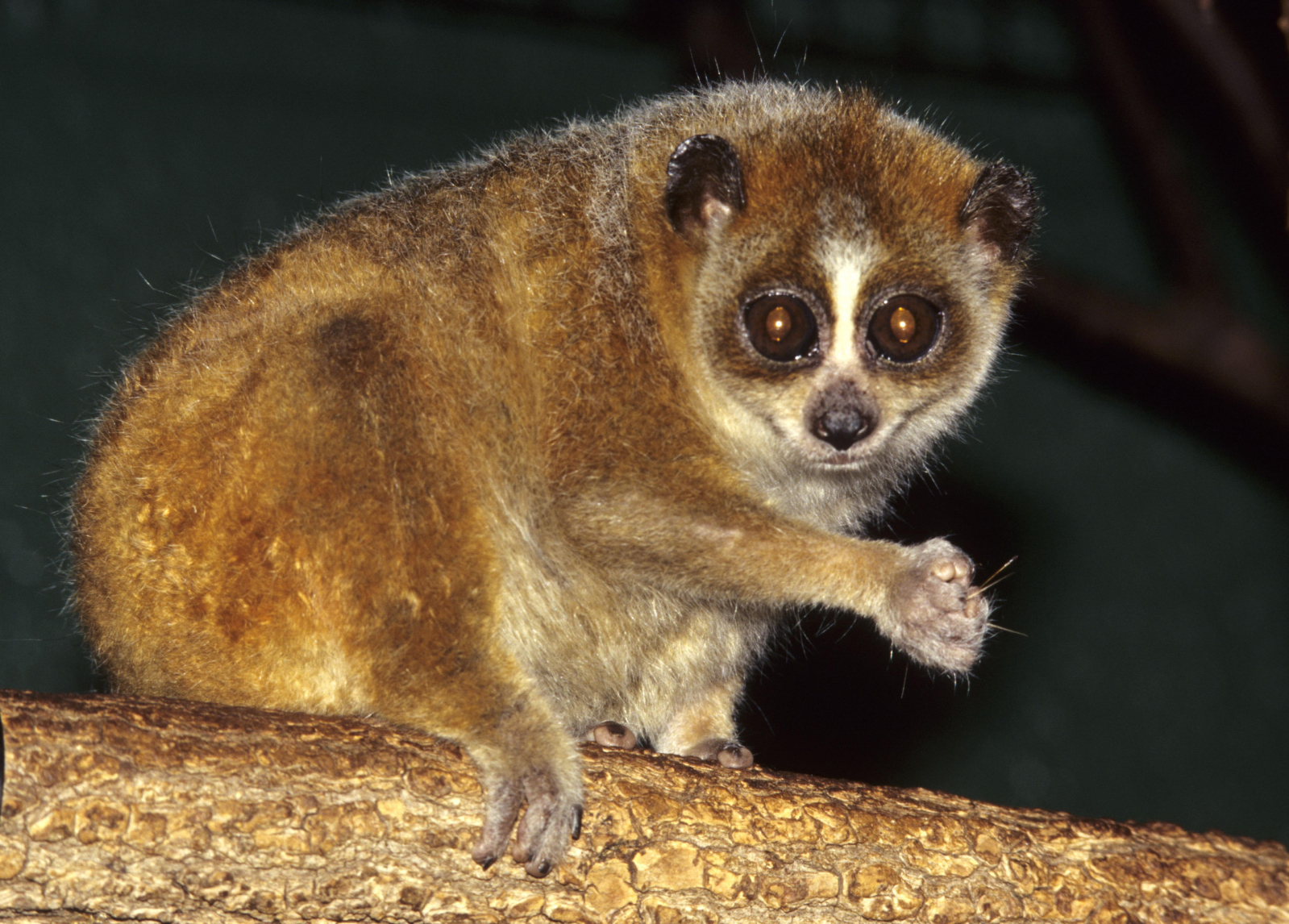
Pygmy Loris
ENNycticebus pygmaeus
Pylaes' Sphagnum
ENSphagnum pylaesii
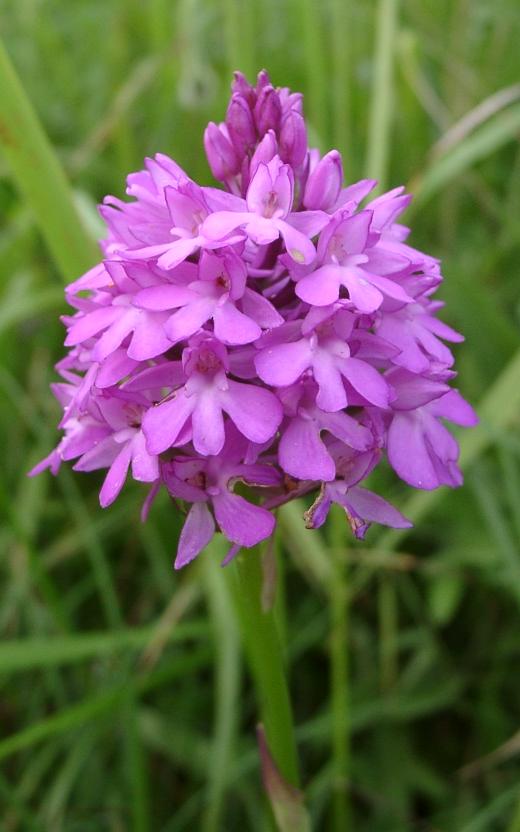
Pyramidal Orchid
VUAnacamptis pyramidalis
pyramidmossa
CRPyramidula tetragona
Pyramidula tetragona faces severe population declines due to habitat destruction from agricultural expansion and urban development across its range. The species' specialized habitat requirements and limited dispersal ability make it particularly vulnerable to fragmentation, while climate change is altering the moisture and temperature conditions essential for its survival.

Pyrauste des origans
VUPyrausta porphyralis

Pyrauste olivacée commune
VUPyrausta aerealis
pyttemaskros
CRTaraxacum microlobum
Pyttemaskros faces severe threats from habitat destruction due to urban development and agricultural expansion in its limited range. Climate change poses additional risks through altered precipitation patterns and temperature shifts that affect its specialized alpine and subalpine habitat requirements. The species' extremely restricted distribution makes it particularly vulnerable to local extinctions.
Quadrate Paperbubble
CRLaona quadrata
The Quadrate Paperbubble faces severe population declines due to habitat destruction from deforestation and agricultural expansion across its limited range. Climate change is altering the specific microhabitat conditions this species requires, while invasive species compete for resources and disrupt local ecosystems.

Quartz Webcap
VUCortinarius quarciticus

queen crab
VUCarpilius corallinus

Queen of Spain Fritillary
VUIssoria lathonia
The Queen of Spain Fritillary faces significant population declines across its range due to habitat loss and degradation from agricultural intensification and urban development. Climate change is altering the distribution and phenology of both the butterfly and its host plants, while changes in land management practices have reduced the availability of suitable breeding habitats.

Queen triggerfish
ENBalistes vetula
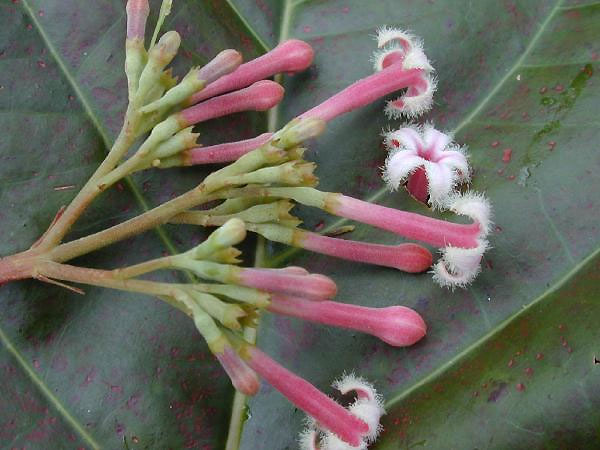
Quinine, Red cinchona
VUCinchona pubescens
Radialrissiger Risspilz
VUInocybe pusio

Radish
VURaphanus raphanistrum
Wild Radish populations face significant pressure from intensive agricultural practices, including herbicide applications and habitat conversion of traditional farmland and field margins. Climate change and altered precipitation patterns are disrupting the species' natural flowering and seed production cycles, while competition from invasive plant species further threatens remaining populations.
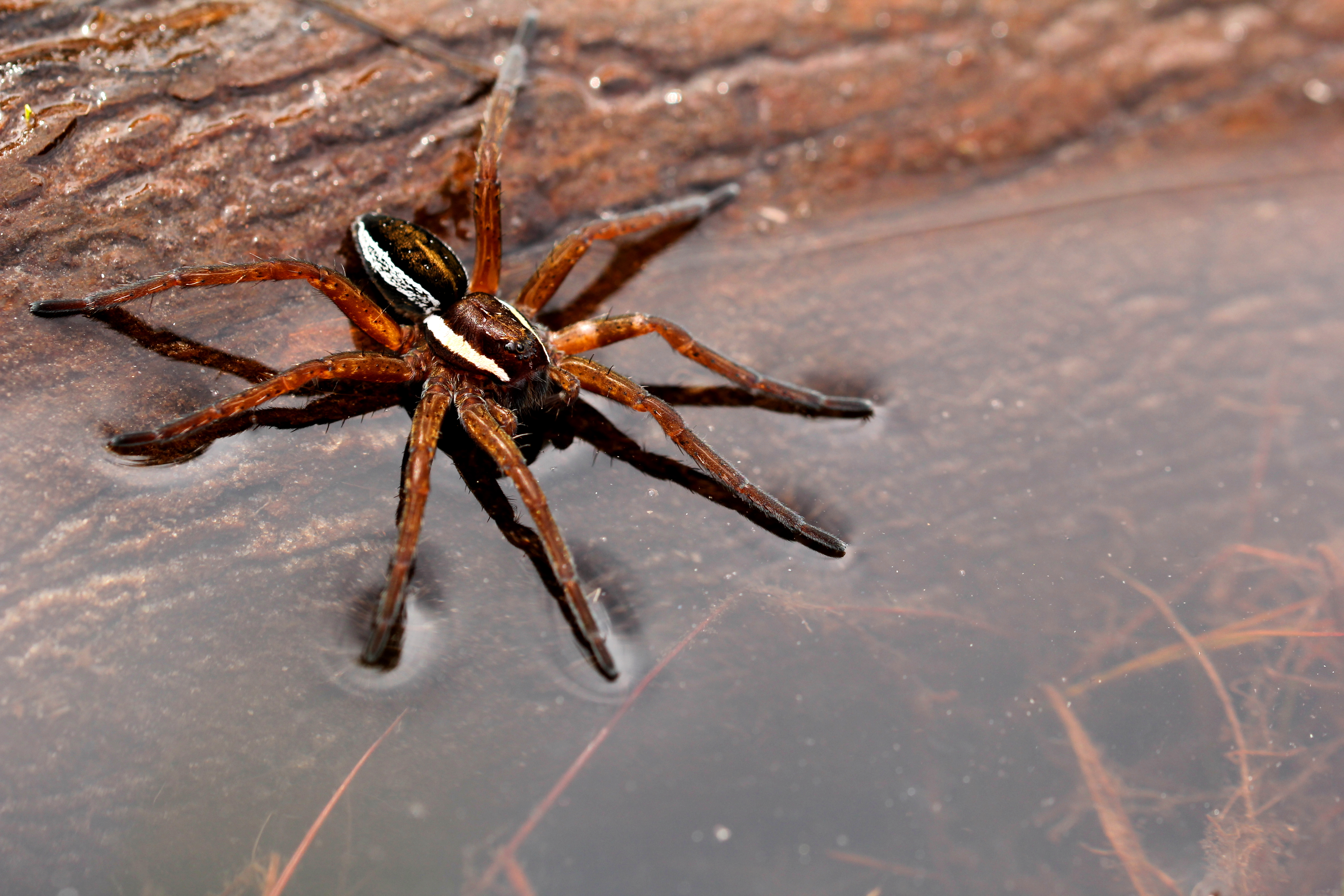
Raft Spider
CRDolomedes fimbriatus
The Raft Spider faces severe population declines due to widespread habitat destruction and degradation of wetland ecosystems across its range. Water pollution, drainage of marshlands for agriculture and development, and climate change-induced alterations to water levels have dramatically reduced suitable habitat availability. Conservation status may vary by region or assessment authority, but the species remains highly vulnerable to continued wetland loss.
raggkranslav
VUPhaeophyscia kairamoi
rågvallmovivel
VUStenocarus cardui

Rainbow parrotfish
ENScarus guacamaia
Raisin marron
CRParathesis serrulata
Raisin marron faces severe threats from habitat destruction due to deforestation and agricultural expansion in its limited montane forest range. The species' restricted distribution makes it particularly vulnerable to climate change impacts and human encroachment into its specialized high-elevation habitats.
raitakalvaskorri
VUSiphonoperla burmeisteri
rak tranmossa
VUTrematodon laetevirens
rämesirvikäs
VURhadicoleptus alpestris
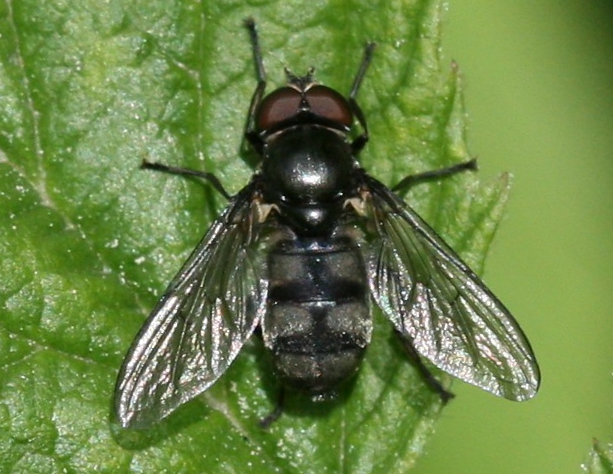
Ramson's Hoverfly
VUPortevinia maculata
Rana de cristal de rostro adornado
ENCentrolene bacatum
Rana de cristal del Cauca
VUNymphargus posadae
Rana de cristal del Huila
ENCentrolene huilense
Rana de Ingles Negras y Amarillas
VUPristimantis penelopus
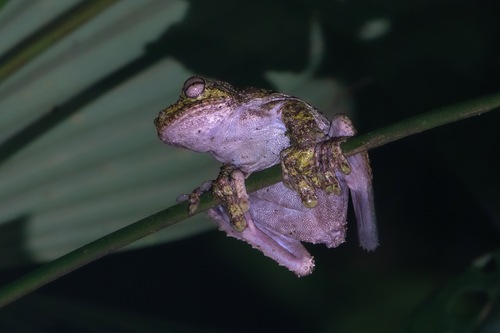
Rana magnífica fantasma
CREcnomiohyla phantasmagoria
Ecnomiohyla phantasmagoria faces severe threats from rapid deforestation and habitat fragmentation throughout its limited range in Central American cloud forests. Climate change poses an additional critical threat, as rising temperatures and altered precipitation patterns degrade the specific microclimatic conditions this species requires for survival and reproduction.

Randhåret ådselgraver
VUNicrophorus vestigator
randig lövvedborre
VUTrypodendron signatum
randmånspindel
VULiocranoeca striata