Species Explorer
Browse and search species from the IUCN Red List and GBIF.
54,666 species

Powder Post Beetle
CRStephanopachys substriatus
Stephanopachys substriatus faces severe population decline due to widespread loss of its specialized old-growth forest habitat through logging and land conversion. The species' dependence on specific dead wood substrates and fungal associations makes it extremely vulnerable to forest fragmentation and changes in forest management practices that remove decaying wood.

Powder-blue panchax
ENPachypanchax omalonotus

Powder-foot British Soldiers Lichen
CRCladonia incrassata
Powder-foot British Soldiers Lichen faces severe threats from habitat degradation and air pollution, which disrupts the delicate balance required for lichen survival. Climate change and atmospheric nitrogen deposition further compromise the specific environmental conditions this species requires, while its slow growth rate and limited dispersal ability make recovery from disturbances extremely difficult.
Powdercap Strangler
VUSquamanita paradoxa
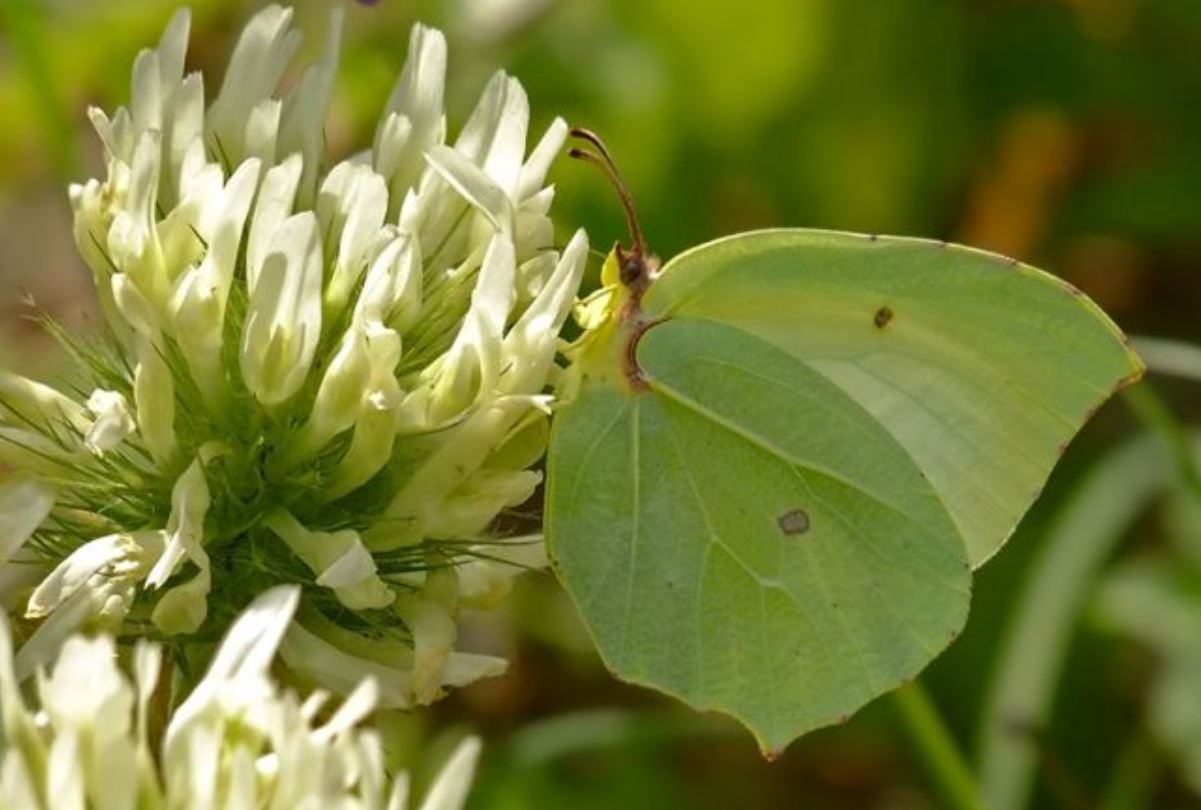
Powdered Brimstone
CRGonepteryx farinosa
The Powdered Brimstone faces severe population declines due to habitat loss from agricultural expansion and urban development across its European range. Climate change is altering the distribution and phenology of its host plants, particularly buckthorn species, disrupting critical breeding cycles and larval development.

Powdered Flat-body
VUAgonopterix curvipunctosa
Powdered Fringe Lichen
VUHeterodermia speciosa

Powdered Funnel Lichen
ENCladonia cenotea

Powdery Kidney Lichen
CRNephroma parile
Powdery Kidney Lichen faces severe threats from air pollution, particularly nitrogen deposition and sulfur compounds, which dramatically alter the chemical composition of its substrate and surrounding environment. Climate change is causing shifts in precipitation patterns and temperature regimes that disrupt the delicate moisture balance this species requires, while habitat fragmentation from deforestation and urban development eliminates suitable old-growth forest environments.
Powdery Saucer Lichen
VUOchrolechia androgyna

Powdery Twig Lichen
ENRamalina pollinaria
Powell's Chernes
ENAllochernes powelli
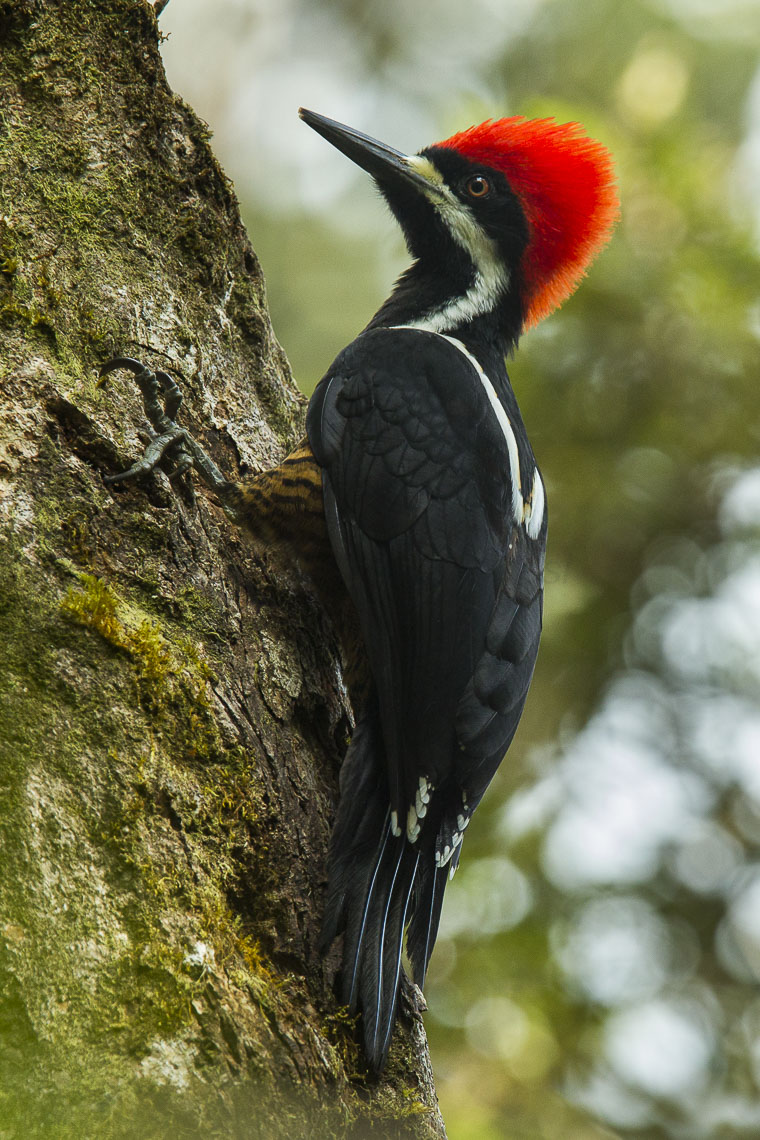
Powerful Woodpecker
VUCampephilus pollens
prachtlynxspin
VUOxyopes ramosus

prachtmierspin
CRMicaria dives
Micaria dives faces severe population declines due to habitat destruction from urbanization and agricultural expansion across its limited range. The species' specialized habitat requirements and small population size make it particularly vulnerable to environmental changes and human disturbance.
Prairie Koeler's Grass
CRKoeleria macrantha
Prairie Koeler's Grass faces severe threats from habitat conversion of native grasslands to agriculture and urban development, which has dramatically reduced available prairie ecosystems. Invasive species competition and altered fire regimes further degrade remaining habitat quality, while climate change threatens to shift suitable growing conditions beyond the species' current range.

praktblomfluga
ENCaliprobola speciosa
praktbønnelav
CRBuellia elegans
Buellia elegans faces severe threats from air pollution and acid rain, which directly damage its sensitive lichen thalli and disrupt the symbiotic relationship between fungal and algal components. Urban development and habitat destruction have eliminated many suitable substrates, while climate change alters the specific microclimate conditions this species requires for survival.
prakthinnelav
VULeptogium cochleatum

praktskiferlav
ENLobothallia alphoplaca
prakttagging
ENSteccherinum robustius
prästkrageskinnbagge
CRCatoplatus fabricii
Catoplatus fabricii faces severe population declines due to habitat loss from agricultural expansion and urban development across its range. Climate change is altering the specific microhabitat conditions this specialized bug requires, while pollution from agricultural runoff degrades the quality of its riparian breeding sites.
prästkragespetsvivel
CRDiplapion stolidum
Diplapion stolidum faces severe population declines due to habitat loss from agricultural intensification and urbanization across its range. The species' specialized dependence on specific host plants makes it particularly vulnerable to environmental changes and fragmentation of suitable habitats.
prästkragespolvivel
CRCyphocleonus trisulcatus
Cyphocleonus trisulcatus faces severe population declines due to habitat loss from agricultural intensification and urban development across its range. The species' specialized feeding requirements on specific plant hosts make it particularly vulnerable to landscape fragmentation and changes in land use practices.
Pretty Goby
VUChriolepis lepidota
prickig flinkspindel
VUPhrurolithus minimus
prickig kokongvivel
VUHypera viciae

prickig mudderkräfta
VUUpogebia stellata
pricklavstofs
ENTaeniolella verrucosa
Prickly Featherwort
CRPlagiochila spinulosa
Prickly Featherwort faces severe threats from habitat destruction and fragmentation due to deforestation, agricultural expansion, and urban development across its limited range. Climate change poses additional risks through altered precipitation patterns and temperature shifts that affect the humid microenvironments essential for this bryophyte's survival. The species' restricted distribution and specialized habitat requirements make it particularly vulnerable to environmental changes.
Prickly Shield Fern
CRPolystichum braunii
Prickly Shield Fern faces severe threats from habitat destruction due to logging and forest fragmentation in its specialized montane forest environments. Climate change poses additional risks by altering the cool, moist conditions this species requires, while its limited dispersal ability and specific habitat requirements make populations particularly vulnerable to local extinctions.

Prigogine's Greenbul
ENChlorocichla prigoginei
Prigogine's Nightjar
ENCaprimulgus prigoginei

Prikket gråbuk
CROplosia cinerea
Prikket gråbuk faces severe population declines due to extensive logging and deforestation of old-growth boreal and temperate forests across Scandinavia. The species' dependence on large, dead or dying coniferous trees for larval development makes it extremely vulnerable to modern forestry practices that remove deadwood and favor shorter rotation cycles.
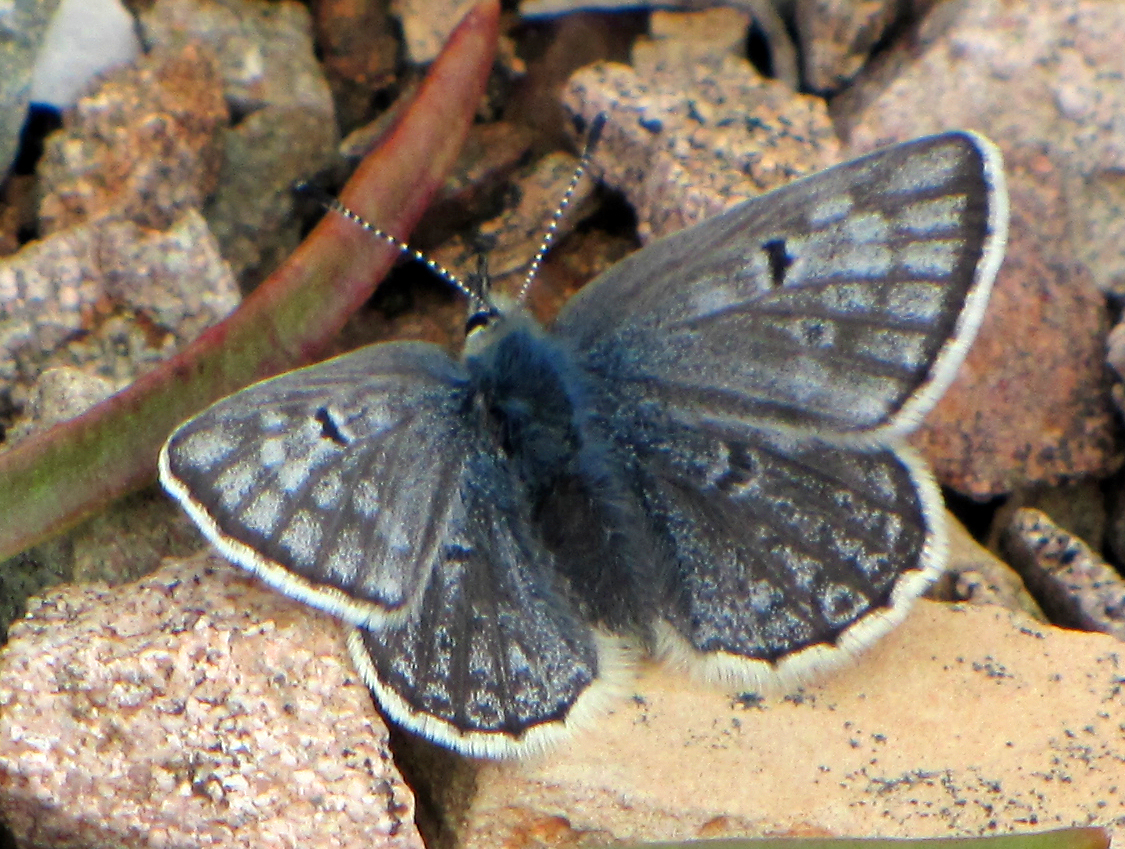
Primrose Blue
ENAgriades aquilo

primulagitje
VUCheilosia antiqua
prinsessticka
VUGloeoporus pannocinctus

Prione ermite, Aegosome scabricorne
ENAegosoma scabricorne
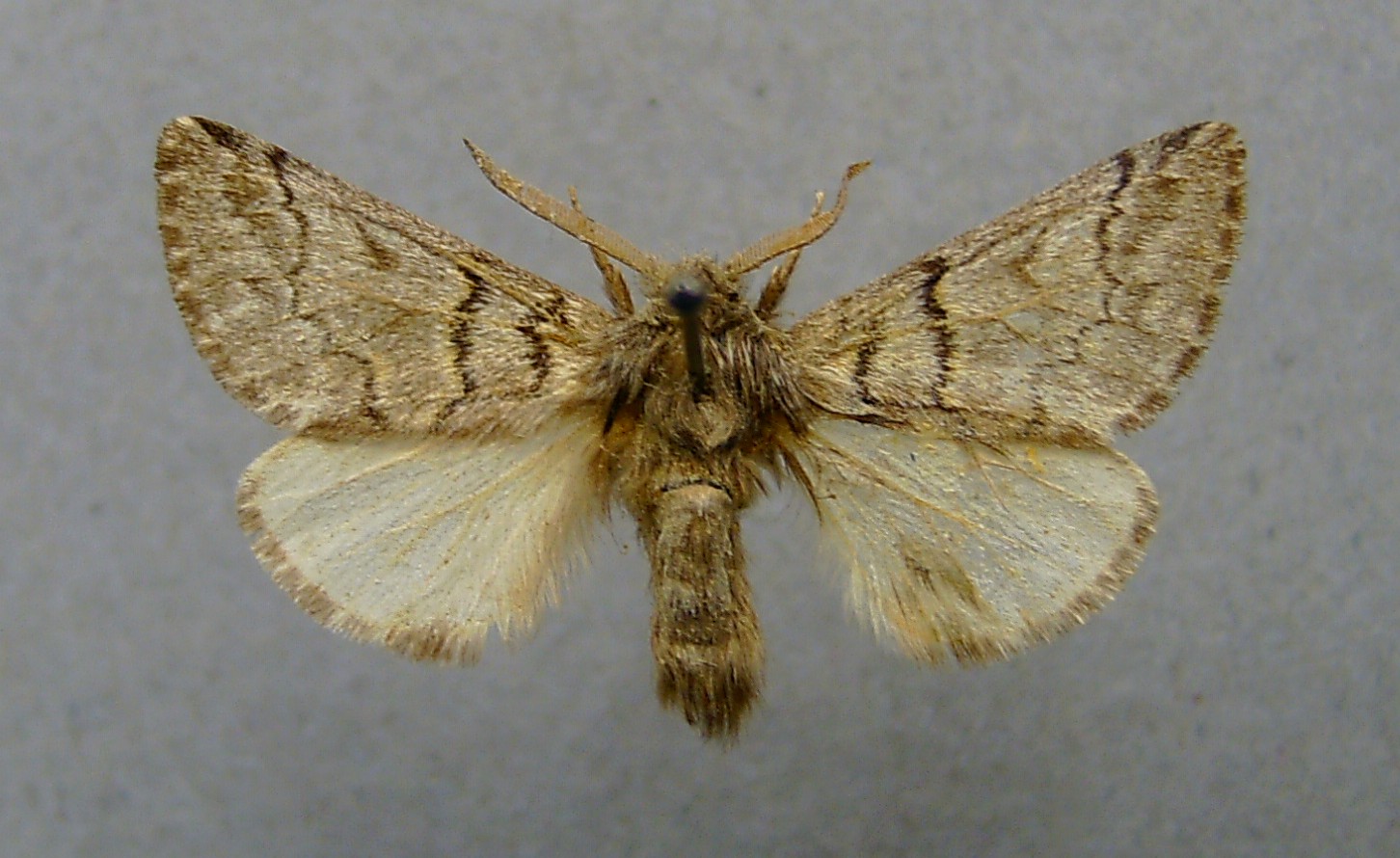
Processionnaire pinivore (La)
VUThaumetopoea pinivora

Prostrate Juniper
VUJuniperus communis

Provence Hairstreak
VUTomares ballus
Pruinose Dandelion
CRTaraxacum pruinatum
Taraxacum pruinatum faces severe threats from habitat loss due to agricultural expansion and urban development in its specialized alpine and subalpine environments. Climate change poses an additional critical threat as warming temperatures force suitable habitat to shift to higher elevations, reducing available range for this cold-adapted species.
Pruinose-bracted Dandelion
CRTaraxacum lepidum
Pruinose-bracted Dandelion faces severe threats from habitat loss due to agricultural expansion and urban development in its limited range. Climate change poses additional risks through altered precipitation patterns and temperature shifts that affect its specialized alpine and subalpine habitat requirements.
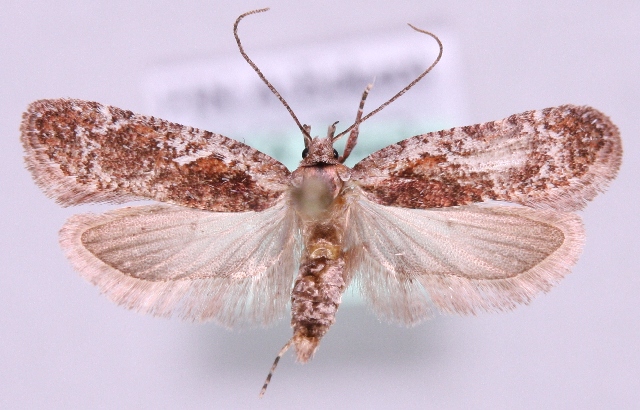
prydlig johannesörtplattmal
VUAgonopterix hypericella

Psithyre quadricolore
VUBombus quadricolor
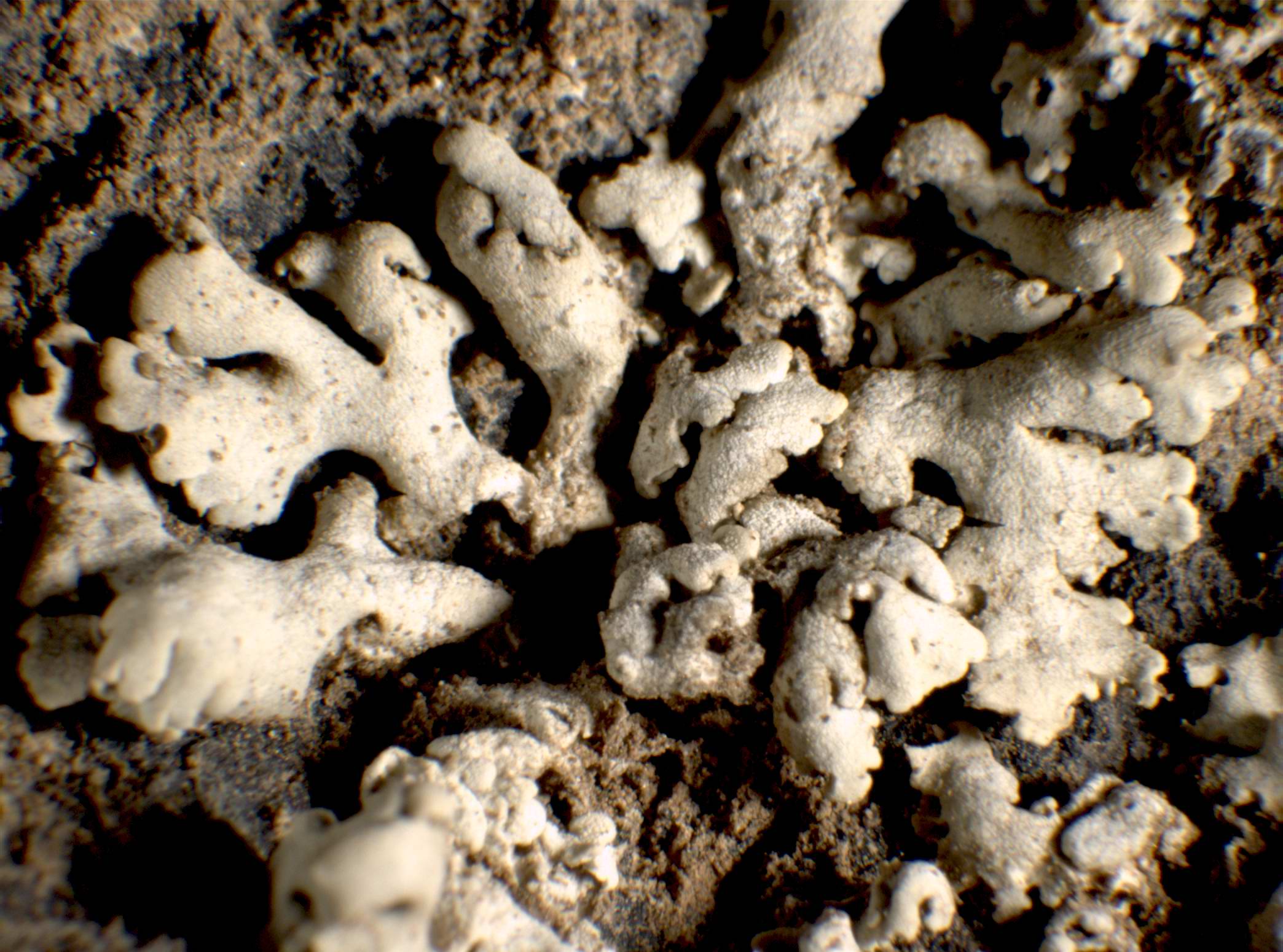
pudrad rosettlav
VUPhyscia magnussonii

Puerto Rican sand crab
VUEmerita portoricensis
Puerto Rico Ghostplant
CRVoyria tenella
The Puerto Rico Ghostplant faces severe threats from habitat destruction and fragmentation due to deforestation, agricultural expansion, and urban development across its limited range. As a parasitic plant dependent on specific host species and mycorrhizal relationships, it is particularly vulnerable to ecosystem disruption and the loss of its forest habitat.
Puerto Rico jumby pepper
CRMicrotea portoricensis
The Puerto Rico jumby pepper faces severe threats from habitat destruction due to urban development and agricultural expansion across its limited range in Puerto Rico. As a small herbaceous plant with restricted distribution, it is particularly vulnerable to land use changes and invasive species competition that degrade its native habitat.

puistomörsky
ENHelvella albella