Tapinocyboides pygmaeus
Overview
A detailed profile for this species is sourced from the IUCN Red List of Threatened Species as assessments become available.
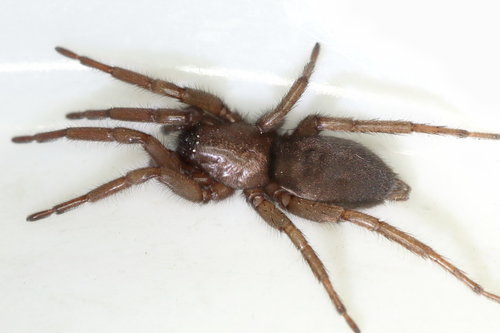
The pygmeedderkopp faces severe pressure from habitat degradation in its specialized moss and lichen microhabitats within old-growth forests. Agricultural expansion and logging activities have fragmented its range, while climate change alters the moisture conditions essential for the bryophyte communities it depends upon. The species' extremely small size and cryptic nature make population monitoring challenging, potentially masking the true extent of decline.
Habitat
This minute spider inhabits the moss and lichen layers of old-growth coniferous and mixed forests, particularly favoring humid microenvironments on tree bark and fallen logs. It requires stable moisture conditions and undisturbed bryophyte communities that develop only in mature forest ecosystems.
Other threatened species in Linyphiidae
Threatened in Åland Islands


Frequently asked questions
Why is Tapinocyboides pygmaeus classified as Vulnerable?
Where does Tapinocyboides pygmaeus live?
What are the main threats to Tapinocyboides pygmaeus?
Get weekly conservation intelligence
One short digest a week of the most striking species and country data we ship, plus breaking conservation news paired with our database where it matters.
Free, no spam. One-click unsubscribe in every email.