
Queen of Spain Fritillary
Issoria lathonia
Photo: Wikimedia Commons (CC) via https://en.wikipedia.org/wiki/Queen_of_Spain_fritillary
Overview
Queen of Spain Fritillary (Issoria lathonia)
The Queen of Spain Fritillary is a medium-sized butterfly with distinctive orange wings marked by black spots and lines. Its underwings display characteristic large silver spots that distinguish it from other fritillary species. Adults typically measure 38-46mm across and exhibit strong migratory behavior, capable of traveling hundreds of kilometers.
This species serves as a pollinator for various flowering plants and supports food webs as prey for birds, spiders, and other predators. Its caterpillars feed exclusively on violet species (Viola spp.).
Historically distributed across much of Europe, Asia, and North Africa, the Queen of Spain Fritillary inhabits diverse environments including grasslands, meadows, agricultural margins, and mountainous regions up to 2,000 meters elevation. The species demonstrates remarkable adaptability, occurring from Mediterranean climates to temperate zones across its extensive range.
The butterfly faces significant population declines in several European countries, particularly in northwestern regions. Primary threats include habitat loss through agricultural intensification, urban development, and changes in land management practices that eliminate wild violet populations. Climate change affects migration patterns and breeding success, while pesticide use in agricultural areas reduces both adult and larval survival rates.
Conservation efforts focus on habitat restoration and management, particularly maintaining flower-rich grasslands and protecting violet-abundant areas. Several European countries have implemented agri-environmental schemes supporting wildlife-friendly farming practices. Monitoring programs track population trends and migration patterns across multiple nations.
The species' current outlook remains uncertain, with continued declines reported in northern European populations despite its broad geographic range and migratory capabilities providing some resilience against localized threats.
The Queen of Spain Fritillary faces significant population declines across its range due to habitat loss and degradation from agricultural intensification and urban development. Climate change is altering the distribution and phenology of both the butterfly and its host plants, while changes in land management practices have reduced the availability of suitable breeding habitats.
Other threatened species in Nymphalidae
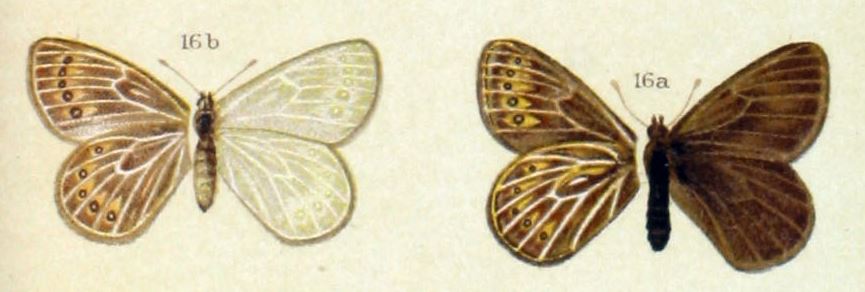


Threatened in Åland Islands


Frequently asked questions
Why is Queen of Spain Fritillary classified as Vulnerable?
Where does Queen of Spain Fritillary live?
What are the main threats to Queen of Spain Fritillary?
Get weekly conservation intelligence
One short digest a week of the most striking species and country data we ship, plus breaking conservation news paired with our database where it matters.
Free, no spam. One-click unsubscribe in every email.