
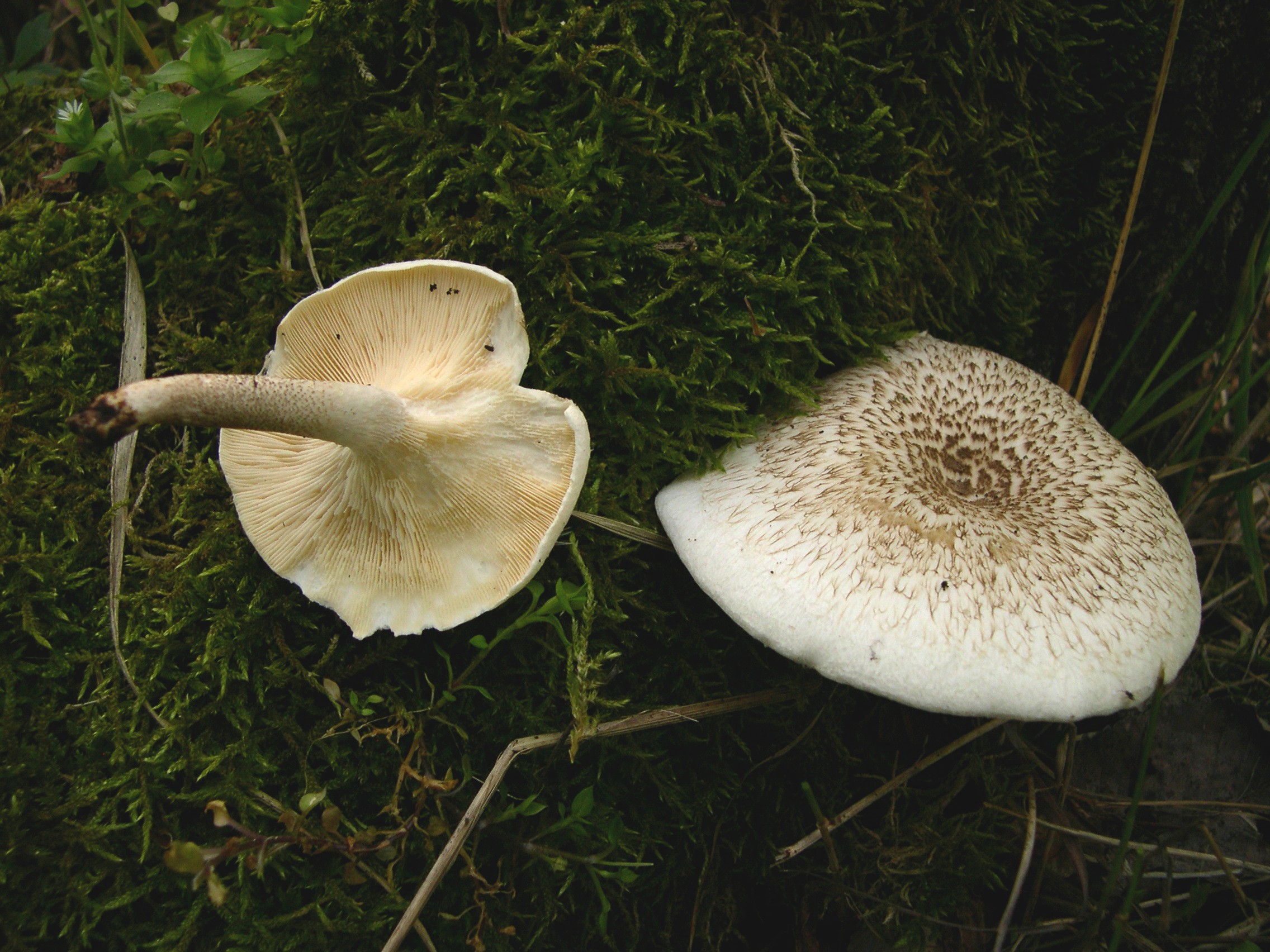
Rhodonia placenta
Photo: Wikimedia Commons (CC) via https://en.wikipedia.org/wiki/Rhodonia_placenta
Overview
A detailed profile for this species is sourced from the IUCN Red List of Threatened Species as assessments become available.
Rhodonia placenta faces severe decline due to the widespread loss of old-growth coniferous forests, particularly those containing large-diameter fallen logs and stumps essential for its saprophytic lifestyle. Commercial logging practices that remove dead wood and implement short rotation cycles eliminate the specific microhabitat conditions this polypore requires for fruiting body development. Climate change compounds these pressures by altering moisture regimes in forest ecosystems, potentially disrupting the delicate balance of humidity and temperature needed for spore germination and mycelial growth.
Habitat
This wood-decay fungus inhabits mature coniferous forests, particularly those dominated by spruce, fir, and pine species. It colonizes fallen logs, stumps, and dead standing timber in moist forest environments, requiring specific moisture and temperature conditions for optimal growth and reproduction.
Other threatened species in Polyporaceae
Frequently asked questions
Why is Rhodonia placenta classified as Vulnerable?
Where does Rhodonia placenta live?
What are the main threats to Rhodonia placenta?
Get weekly conservation intelligence
One short digest a week of the most striking species and country data we ship, plus breaking conservation news paired with our database where it matters.
Free, no spam. One-click unsubscribe in every email.