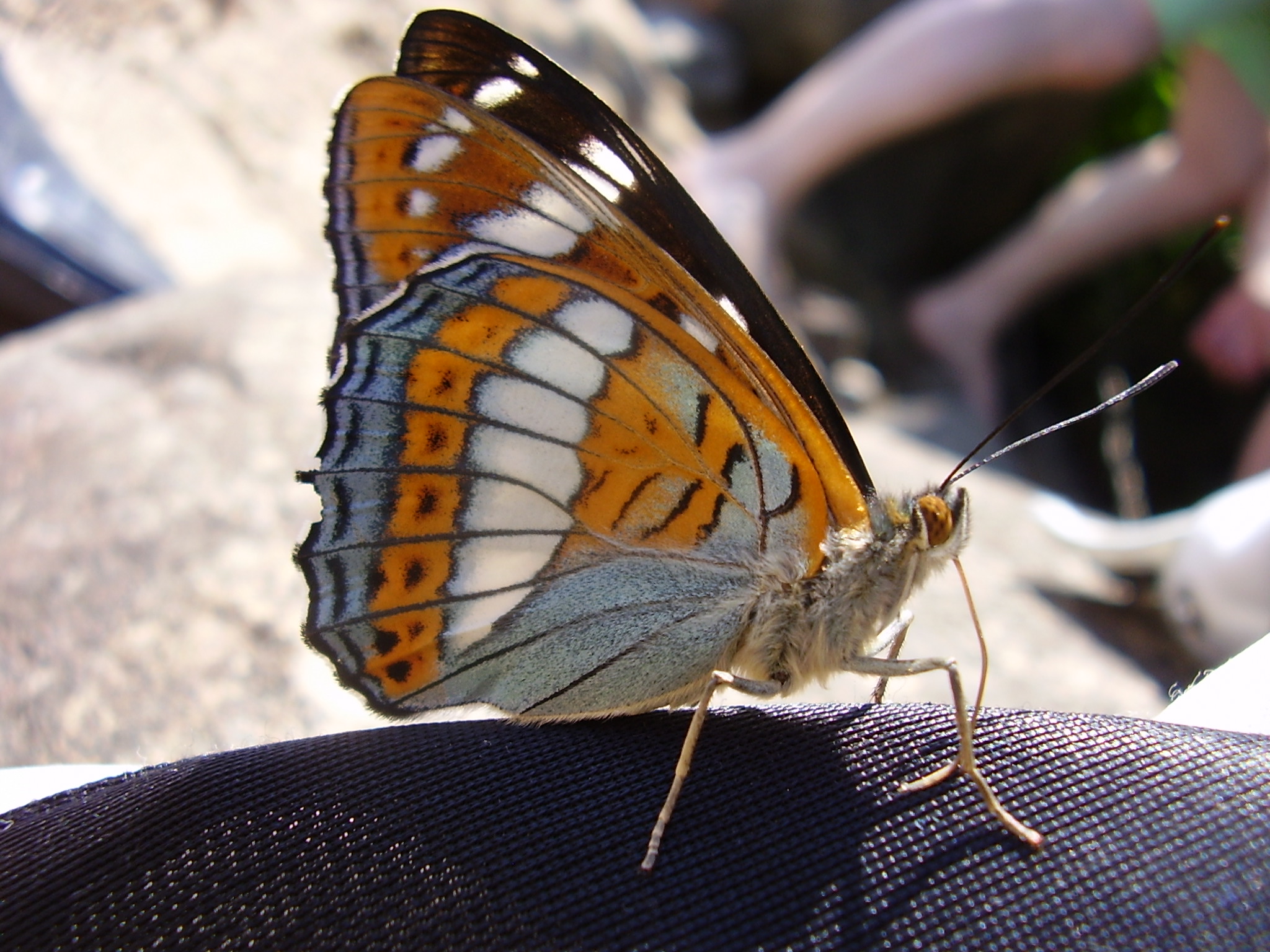
Poplar Admiral
Limenitis populi
Photo: Wikimedia Commons (CC) via https://en.wikipedia.org/wiki/Poplar_admiral
Overview
A detailed profile for this species is sourced from the IUCN Red List of Threatened Species as assessments become available.
The Poplar Admiral faces severe population declines across its range due to widespread habitat loss from deforestation and urban development, which has eliminated critical breeding sites. Climate change is altering the distribution and phenology of its host plants, while pollution and pesticide use in agricultural landscapes further threaten remaining populations.
Habitat
Deciduous and mixed woodlands with abundant aspen and poplar trees, particularly in forest edges, clearings, and riparian areas. Also found in parks, large gardens, and tree-lined areas near water sources where host plants are present.
Other threatened species in Nymphalidae


Frequently asked questions
Why is Poplar Admiral classified as Critically Endangered?
Where does Poplar Admiral live?
What are the main threats to Poplar Admiral?
Get weekly conservation intelligence
One short digest a week of the most striking species and country data we ship, plus breaking conservation news paired with our database where it matters.
Free, no spam. One-click unsubscribe in every email.