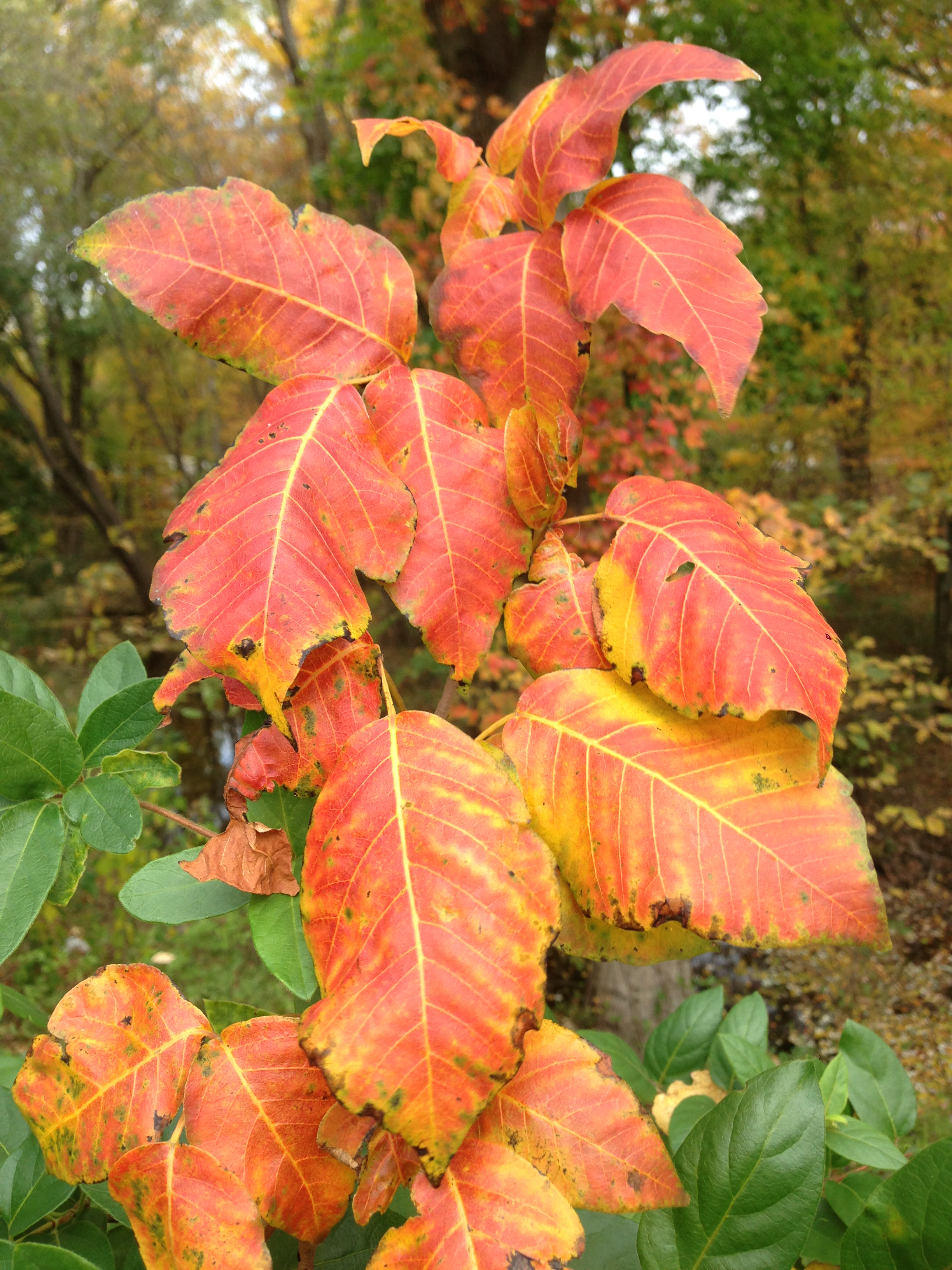
Poison Ivy
Toxicodendron radicans
Photo: Wikimedia Commons (CC) via https://en.wikipedia.org/wiki/Toxicodendron_radicans
Overview
Toxicodendron radicans is a woody perennial vine or trailing shrub in the cashew family, recognized by its compound leaves of three glossy leaflets that shift color seasonally, and by the urushiol oil in its sap, which causes contact dermatitis in most humans. It climbs trees and structures using aerial rootlets or spreads along the ground in open areas, producing small greenish flowers and clusters of whitish berries that are an important food source for birds and small mammals, which in turn disperse its seeds.
The species has an extensive geographic range across North America, with additional occurrences reported in Europe, Asia, Oceania, and parts of the Caribbean and South America, reflecting both native distribution and introductions. It grows in a wide variety of terrestrial habitats, including forest edges, riverbanks, thickets, and disturbed or urbanized land.
Despite its adaptability, the species is classified as Critically Endangered, with an unknown population trend. Pressures include habitat loss from urban development, conversion of land for agriculture, and shifting climate conditions affecting suitable habitat. A significant additional threat comes from direct human intervention: because of its dermatitis-causing properties, the plant is routinely targeted for removal through herbicide application and deliberate eradication programs, reducing local populations even where habitat otherwise persists.
Conservation measures specific to this species are not well documented, and no dedicated recovery programs are widely reported. Its listing status appears driven largely by systematic removal efforts rather than natural range contraction. Given the continued combination of land development, active eradication, and climate pressures, the species' long-term trajectory remains uncertain, with no clear indication of population recovery or stabilization at this time.
Poison Ivy loses ground when natural areas are cleared for new buildings, roads, and farmland, and its habitat is gradually shifting as climate patterns change. It also faces direct pressure from people who spray herbicides or actively dig up and destroy it because it causes skin irritation. Overall, these combined pressures appear to be ongoing and stable rather than rapidly worsening, since the plant is widespread and adaptable.
Habitat
Deciduous and mixed woodlands, forest edges, riparian corridors, and disturbed areas with partial shade to full sun exposure. Also occurs in coastal dunes, old fields, and along fence rows where it can climb trees or spread as ground cover.
Other threatened species in Anacardiaceae
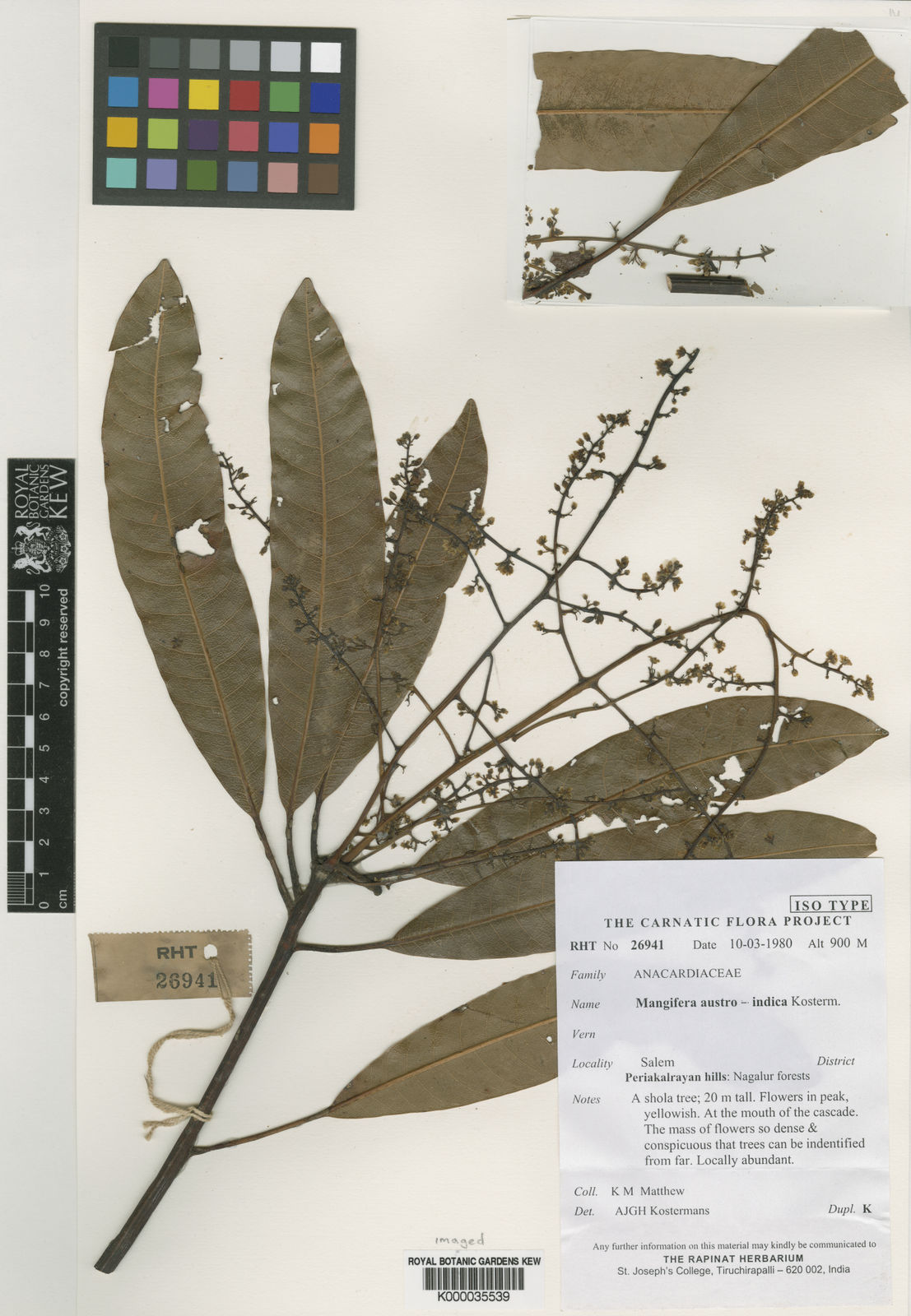

Threatened in Australia
Frequently asked questions
Why is Poison Ivy classified as Critically Endangered?
Where does Poison Ivy live?
What are the main threats to Poison Ivy?
Get weekly conservation intelligence
One short digest a week of the most striking species and country data we ship, plus breaking conservation news paired with our database where it matters.
Free, no spam. One-click unsubscribe in every email.