Filamentous Rockskipper
Scartella nuchifilis
Overview
A detailed profile for this species is sourced from the IUCN Red List of Threatened Species as assessments become available.
The Mottled blenny faces significant pressure from coastal development and habitat modification throughout its Mediterranean range. Rising sea temperatures and ocean acidification associated with climate change are altering the rocky intertidal ecosystems this species depends on. Pollution from coastal urbanization and tourism activities further degrades the water quality in shallow marine environments where these fish feed and reproduce.
Habitat
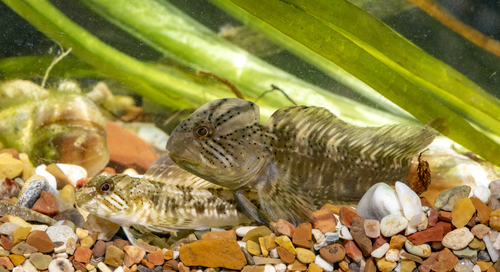
The Mottled blenny inhabits rocky intertidal zones and shallow coastal waters of the Mediterranean Sea, typically found among algae-covered rocks and in tide pools. This species prefers areas with good water circulation and abundant algal growth, which provides both food sources and shelter from predators.
Other threatened species in Blenniidae
Frequently asked questions
Why is Filamentous Rockskipper classified as Vulnerable?
Where does Filamentous Rockskipper live?
What are the main threats to Filamentous Rockskipper?
Get weekly conservation intelligence
One short digest a week of the most striking species and country data we ship, plus breaking conservation news paired with our database where it matters.
Free, no spam. One-click unsubscribe in every email.