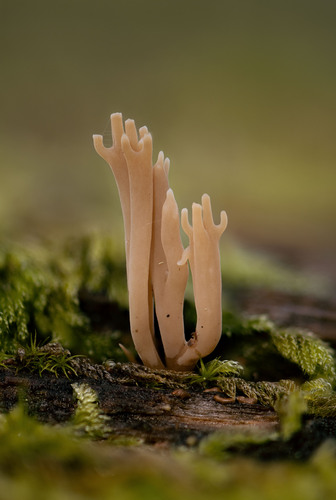
Artomyces cristatus
Photo: Photo: (c) Milli Vedder, some rights reserved (CC BY-NC), uploaded by Milli Vedder
Overview
Artomyces cristatus, known as the crested coral fungus, is a distinctive saprotrophic fungus characterized by its coral-like branching structure with flattened, crested tips that resemble tiny antlers or candelabras. This white to cream-colored fungus plays a crucial ecological role as a decomposer, breaking down dead hardwood material and recycling nutrients back into forest ecosystems.
Artomyces cristatus faces severe decline primarily due to habitat loss from deforestation and forest fragmentation, which destroys the old-growth deciduous forests it depends on for survival. Climate change and pollution further stress remaining populations by altering forest ecosystems and degrading the specific microhabitat conditions this specialized fungus requires.
Habitat
This fungus grows exclusively on decaying logs and stumps of hardwood trees, particularly oak, beech, and maple, in mature deciduous and mixed forests. It requires consistently moist conditions and is typically found in shaded forest understories with stable microclimates.
Other threatened species in Auriscalpiaceae

Frequently asked questions
Why is Artomyces cristatus classified as Critically Endangered?
Where does Artomyces cristatus live?
What are the main threats to Artomyces cristatus?
Get weekly conservation intelligence
One short digest a week of the most striking species and country data we ship, plus breaking conservation news paired with our database where it matters.
Free, no spam. One-click unsubscribe in every email.