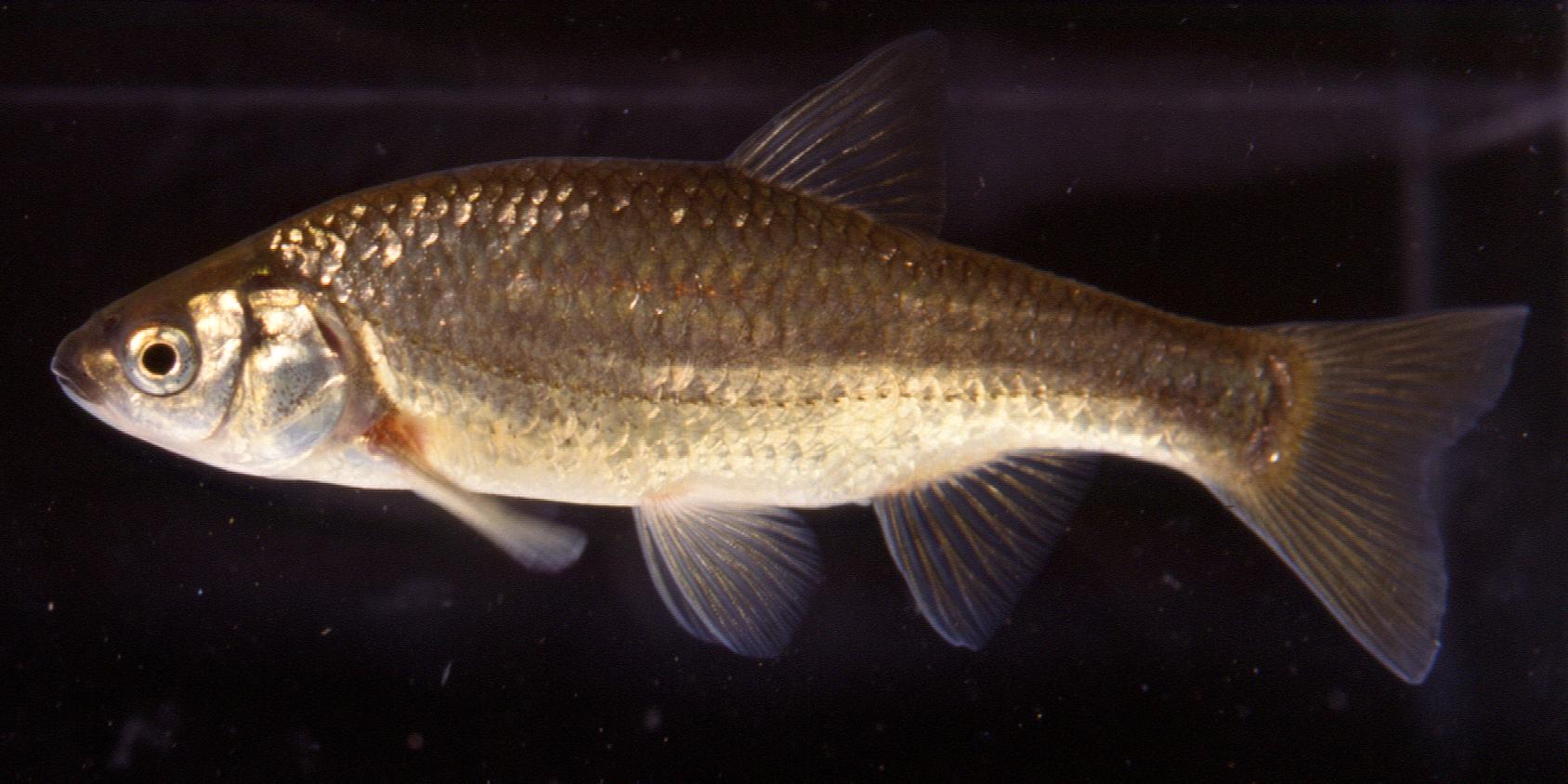
Iberochondrostoma olisiponensis
Photo: Wikimedia Commons (CC) via https://en.wikipedia.org/wiki/Iberochondrostoma_olisiponense
Overview
Iberochondrostoma olisiponense, the Lisbon arched-mouth nase, is a species of freshwater ray-finned fish belonging to the family Leuciscidae. This species was discovered in 2007 in the lower Rio Tejo basin, Portugal.
The Lisbon arched-mouth nase faces severe threats from habitat degradation and water pollution in its limited range within Portuguese river systems. Dam construction and water extraction have fragmented populations and altered natural flow regimes, while agricultural runoff and urban pollution have degraded water quality in critical spawning and feeding areas.
Habitat
This species is endemic to the lower Rio Tejo basin. It was only found in three tributaries of the Tejo River, namely, Trancão, Maior, and Muge.
Other threatened species in Cyprinidae


Frequently asked questions
Why is Iberochondrostoma olisiponensis classified as Critically Endangered?
Where does Iberochondrostoma olisiponensis live?
What are the main threats to Iberochondrostoma olisiponensis?
Get weekly conservation intelligence
One short digest a week of the most striking species and country data we ship, plus breaking conservation news paired with our database where it matters.
Free, no spam. One-click unsubscribe in every email.