
Feathered Neckera
Neckera pennata
Photo: Wikimedia Commons (CC) via https://en.wikipedia.org/wiki/Neckera_pennata
Overview
Shingle Moss (Neckera pennata)
Shingle Moss is a distinctive pleurocarpous moss characterized by its flattened, feather-like branching pattern that resembles overlapping shingles. The species forms loose, spreading mats with glossy, dark green to yellowish-green shoots that can extend 5-15 centimeters in length. Its leaves are arranged in two rows, creating a distinctly flattened appearance that helps distinguish it from related species.
As an epiphyte, Shingle Moss plays an important ecological role by providing microhabitats for invertebrates and contributing to forest moisture retention and nutrient cycling.
This moss demonstrates remarkable geographic distribution, occurring across multiple continents from boreal forests in Scandinavia, Canada, and Russia to temperate regions in Europe, Asia, and parts of the Americas. It also extends into tropical and subtropical areas including Southeast Asia, parts of South America, and Pacific islands. Shingle Moss typically grows on tree bark, particularly favoring mature deciduous trees and occasionally conifers, though it can also colonize rocks and other substrates in humid environments.
The species faces mounting pressure from habitat degradation, particularly the loss of old-growth forests that provide optimal growing conditions. Air pollution, including acid rain and nitrogen deposition, poses additional threats by altering bark chemistry and overall forest health. Climate change may be affecting moisture regimes critical for moss survival and reproduction.
Current conservation efforts focus primarily on forest habitat protection rather than species-specific measures. Some populations receive indirect protection through national parks and forest reserves. However, the species' current outlook remains uncertain due to continued habitat pressures and limited population monitoring across its extensive range.
Shingle Moss (Neckera pennata) is declining primarily due to habitat loss and degradation from deforestation, air pollution, and climate change affecting the specific microclimate conditions it requires. The species is particularly vulnerable because it depends on old-growth forests with stable humidity and temperature conditions that are increasingly rare.
Other threatened species in Neckeraceae
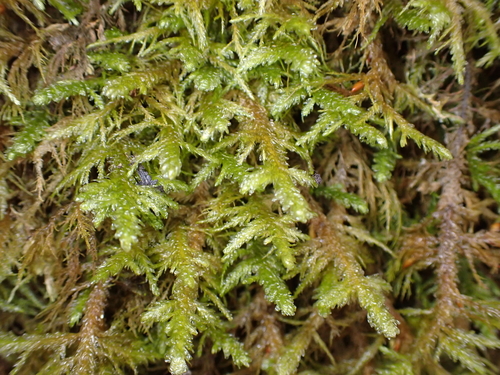
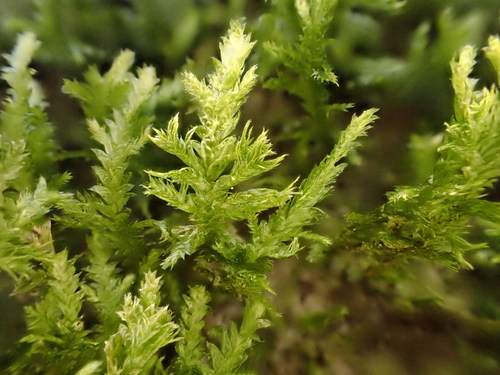
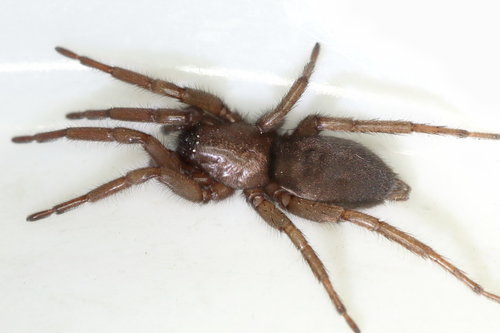
Threatened in Åland Islands


Frequently asked questions
Why is Feathered Neckera classified as Vulnerable?
Where does Feathered Neckera live?
What are the main threats to Feathered Neckera?
Get weekly conservation intelligence
One short digest a week of the most striking species and country data we ship, plus breaking conservation news paired with our database where it matters.
Free, no spam. One-click unsubscribe in every email.