
slavemaurblomsterfluge
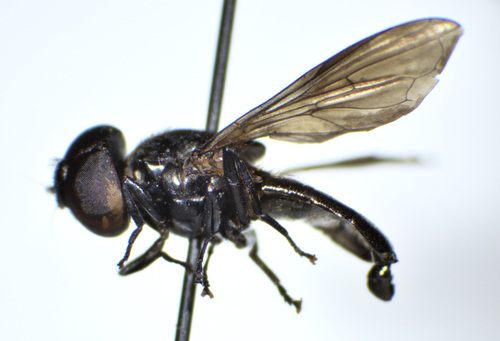
Microdon mutabilis
Photo: Wikimedia Commons (CC) via https://en.wikipedia.org/wiki/Microdon_mutabilis
Overview
A detailed profile for this species is sourced from the IUCN Red List of Threatened Species as assessments become available.
Microdon mutabilis faces severe population declines primarily due to the destruction and fragmentation of its specialized ant-associated habitats. Agricultural intensification and urban development have eliminated many of the mature woodland edges and semi-natural grasslands where its host ant colonies thrive. Climate change compounds these pressures by altering the delicate ecological relationships between the hoverfly larvae, their ant hosts, and the specific microhabitats they require for successful reproduction.
Habitat
This specialized hoverfly inhabits woodland edges, mature hedgerows, and semi-natural grasslands where its larvae develop as inquilines within ant colonies, particularly those of Lasius species. The adults require flower-rich habitats adjacent to these ant-dominated areas for nectar feeding and mating.
Other threatened species in Syrphidae


Threatened in Åland Islands


Frequently asked questions
Why is slavemaurblomsterfluge classified as Endangered?
Where does slavemaurblomsterfluge live?
What are the main threats to slavemaurblomsterfluge?
Get weekly conservation intelligence
One short digest a week of the most striking species and country data we ship, plus breaking conservation news paired with our database where it matters.
Free, no spam. One-click unsubscribe in every email.