
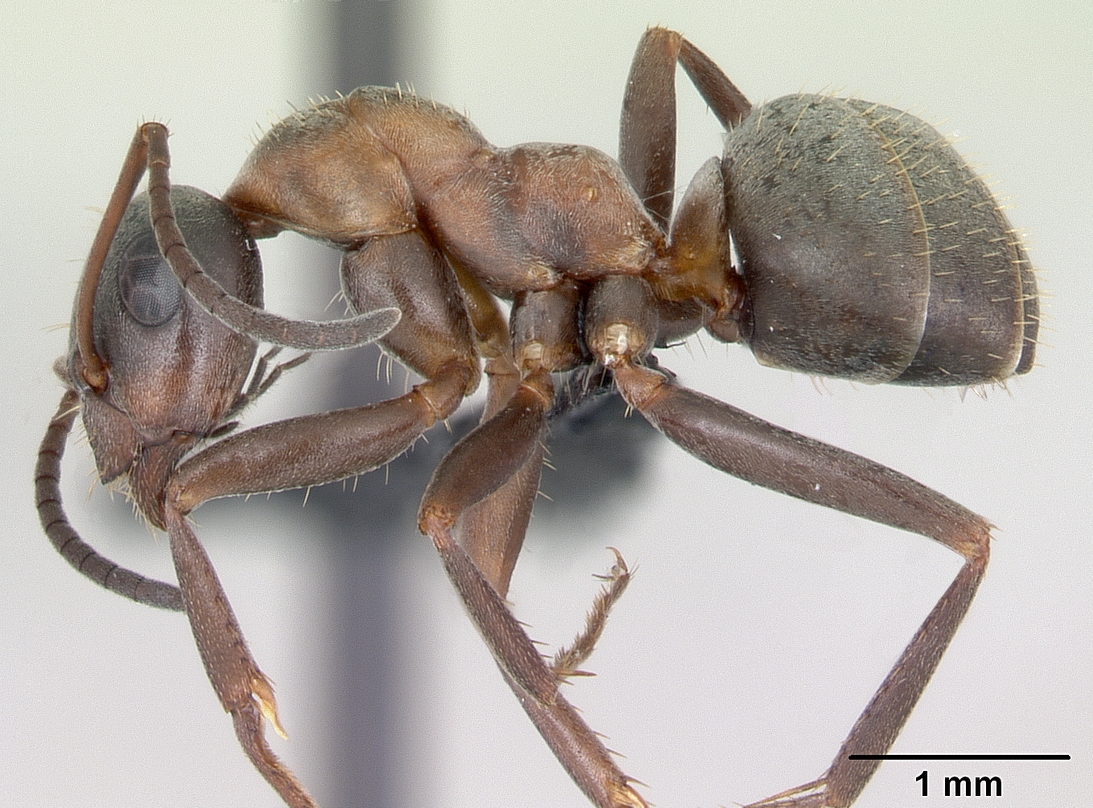
Slave-making Ant
Formica sanguinea
Photo: Wikimedia Commons (CC) via https://en.wikipedia.org/wiki/Formica_sanguinea
Overview
A detailed profile for this species is sourced from the IUCN Red List of Threatened Species as assessments become available.
The Slave-making Ant faces significant population declines primarily due to habitat fragmentation and loss of suitable woodland and heathland environments. Climate change poses an additional threat by altering the delicate ecological balance required for their complex slave-raiding behavior and host species availability. Agricultural intensification and urban development have reduced the mosaic of open and semi-open habitats essential for both F. sanguinea colonies and their target host species.
Habitat
Formica sanguinea inhabits woodland edges, heathlands, and semi-open grasslands with scattered trees, particularly favoring areas with sandy or well-drained soils. The species requires a mosaic habitat structure that supports both their own colonies and the colonies of host species they raid, typically found in temperate regions across Europe and parts of North America.
Other threatened species in Formicidae

Threatened in Albania

Frequently asked questions
Why is Slave-making Ant classified as Vulnerable?
Where does Slave-making Ant live?
What are the main threats to Slave-making Ant?
Get weekly conservation intelligence
One short digest a week of the most striking species and country data we ship, plus breaking conservation news paired with our database where it matters.
Free, no spam. One-click unsubscribe in every email.