Hieracium subramosum
Overview
A detailed profile for this species is sourced from the IUCN Red List of Threatened Species as assessments become available.
Småländsk rufsfibbla faces severe population decline due to habitat fragmentation and loss of traditional agricultural practices in southern Sweden. The species depends on semi-natural grasslands and forest edges that are increasingly converted to intensive agriculture or abandoned, leading to succession and overgrowth. Competition from more aggressive plant species and changes in grazing patterns have further reduced suitable habitat availability.
Habitat
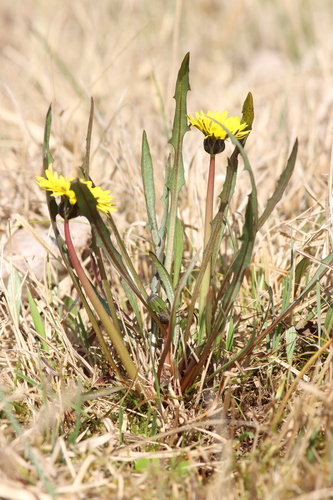
This endemic Swedish hawkweed inhabits semi-natural grasslands, forest edges, and traditional agricultural landscapes in the Småland region. It requires open to semi-open habitats with moderate disturbance regimes, typically found in areas maintained by traditional grazing or mowing practices.
Other threatened species in Asteraceae

Frequently asked questions
Why is Hieracium subramosum classified as Vulnerable?
Where does Hieracium subramosum live?
What are the main threats to Hieracium subramosum?
Get weekly conservation intelligence
One short digest a week of the most striking species and country data we ship, plus breaking conservation news paired with our database where it matters.
Free, no spam. One-click unsubscribe in every email.