Short-horned Furrow Bee
Lasioglossum brevicorne
Overview
A detailed profile for this species is sourced from the IUCN Red List of Threatened Species as assessments become available.
The Short-horned Furrow Bee faces significant population declines primarily due to agricultural intensification and the widespread use of neonicotinoid pesticides, which directly impact both adult bees and their ground-nesting larvae. Habitat fragmentation from urban development has reduced the availability of suitable nesting sites in sandy soils and eliminated crucial foraging resources. Climate change is altering flowering phenology of native plants, creating temporal mismatches between bee emergence and peak nectar availability.
Habitat
This solitary ground-nesting bee inhabits sandy soils in coastal dunes, heathlands, and open grasslands where it excavates shallow burrows for reproduction. The species requires diverse flowering plants within foraging range, particularly favoring composite flowers and native wildflower meadows.
Other threatened species in Halictidae
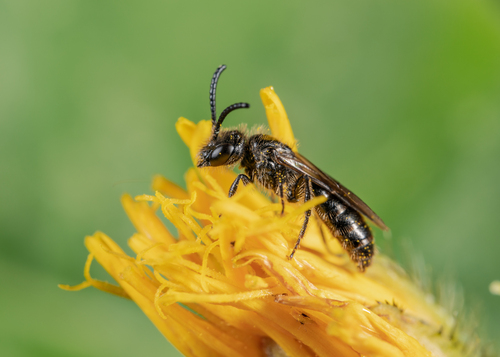
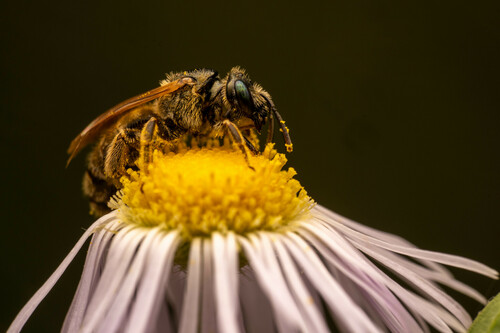
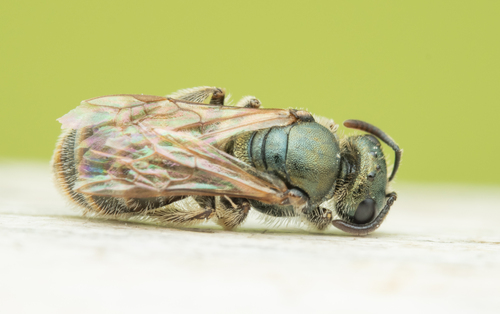
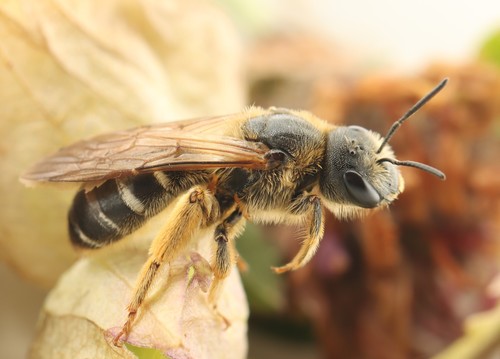
Threatened in Austria
Frequently asked questions
Why is Short-horned Furrow Bee classified as Vulnerable?
Where does Short-horned Furrow Bee live?
What are the main threats to Short-horned Furrow Bee?
Get weekly conservation intelligence
One short digest a week of the most striking species and country data we ship, plus breaking conservation news paired with our database where it matters.
Free, no spam. One-click unsubscribe in every email.