
Shrill carder bee
Bombus sylvarum
Photo: Wikimedia Commons (CC) via https://en.wikipedia.org/wiki/Bombus_sylvarum
Overview
A detailed profile for this species is sourced from the IUCN Red List of Threatened Species as assessments become available.
The Shrill carder bee faces severe population declines primarily due to the loss of flower-rich grasslands and traditional hay meadows across its range. Agricultural intensification has eliminated crucial foraging plants like red clover, field scabious, and knapweed that this species depends on for nectar. The bee's late-flying season (active until October) makes it particularly vulnerable to habitat fragmentation, as it requires continuous flower resources when most other plants have finished blooming.
Habitat
The Shrill carder bee inhabits flower-rich grasslands, traditional hay meadows, coastal dunes, and rough pastures with abundant late-flowering plants. It shows particular preference for areas with red clover, field scabious, and other composite flowers that bloom into autumn.
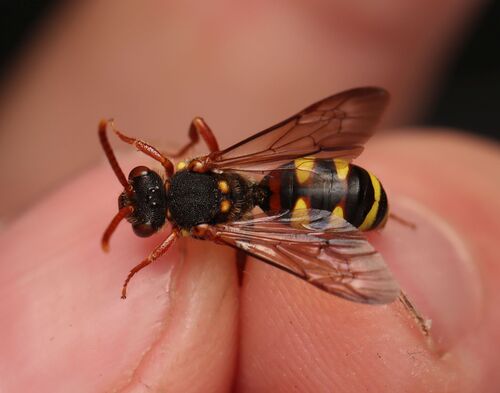
Other threatened species in Apidae
Threatened in Albania

Frequently asked questions
Why is Shrill carder bee classified as Endangered?
Where does Shrill carder bee live?
What are the main threats to Shrill carder bee?
Get weekly conservation intelligence
One short digest a week of the most striking species and country data we ship, plus breaking conservation news paired with our database where it matters.
Free, no spam. One-click unsubscribe in every email.