Tipula autumnalis
Overview
A detailed profile for this species is sourced from the IUCN Red List of Threatened Species as assessments become available.
Tipula autumnalis faces severe population declines primarily due to the drainage and conversion of wetland habitats across its range. Agricultural intensification has eliminated many of the boggy meadows and marshy areas essential for larval development. Climate change compounds these pressures by altering precipitation patterns and increasing temperatures, which disrupts the moisture-dependent breeding cycles critical to this crane fly's survival.
Habitat
This crane fly species inhabits wet meadows, boggy areas, and marshy grasslands with consistently moist soils. The larvae require waterlogged conditions in organic-rich substrates, while adults are typically found in adjacent vegetation during their brief reproductive period.
Other threatened species in Tipulidae
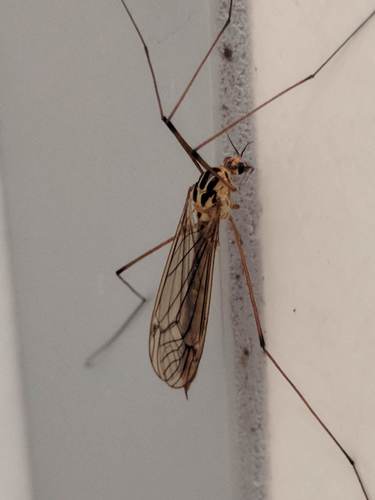
Threatened in Belgium

Frequently asked questions
Why is Tipula autumnalis classified as Endangered?
Where does Tipula autumnalis live?
What are the main threats to Tipula autumnalis?
Get weekly conservation intelligence
One short digest a week of the most striking species and country data we ship, plus breaking conservation news paired with our database where it matters.
Free, no spam. One-click unsubscribe in every email.