Species Explorer
Browse and search species from the IUCN Red List and GBIF.
54,666 species

Yellowhead
ENMohoua ochrocephala

Yellowish Brook Lichen
CRDermatocarpon luridum
Yellowish Brook Lichen faces severe threats from water pollution, habitat degradation, and climate change impacts on freshwater ecosystems. This aquatic lichen species is particularly vulnerable to changes in water chemistry and flow patterns that affect the specific microhabitats it requires for survival.

Yellowweed
VURanunculus bulbosus
Yerba de la sangre cimarrona
ENVarronia sauvallei
Yuanzihe
CRApterosperma oblatum
Apterosperma oblatum faces severe threats from habitat destruction due to logging and agricultural expansion in its limited range. The species' restricted distribution and small population size make it extremely vulnerable to environmental changes and human activities.
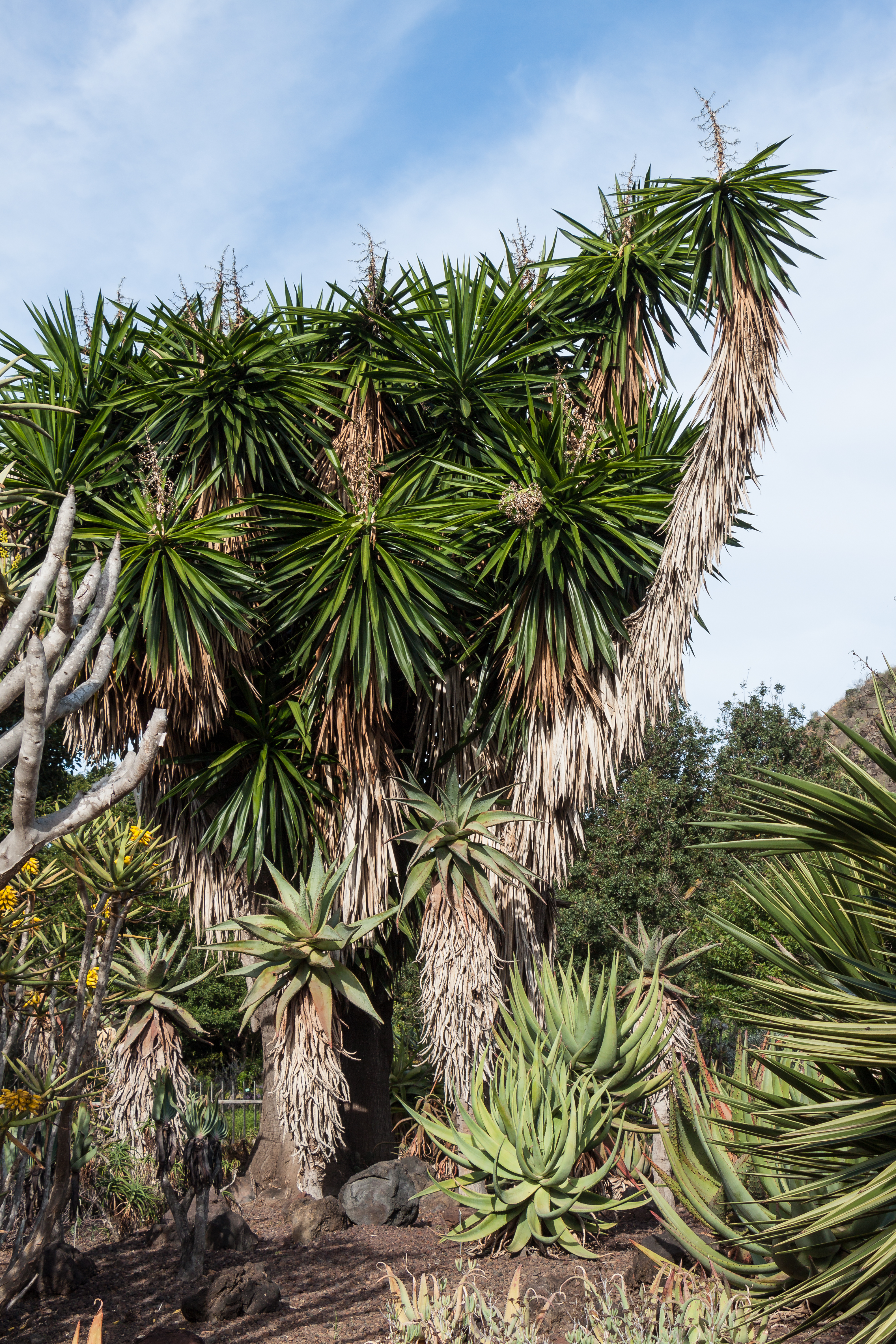
Yucca géant
ENYucca gigantea
Yunnan Firebelly Toad
VUBombina microdeladigitora
Zacualtipan Robber Frog
VUPristimantis verecundus

Zamurito
VUCalophysus macropterus
zandmuisspin
CRHaplodrassus umbratilis
The zandmuisspin faces severe threats from coastal development and recreational activities that destroy and fragment its specialized dune habitat. Natural succession that reduces open sandy areas, combined with climate change impacts on coastal ecosystems, further threatens the species' survival.
Zapote
VUPouteria fossicola
zapote de costa
VUManilkara pleeana

Zebra catfish
VUBrachyplatystoma juruense
Zedern-Klumpfuß
VUCortinarius bergeronii
zeeëgelkorst
ENPetractis clausa

Zeepje
VUCaryocolum fischerella
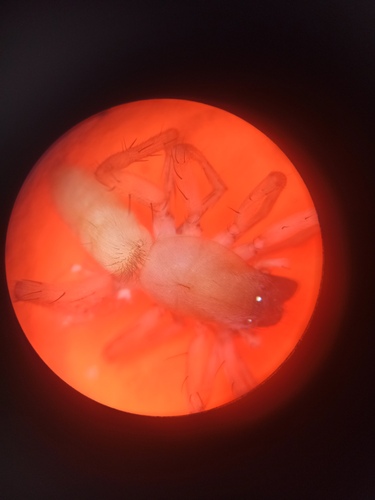
zeggezakspin
CRClubiona juvenis
The zeggezakspin faces severe threats from habitat destruction due to urban development and agricultural expansion, which have fragmented its specialized microhabitats. Additional pressures include pollution, pesticide use, and potential climate change impacts affecting both the species and its prey base.
Zeiller's Ground-cedar
VUDiphasiastrum zeilleri
Zeldzame moerwants
CRHesperocorixa moesta
Zeldzame moerwants faces severe threats from habitat degradation and loss of suitable aquatic environments across its limited range. Water pollution, eutrophication, and drainage of wetlands for agricultural and urban development have significantly reduced available breeding and feeding habitats. Climate change-induced alterations to water temperature and chemistry further compound these pressures on remaining populations.

zeldzame springspin
ENEvarcha laetabunda
zilte langlijf
ENSphaerophoria loewii
Zipperback
ENChrysotoxum elegans

Zitting Cisticola
CRCisticola juncidis
The Zitting Cisticola faces severe population declines due to widespread habitat destruction and degradation of wetland ecosystems. Agricultural intensification, urban development, and drainage of marshlands have significantly reduced suitable breeding and foraging areas across its range, while climate change threatens to alter precipitation patterns critical for maintaining its preferred grassland and wetland habitats.

Zodarion italien
CRZodarion italicum
Zodarion italicum faces severe threats from habitat loss and fragmentation due to urbanization and agricultural expansion across its Mediterranean range. The species' specialized habitat requirements and limited distribution make it particularly vulnerable to environmental changes and human disturbance.

zomerpanterspin
VUAlopecosa aculeata

zomerse glimmer
VUOrthonevra nobilis

Zoned Tooth
VUHydnellum concrescens
Zong's Odd-scaled Snake
CRAchalinus jinggangensis
Zong's Odd-scaled Snake faces severe threats from rapid habitat destruction and fragmentation in its limited range within the Jinggang Mountains region of China. The species' extremely restricted distribution makes it highly vulnerable to local environmental changes and human encroachment, while its secretive nature and specific habitat requirements further compound conservation challenges.
Zottige Byssuskoralle
VULentaria byssiseda
Zottigfilziger Rötling
VUEntoloma hirtum
zuiders waterezeltje
VUProasellus coxalis

Zwart knuppeltje
VUPhysocephala nigra
Zwarte drietandglimmer
CRAmara tricuspidata
Zwarte drietandglimmer (Amara tricuspidata) faces severe population declines due to habitat loss from agricultural intensification and urban development across its range. The species is particularly vulnerable to changes in soil structure and moisture regimes that affect its ground-dwelling lifestyle and prey availability.
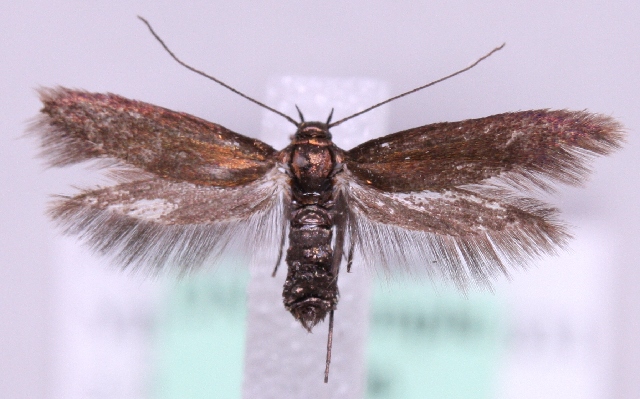
Zwarte weidedikkopmot
ENScythris disparella
zwartpootgitje
CRCheilosia nigripes
The zwartpootgitje faces severe threats from habitat loss and fragmentation of its specialized environments. Climate change may further impact the species through disruption of flowering plant communities that provide essential nectar sources. The species' extremely small population size and restricted range make it highly vulnerable to local extinction from any environmental disturbance.
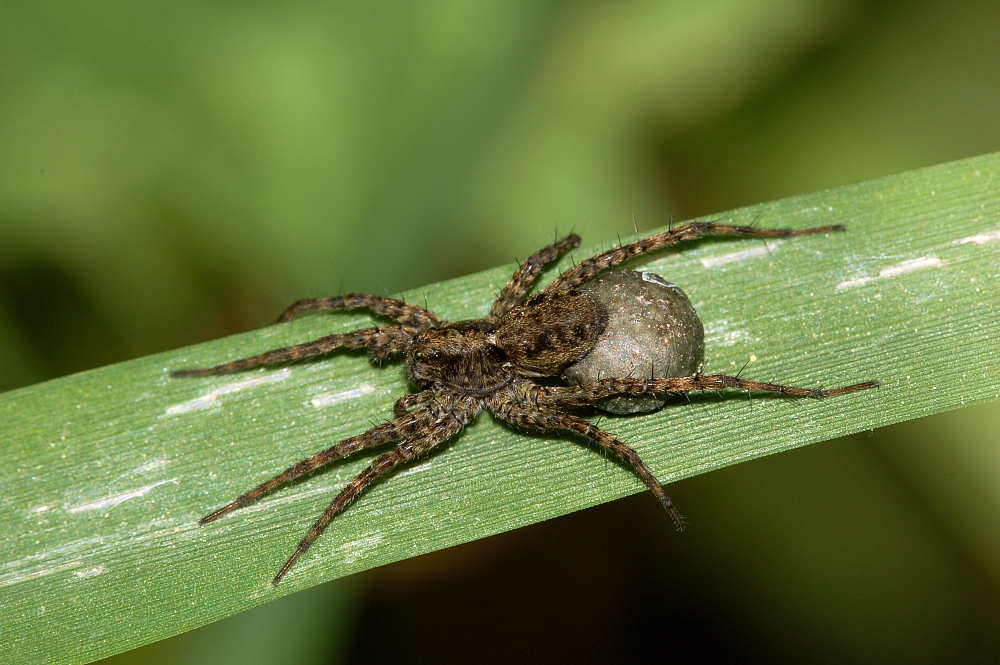
zwartstaartboswolfspin
VUPardosa lugubris
zwartstuithangmatspin
VUNeriene emphana
zweephangmatspin
VUMicrolinyphia impigra
Zweifarbiger Wasserkopf
VUCortinarius cagei
Zweifarbstieliger Rötling
VUEntoloma glaucobasis

Zypern-schlanknatter
ENHierophis cypriensis
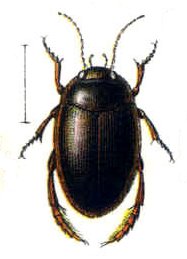
Аґабус фусціпенніс
ENAgabus fuscipennis
Білий трюфель
VUChoiromyces venosus
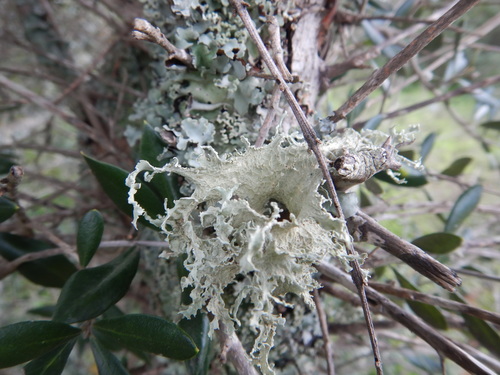
Рамаліна рвана
CRRamalina lacera
Ramalina lacera faces severe threats from air pollution and habitat degradation, as this lichen species is highly sensitive to atmospheric contaminants and changes in air quality. Urban expansion, industrial emissions, and climate change are causing widespread population declines across its range, with many historical localities now showing complete absence of this species.
Сцитініум шредера
CRScytinium schraderi
Scytinium schraderi faces severe threats from air pollution and habitat degradation, as this lichen species is extremely sensitive to atmospheric contaminants and changes in air quality. Urban expansion, industrial emissions, and climate-induced changes to precipitation patterns have significantly reduced suitable habitat and population viability across its range.
Темний нирець
VUHydroporus obscurus
Уснея заголена
VUUsnea glabrescens
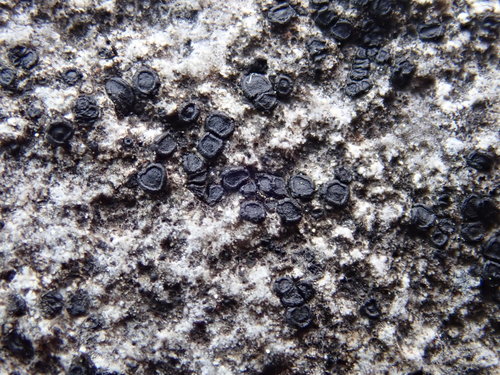
Фарнолдія юрська
CRFarnoldia jurana
Farnoldia jurana faces severe threats from air pollution and acid rain, which degrade the specific chemical conditions required for this crustose lichen's survival on limestone substrates. Climate change is altering precipitation patterns and temperature regimes in its montane habitats, while quarrying and development activities continue to destroy the calcareous rock formations it depends upon.
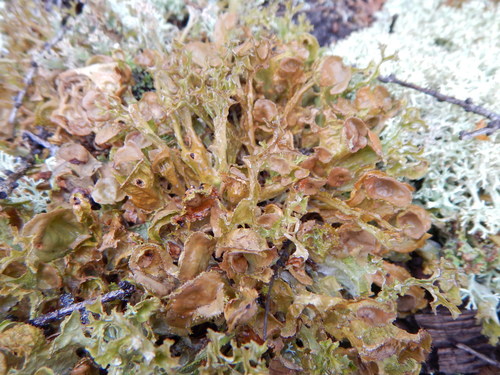
Цетрарія вересова
CRCetraria ericetorum
Cetraria ericetorum faces severe threats from air pollution, particularly nitrogen deposition and sulfur compounds, which dramatically alter the chemistry of its substrate and disrupt its slow-growing lichen physiology. Habitat destruction through urbanization, agricultural expansion, and intensive land management practices has eliminated many suitable sites, while climate change is shifting temperature and moisture regimes beyond the species' tolerance limits.

カンムリハナサンゴ
VUEuphyllia cristata