Zeiller's Ground-cedar
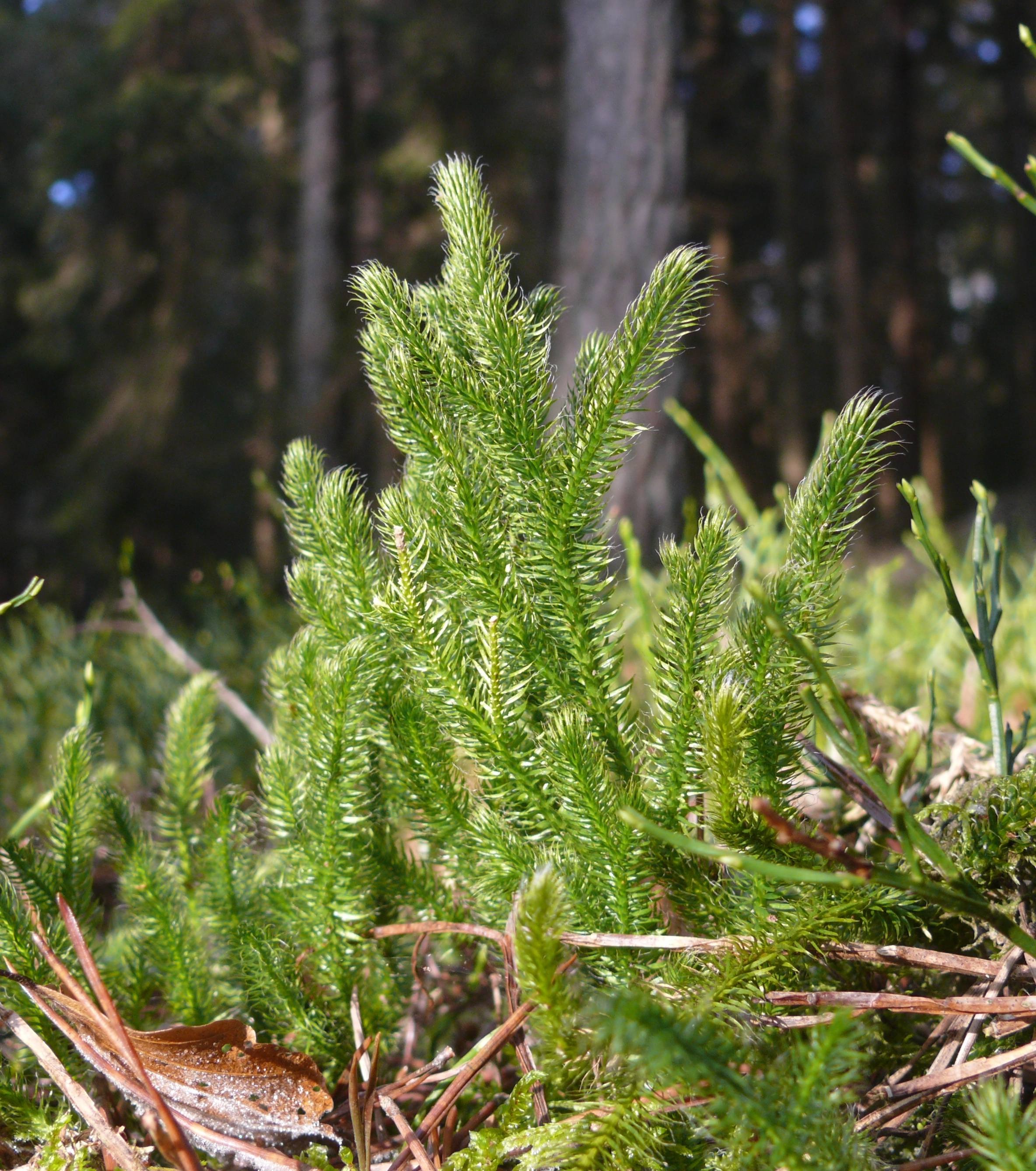
Diphasiastrum zeilleri
Overview
A detailed profile for this species is sourced from the IUCN Red List of Threatened Species as assessments become available.
Zeiller's Ground-cedar faces severe pressure from habitat fragmentation and degradation of its specialized montane forest environments. Climate change poses an additional threat as warming temperatures force this cold-adapted species to retreat to higher elevations with increasingly limited suitable habitat. Collection pressure for horticultural purposes and trampling from recreational activities in accessible mountain areas further compound population declines.
Habitat
This species inhabits cool, moist montane coniferous forests and subalpine zones, typically growing on acidic soils in shaded understory conditions. It is found at elevations between 800-2000 meters in mountainous regions of central and eastern Europe.
Other threatened species in Lycopodiaceae

Frequently asked questions
Why is Zeiller's Ground-cedar classified as Vulnerable?
Where does Zeiller's Ground-cedar live?
What are the main threats to Zeiller's Ground-cedar?
Get weekly conservation intelligence
One short digest a week of the most striking species and country data we ship, plus breaking conservation news paired with our database where it matters.
Free, no spam. One-click unsubscribe in every email.