
Haplodrassus umbratilis
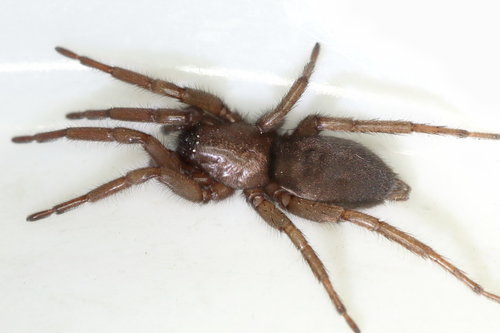
Photo: Photo: (c) Frederik Leck Fischer, all rights reserved, uploaded by Frederik Leck Fischer
Overview
The zandmuisspin (Haplodrassus umbratilis) is a ground spider species belonging to the family Gnaphosidae. This small, inconspicuous spider is endemic to coastal dune systems in the Netherlands, where it inhabits sandy environments with sparse vegetation. The species is characterized by its cryptic coloration and nocturnal hunting behavior, preying on small arthropods in its sandy habitat.
Haplodrassus umbratilis has an extremely restricted distribution, known only from a few locations along the Dutch coast. The species faces severe threats from habitat loss and degradation due to coastal development, recreational activities, and natural succession that reduces the open sandy areas it requires. Climate change poses additional risks through altered precipitation patterns and increased storm intensity that can modify dune ecosystems.
Urban expansion and infrastructure development have fragmented and eliminated much of the species' historical habitat. The spider's specialized habitat requirements and limited dispersal ability make it particularly vulnerable to environmental changes. Conservation efforts focus on habitat protection and management of remaining dune systems, including measures to maintain open sandy areas through controlled grazing or mechanical intervention.
Research is ongoing to better understand the species' ecology, population dynamics, and specific habitat requirements. Monitoring programs have been established at known locations to track population trends and assess the effectiveness of conservation measures. The species' critical conservation status reflects the urgent need for coordinated protection efforts to prevent extinction.
The zandmuisspin faces severe threats from coastal development and recreational activities that destroy and fragment its specialized dune habitat. Natural succession that reduces open sandy areas, combined with climate change impacts on coastal ecosystems, further threatens the species' survival.
Habitat
This species inhabits coastal sand dunes with sparse vegetation, requiring open sandy areas with minimal plant cover. It prefers well-drained sandy soils in dynamic dune systems along the Dutch coastline.
Other threatened species in Gnaphosidae
Threatened in Austria
Frequently asked questions
Why is Haplodrassus umbratilis classified as Critically Endangered?
Where does Haplodrassus umbratilis live?
What are the main threats to Haplodrassus umbratilis?
Get weekly conservation intelligence
One short digest a week of the most striking species and country data we ship, plus breaking conservation news paired with our database where it matters.
Free, no spam. One-click unsubscribe in every email.