
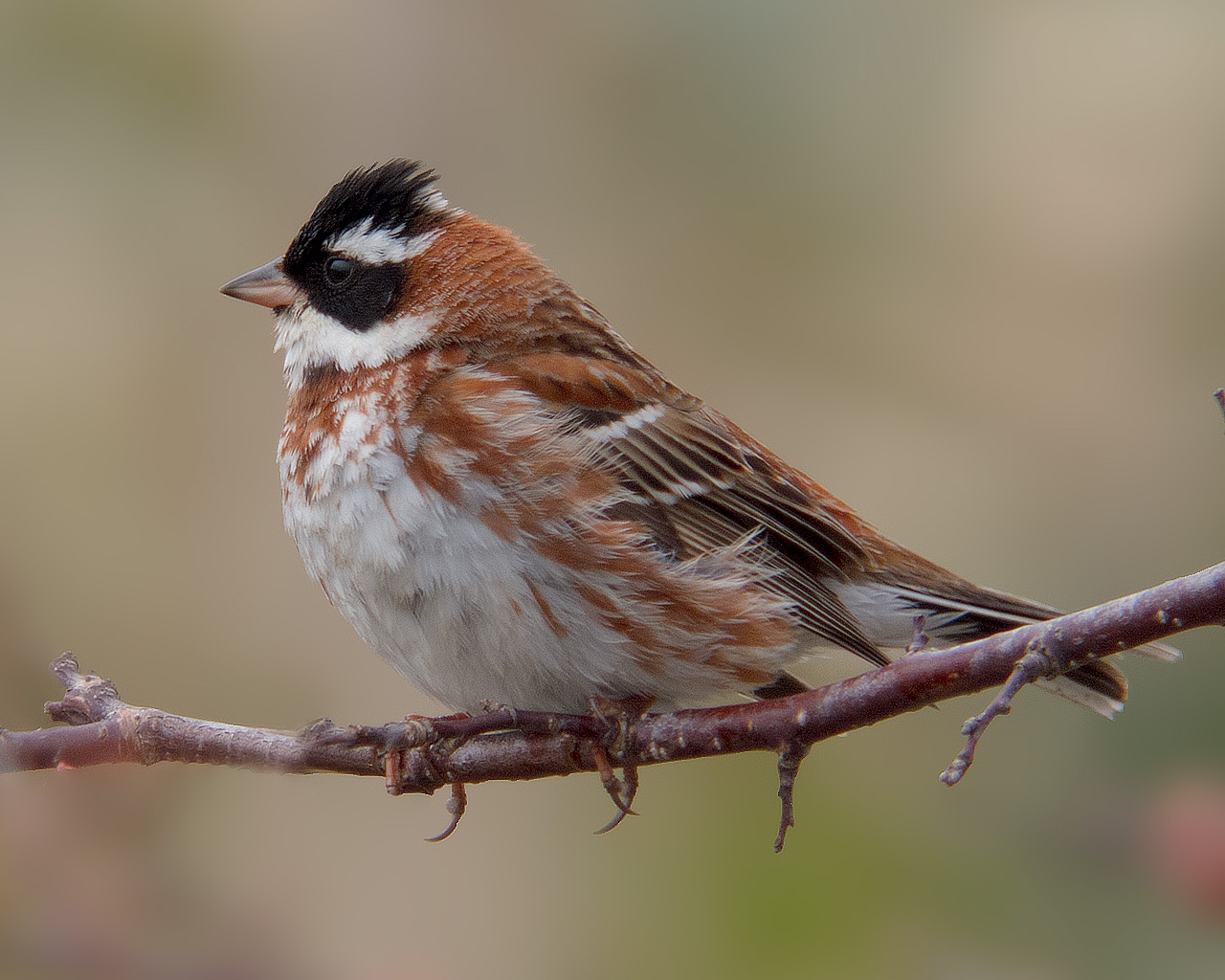
Eurasian Yellow Bunting
Emberiza citrinella
Photo: Wikimedia Commons (CC) via https://en.wikipedia.org/wiki/Yellowhammer
Overview
A detailed profile for this species is sourced from the IUCN Red List of Threatened Species as assessments become available.
The Yellowhammer has experienced severe population declines across Europe, with numbers falling by over 50% since the 1980s due to agricultural intensification. Modern farming practices have eliminated the mixed farmland mosaic of hedgerows, stubble fields, and weedy margins that this species requires for nesting and foraging. The widespread use of herbicides has reduced seed availability during critical winter months, while earlier crop harvesting removes essential food sources before the species completes its extended breeding season.
Habitat
Yellowhammers inhabit open countryside with mixed farmland, particularly areas with hedgerows, scrubland, and field margins. They prefer landscapes that combine arable fields with rough grassland, scattered bushes, and woodland edges, requiring both dense cover for nesting and open areas for foraging.
Other threatened species in Emberizidae



Frequently asked questions
Why is Eurasian Yellow Bunting classified as Vulnerable?
Where does Eurasian Yellow Bunting live?
What are the main threats to Eurasian Yellow Bunting?
Get weekly conservation intelligence
One short digest a week of the most striking species and country data we ship, plus breaking conservation news paired with our database where it matters.
Free, no spam. One-click unsubscribe in every email.