
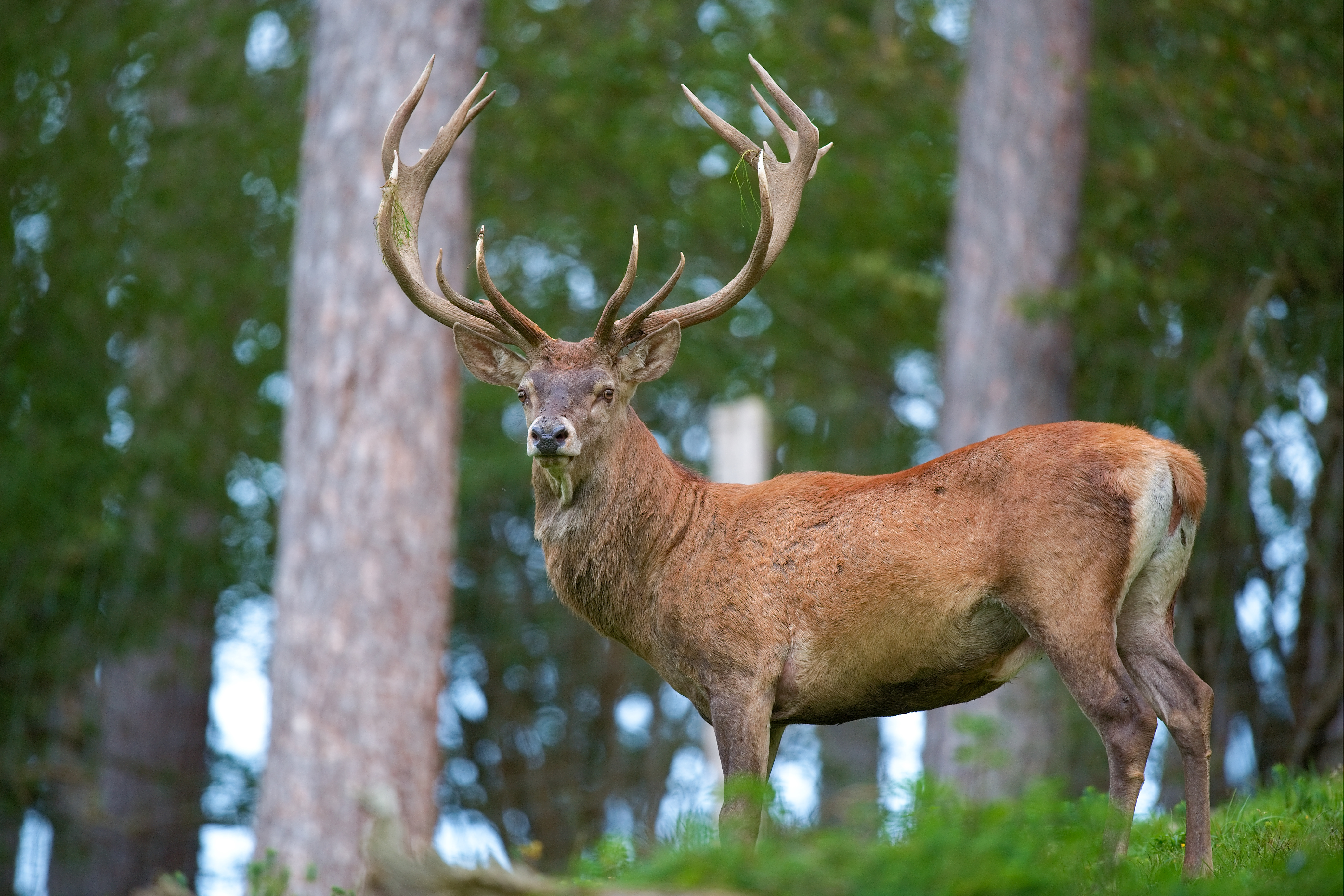
American Deer
Odocoileus virginianus
Photo: Wikimedia Commons (CC) via https://en.wikipedia.org/wiki/White-tailed_deer
Overview
A detailed profile for this species is sourced from the IUCN Red List of Threatened Species as assessments become available.
White-tailed Deer face severe population declines in certain regions due to habitat fragmentation from urban development and agricultural expansion, which isolates populations and reduces genetic diversity. Vehicle strikes on roads fragmenting their habitat cause significant mortality, while climate change alters vegetation patterns and increases disease transmission rates. Conservation status may vary by region or assessment authority, with some local populations experiencing critical declines despite broader species distribution.
Habitat
Deciduous and mixed forests, woodland edges, agricultural areas, grasslands, and shrublands from sea level to mountainous regions up to 3000m elevation. They utilize forest understory for cover and adjacent open areas including meadows, crop fields, and suburban landscapes for foraging.
Other threatened species in Cervidae

Frequently asked questions
Why is American Deer classified as Critically Endangered?
Where does American Deer live?
What are the main threats to American Deer?
Get weekly conservation intelligence
One short digest a week of the most striking species and country data we ship, plus breaking conservation news paired with our database where it matters.
Free, no spam. One-click unsubscribe in every email.