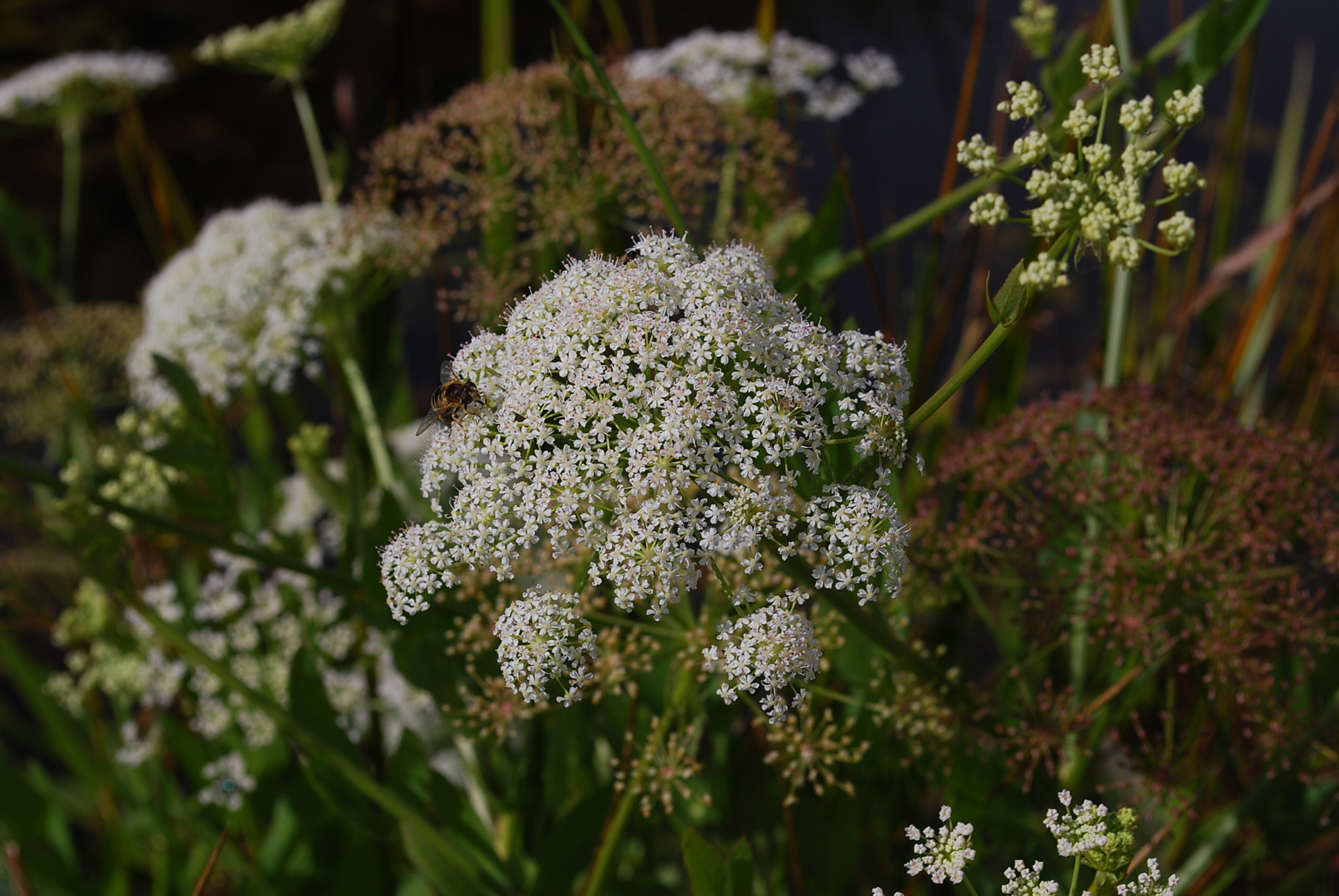
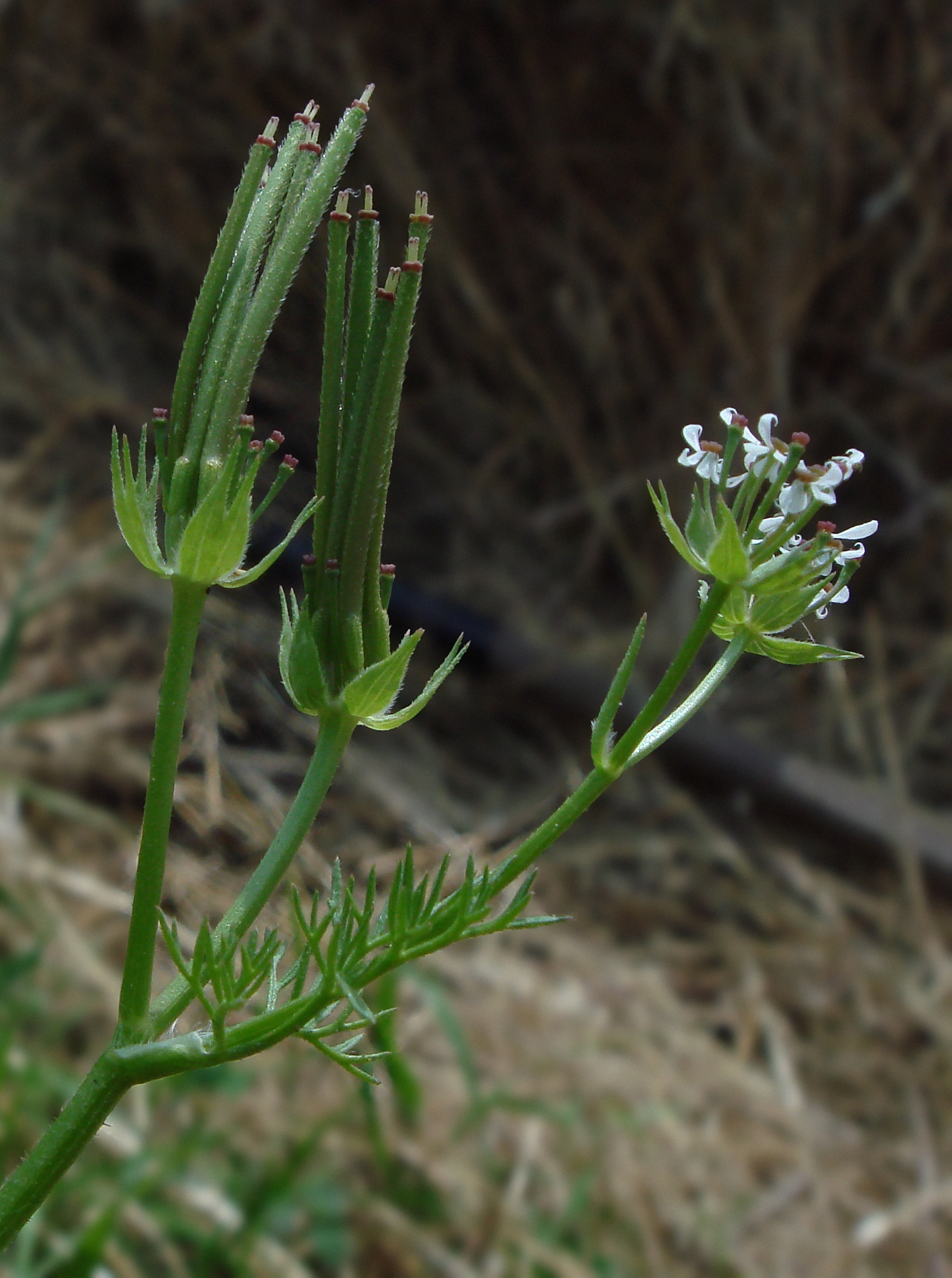
wild celery
CRCritically Endangered

wild celery

Apium graveolens

Conservation status data sourced from the IUCN Red List of Threatened Species.

Photo: Wikimedia Commons (CC) via https://en.wikipedia.org/wiki/Apium_graveolens

01Classification

Taxonomy & Classification

Kingdom

Plantae

Phylum

Tracheophyta

Class

Magnoliopsida

Order

Apiales

Family

Apiaceae

Genus

Apium

wild celery belongs to the family Apiaceae, order Apiales, within the Magnoliopsida class.

02Description

Species Profile

Species profile data sourced from the IUCN Red List of Threatened Species.

Wild celery faces severe threats from habitat destruction as coastal wetlands and salt marshes are drained for agriculture and urban development. Climate change and sea level rise further threaten these specialized habitats, while invasive species compete for resources in remaining suitable areas.

Key Facts

IUCN StatusCritically Endangered (CR)
GroupPlants
03Habitat

Habitat & Distribution

Wild celery occurs in coastal salt marshes, brackish wetlands, and muddy shores along estuaries and tidal flats. It also inhabits freshwater marshes, ditches, and wet meadows in lowland areas, typically in saline or nutrient-rich soils.

TERRESTRIALMajorTERRESTRIALMajorTERRESTRIALMajor
04Threats

Threats

!

IUCN Red List: Critically Endangered

Wild celery faces severe threats from habitat destruction as coastal wetlands and salt marshes are drained for agriculture and urban development. Climate change and sea level rise further threaten these specialized habitats, while invasive species compete for resources in remaining suitable areas.

Agricultural conversion of coastal areas

HighOngoing

Sea level rise and coastal erosion

HighOngoing

Wetland habitat destruction and drainage

HighOngoing

Invasive species competition

MediumOngoing

Urban and industrial development

MediumOngoing
07National Status

National vs Global Threat Status

How this species is assessed at the national level compared to its IUCN global status (CR).

CountryNational StatusGlobal StatusComparison
EULCLeast ConcernCRCritically EndangeredLower local risk

National Red List data sourced from the National Red List Project (nationalredlist.org, ZSL) and country-specific Red List authorities.

Community

Community Sightings

Report a sighting

No community sightings yet. Be the first to report!

07Sources

Sources & Attribution

How to Cite

IUCN: IUCN (2025). The IUCN Red List of Threatened Species. Version 2025-1. Available at: https://www.iucnredlist.org. doi:10.2305/IUCN.UK.2025-1.RLTS

GBIF: GBIF.org (2025). GBIF Home Page. Available at: https://www.gbif.org

National Red Lists: ZSL (2025). National Red List. Zoological Society of London. Available at: https://www.nationalredlist.org

This page: SpeciesRadar (2025). wild celery (Apium graveolens). SpeciesRadar: Intelligence for Earth's Biodiversity. Available at: https://speciesradar.org/species/wild-celery-5371879

Full citation guide & data usage terms