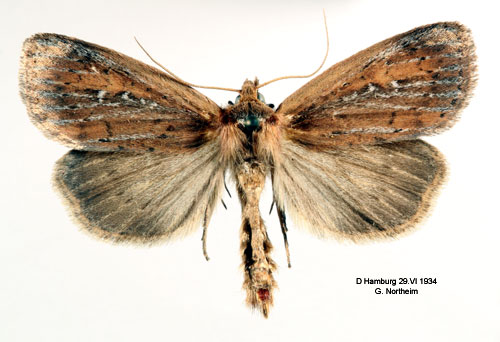
White-mantled Wainscot
Archanara neurica
Photo: Wikimedia Commons (CC) via https://en.wikipedia.org/wiki/Archanara_neurica
Overview
A detailed profile for this species is sourced from the IUCN Red List of Threatened Species as assessments become available.
The White-mantled Wainscot faces severe population declines primarily due to the destruction and degradation of its specialized wetland habitats. Agricultural intensification, urban development, and water management practices have eliminated many of the pristine reed beds and sedge marshes essential for this moth's survival. Climate change compounds these pressures by altering precipitation patterns and water levels in remaining wetland sites, while pollution from agricultural runoff degrades water quality in critical breeding areas.
Habitat
This specialized moth inhabits pristine wetland environments including reed beds, sedge marshes, and coastal saltmarshes where its larvae feed exclusively on specific grass and sedge species. The species requires high-quality wetland sites with stable water levels and minimal disturbance, making it particularly vulnerable to habitat modification.
Other threatened species in Noctuidae
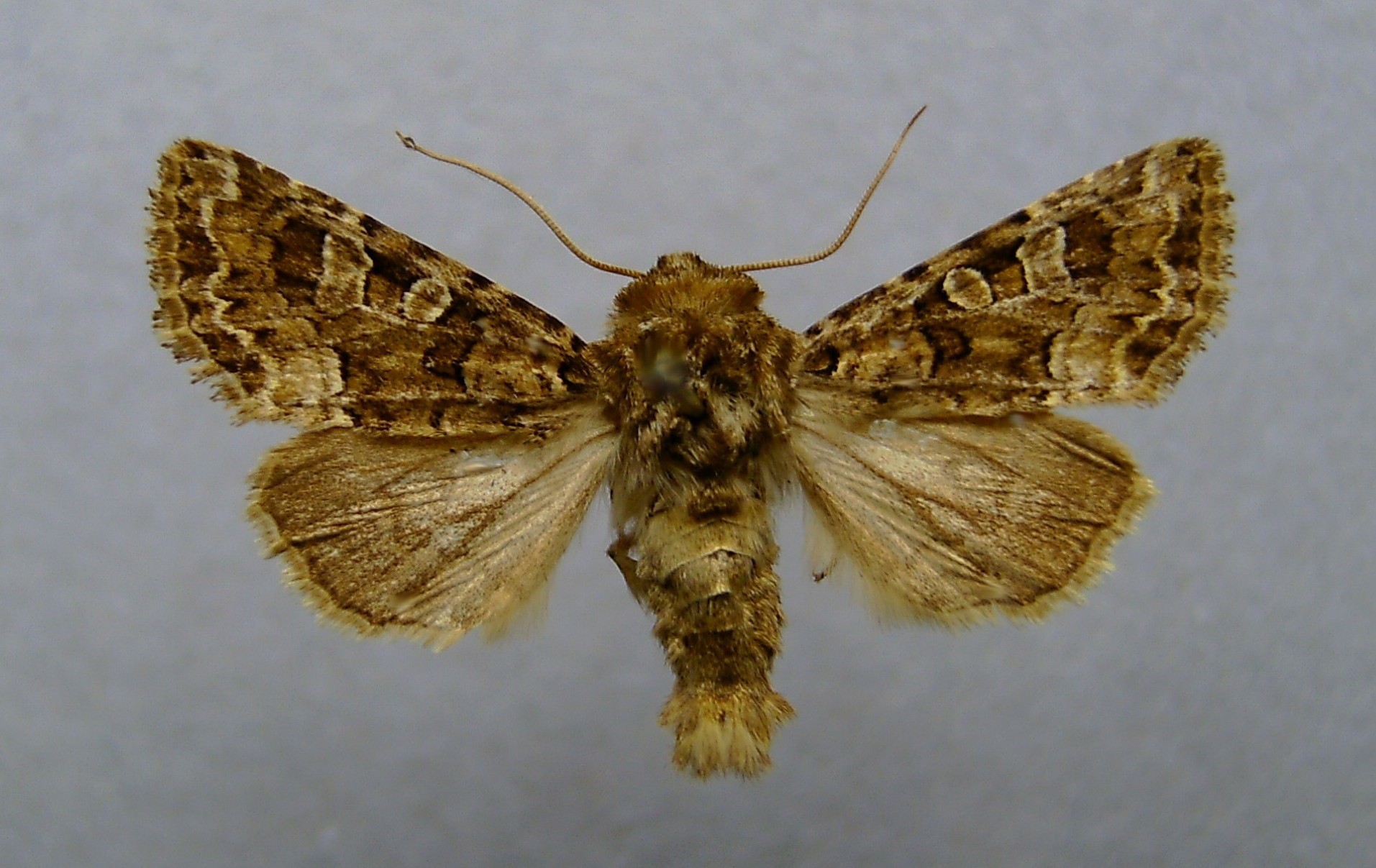
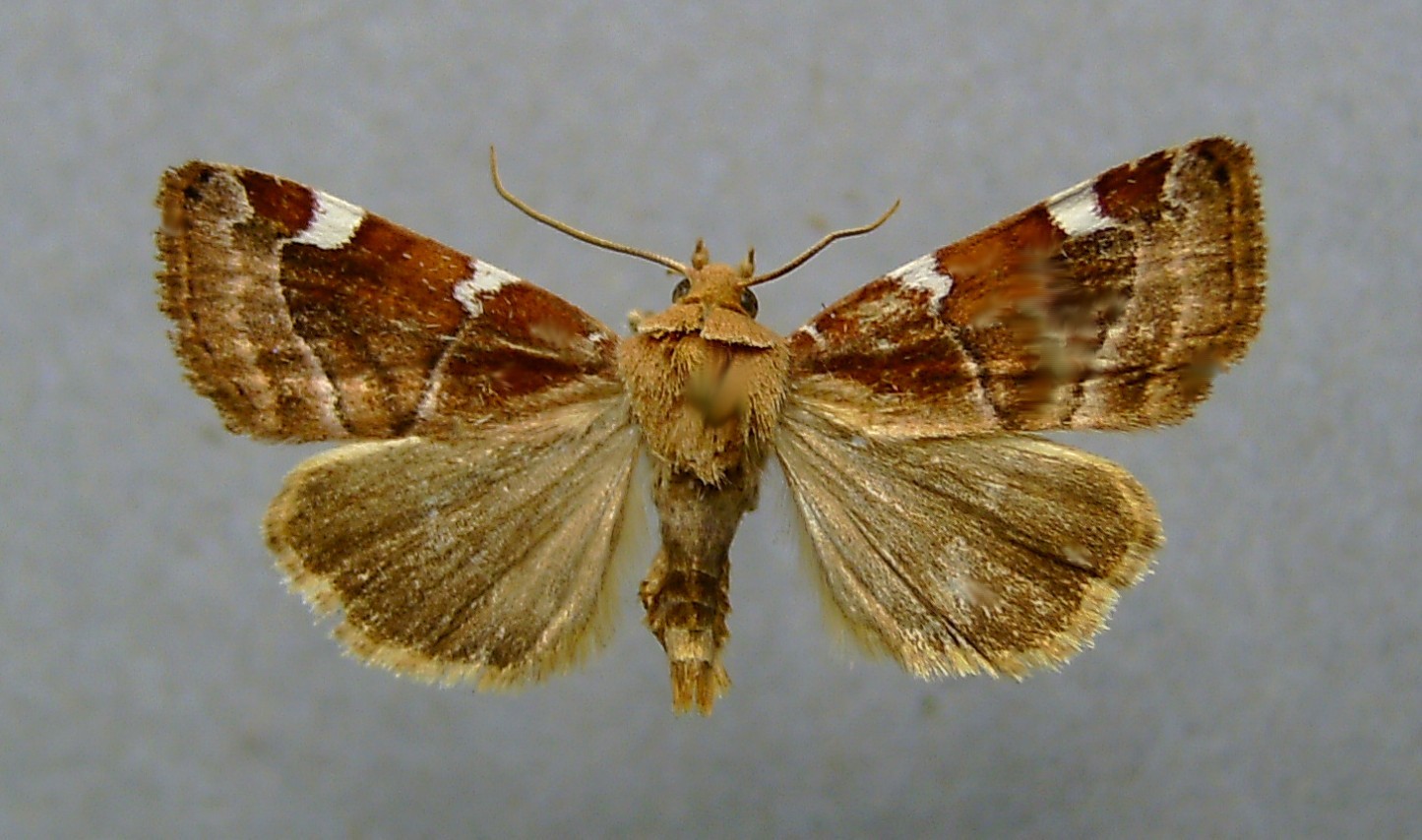

Threatened in Austria
Frequently asked questions
Why is White-mantled Wainscot classified as Vulnerable?
Where does White-mantled Wainscot live?
What are the main threats to White-mantled Wainscot?
Get weekly conservation intelligence
One short digest a week of the most striking species and country data we ship, plus breaking conservation news paired with our database where it matters.
Free, no spam. One-click unsubscribe in every email.