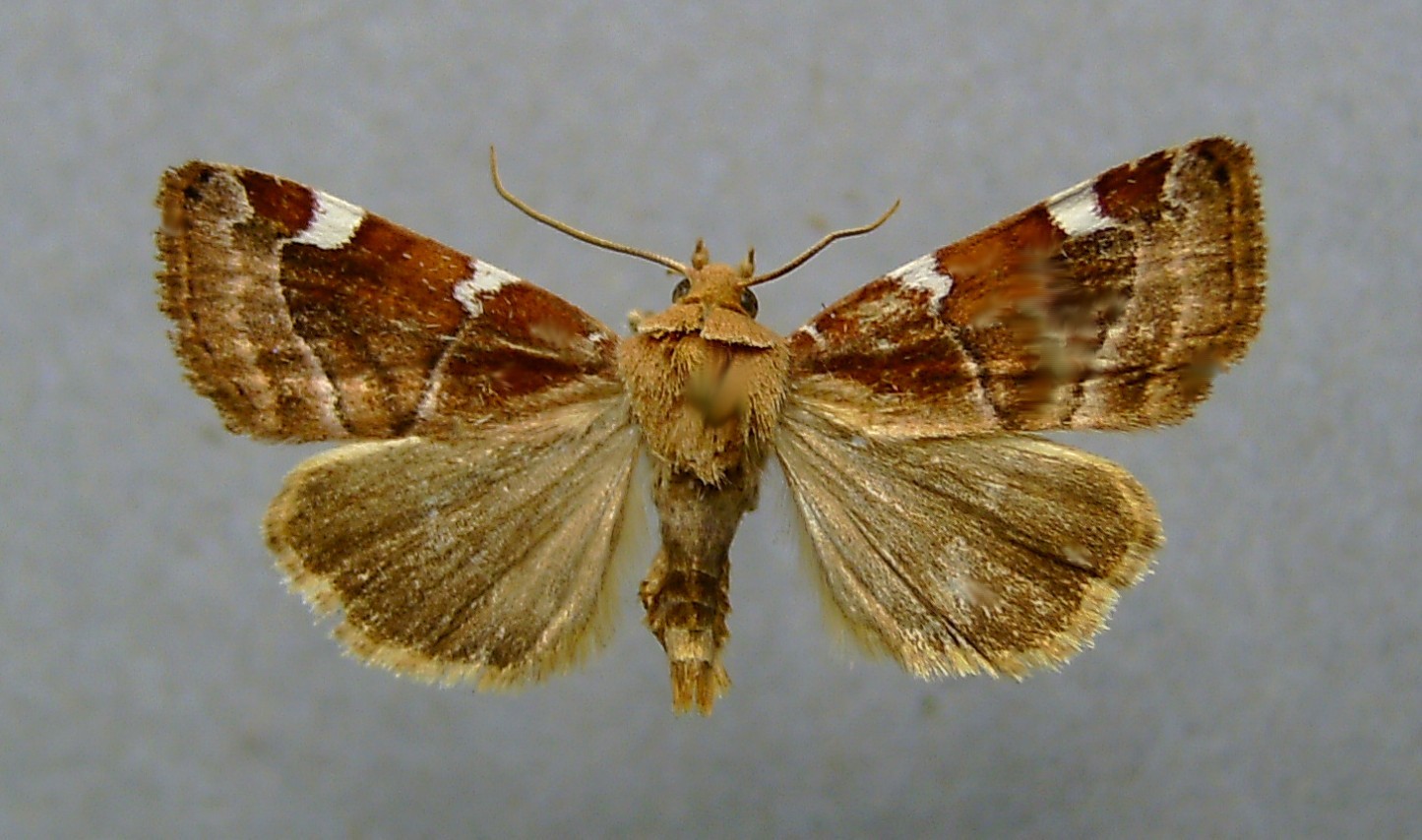
White-spotted Pinion
Cosmia diffinis
Photo: Wikimedia Commons (CC) via https://en.wikipedia.org/wiki/Cosmia_diffinis
Overview
A detailed profile for this species is sourced from the IUCN Red List of Threatened Species as assessments become available.
The White-spotted Pinion faces severe population declines primarily due to the loss and degradation of its specialized woodland habitats across Europe. Agricultural intensification and urban development have fragmented the mature deciduous forests this species requires for breeding and larval development. Climate change is altering the timing of host plant availability, disrupting the moth's synchronized life cycle with its preferred food sources including elm and poplar trees.
Habitat
The White-spotted Pinion inhabits mature deciduous and mixed woodlands across Europe, particularly favoring areas with elm, poplar, and willow trees. This nocturnal moth requires well-established forest ecosystems with diverse understory vegetation and minimal human disturbance for successful reproduction and larval development.
Other threatened species in Noctuidae
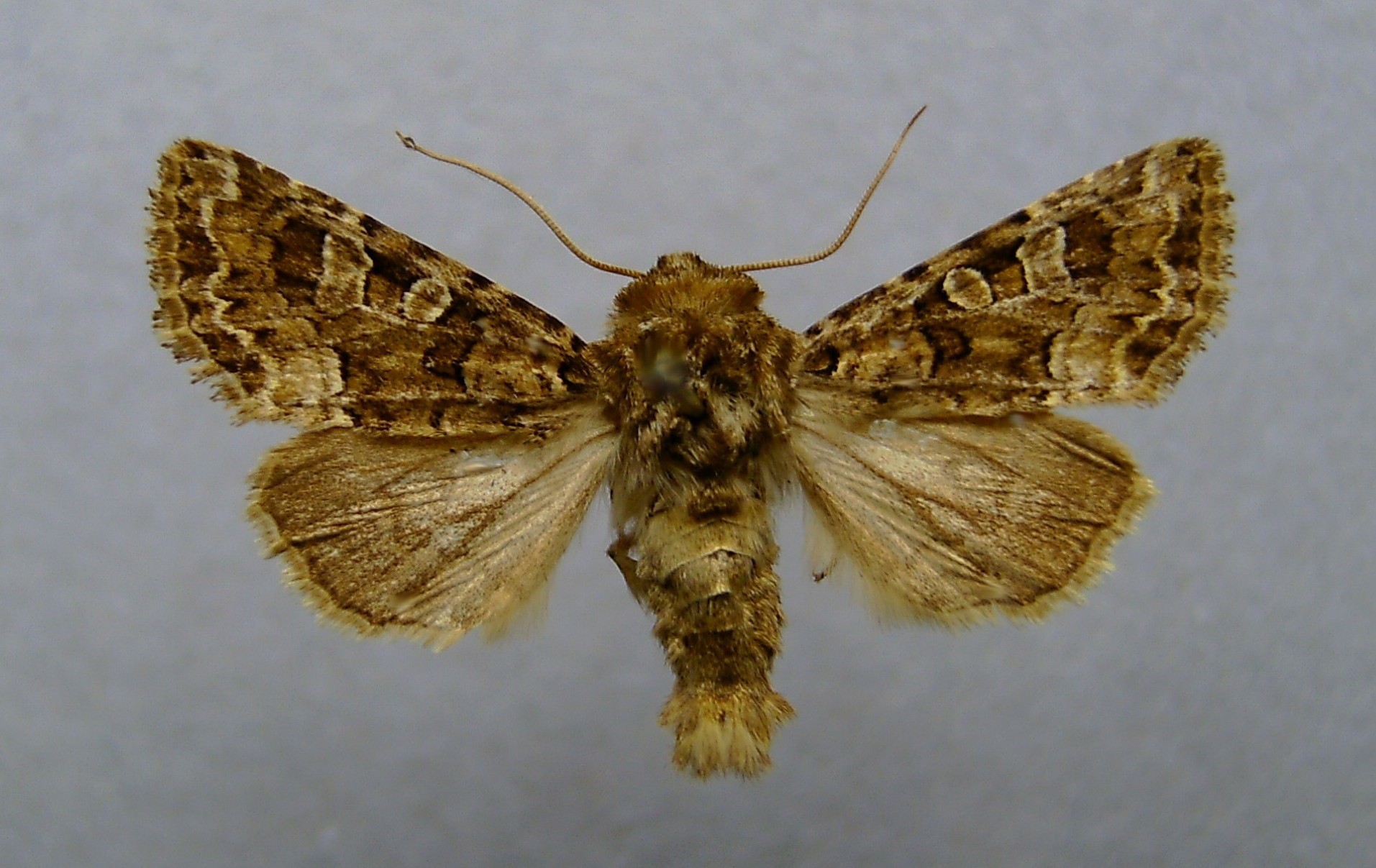

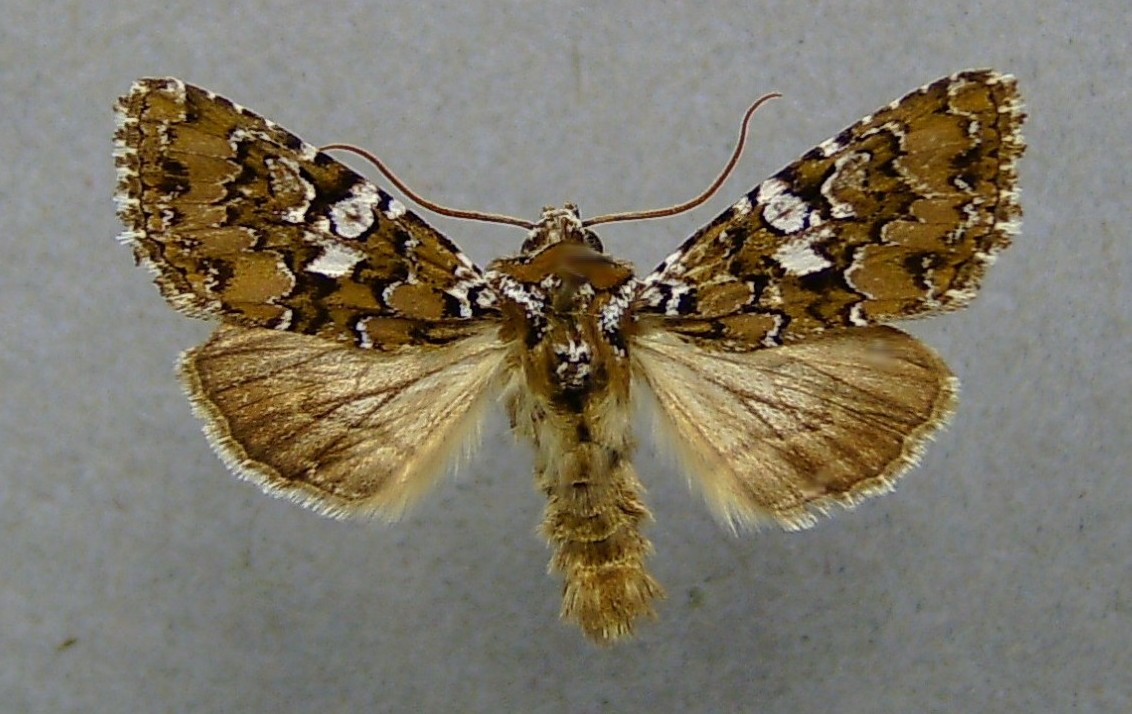
Threatened in Austria
Frequently asked questions
Why is White-spotted Pinion classified as Vulnerable?
Where does White-spotted Pinion live?
What are the main threats to White-spotted Pinion?
Get weekly conservation intelligence
One short digest a week of the most striking species and country data we ship, plus breaking conservation news paired with our database where it matters.
Free, no spam. One-click unsubscribe in every email.