
Wide-leaf low sedge
Carex pediformis
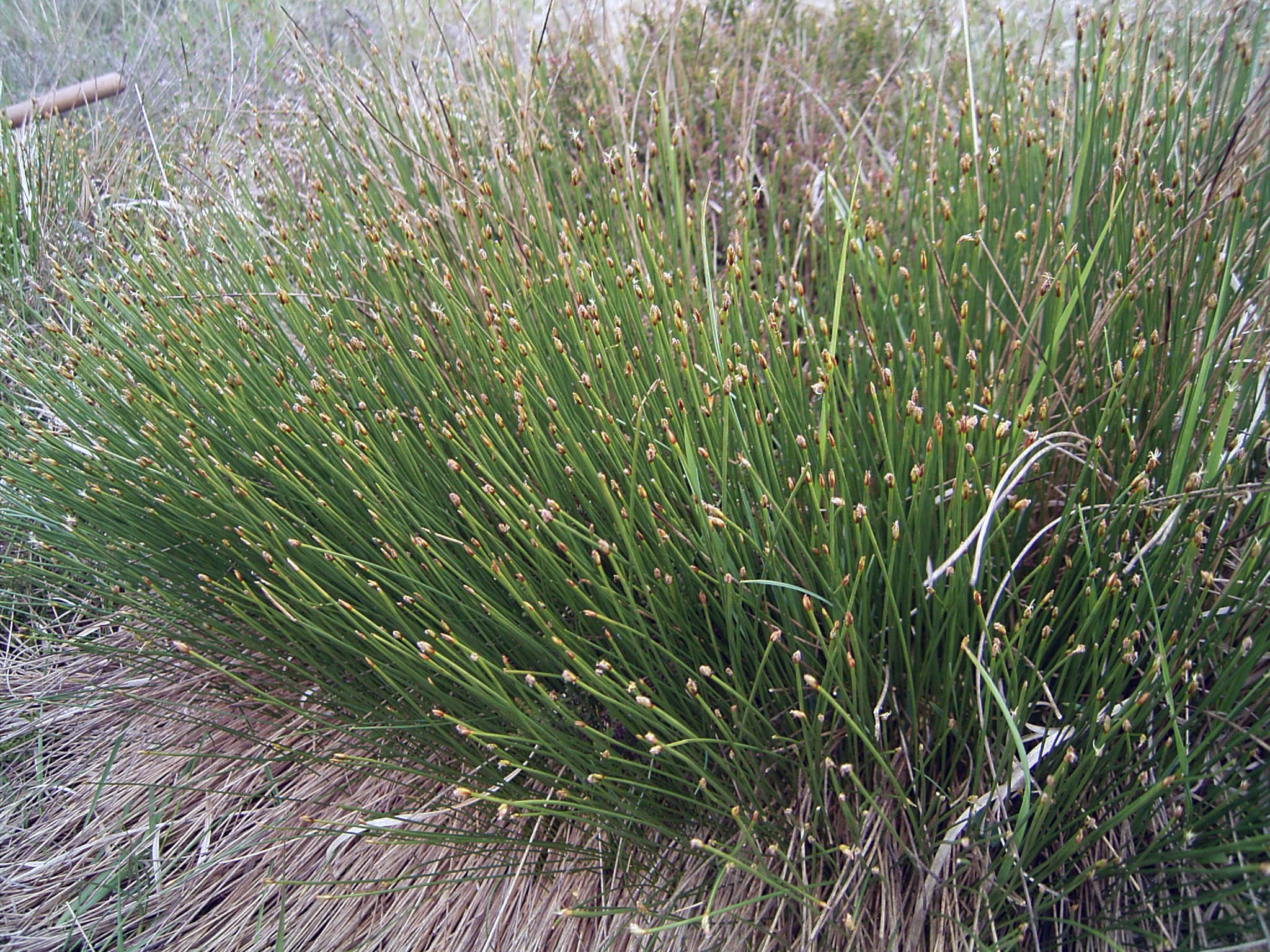
Photo: Wikimedia Commons (CC) via https://en.wikipedia.org/wiki/Carex_pediformis
Overview
A detailed profile for this species is sourced from the IUCN Red List of Threatened Species as assessments become available.
Wide-leaf low sedge faces significant pressure from agricultural expansion and intensive grazing, which degrades the specialized grassland and steppe habitats it requires. Climate change poses an additional threat through altered precipitation patterns and increased drought frequency, affecting the moisture regimes essential for this sedge's survival. Habitat fragmentation from infrastructure development further isolates remaining populations, reducing genetic diversity and limiting natural dispersal.
Habitat
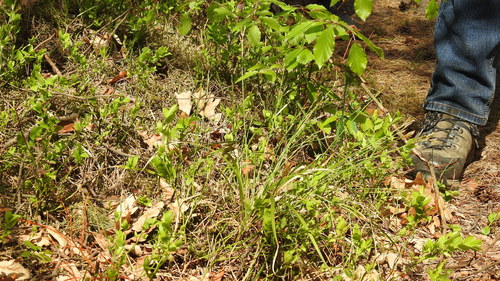
Wide-leaf low sedge inhabits dry grasslands, steppes, and prairie margins across temperate regions, typically growing in well-drained soils with moderate moisture levels. It favors open habitats with minimal tree cover and is often found in association with other native grasses and forbs in natural grassland ecosystems.
Other threatened species in Cyperaceae


Frequently asked questions
Why is Wide-leaf low sedge classified as Vulnerable?
Where does Wide-leaf low sedge live?
What are the main threats to Wide-leaf low sedge?
Get weekly conservation intelligence
One short digest a week of the most striking species and country data we ship, plus breaking conservation news paired with our database where it matters.
Free, no spam. One-click unsubscribe in every email.