Species Explorer
Browse and search species from the IUCN Red List and GBIF.
54,666 species

stortapetserarbi
CRMegachile lagopoda
The primary threats to Megachile lagopoda include habitat loss from agricultural intensification and urbanization, which have reduced available nesting sites and food sources. Climate change may be disrupting the timing between the bee's life cycle and flowering periods of its preferred plants. Habitat fragmentation has isolated remaining populations, potentially reducing genetic diversity and breeding success.

Stout Dart
ENSpaelotis ravida
stråflommattevever
ENBathyphantes setiger
Stråmand
VUBagous elegans
strandblocklav
VUPorpidia hydrophila
Strandhafer-Spornzikade
ENGravesteiniella boldi
strandkrimmerlav
ENRinodina luridescens
strandmalörtsgallvecklare
CREucosma krygeri
Eucosma krygeri faces severe threats from habitat loss due to coastal development and agricultural conversion of its specialized dune and grassland habitats. Climate change poses additional risks through altered precipitation patterns and increased storm intensity affecting its narrow coastal range, while the species' highly restricted distribution makes it extremely vulnerable to local extinctions.
strandsenapvivel
CRCeutorhynchus scapularis
Ceutorhynchus scapularis faces severe population declines due to intensive agricultural practices that eliminate its host plants and apply harmful pesticides. Habitat fragmentation from agricultural expansion and urban development has isolated remaining populations, while climate change is altering the distribution and phenology of both the weevil and its cruciferous host plants.
strandstenslav
CRAspicilia aquatica
Aspicilia aquatica faces severe threats from habitat degradation due to water pollution, eutrophication, and altered hydrology of freshwater systems. Climate change and increased frequency of extreme weather events further threaten the specialized aquatic environments this lichen requires, while its limited distribution makes populations particularly vulnerable to local extinctions.
strandtrådtusenbein
ENThalassisobates littoralis
strandveronikefjädermott
VUStenoptilia veronicae
strandveronikemal
VUAcompsia subpunctella

strandzoutloper
CRPogonus littoralis
The strandzoutloper faces severe threats from coastal habitat loss due to sea level rise, coastal development, and human disturbance of its specialized salt marsh environments. Climate change is particularly devastating as it alters the delicate salinity balance and tidal patterns essential for this species' survival, while coastal infrastructure development continues to fragment and destroy remaining suitable habitat.
Straw Conch
VUCochylimorpha straminea

Strawberry Pigmy
VUEctoedemia arcuatella
strawflower
VUHelichrysum arenarium

Streak-chested Antpitta
VUHylopezus perspicillatus
Streaky Feather-moss
ENBrachythecium glareosum
Stream Bogmoss
CRMayaca fluviatilis
Stream Bogmoss faces severe threats from habitat degradation due to water pollution, agricultural runoff, and urban development that alter the delicate water chemistry and flow patterns of its freshwater habitats. The species' specialized requirements for clean, slow-moving or still waters make it particularly vulnerable to human activities that modify aquatic ecosystems. Climate change further exacerbates these pressures by altering precipitation patterns and water temperatures.

Stream Terrapin
ENCyclemys oldhami
streamside bryum moss
VUBryum riparium
Streamside Hygroamblystegium Moss
CRHygroamblystegium fluviatile
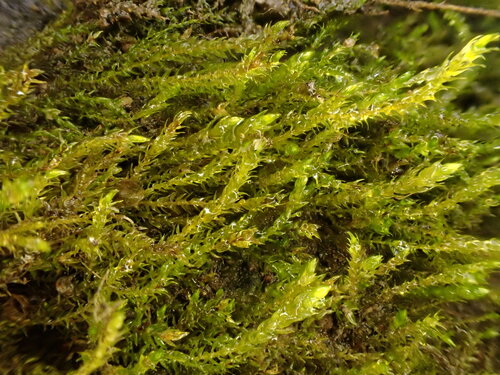
Streamside Hygroamblystegium Moss faces severe threats from habitat degradation due to water pollution, altered hydrology from dam construction and water diversions, and climate change impacts on freshwater systems. The species' dependence on specific moisture and water quality conditions in riparian environments makes it extremely vulnerable to human activities that modify natural waterways and their immediate surroundings.
Streamside Schistidium Moss
CRSchistidium rivulare
Streamside Schistidium Moss faces severe threats from habitat degradation due to water pollution, altered hydrology from dam construction and water diversions, and climate change impacts on streamflow patterns. Its specialized requirement for clean, fast-flowing water makes it particularly vulnerable to human activities that modify aquatic ecosystems and water quality.

streckad fältmalörtsplattmal
ENDepressaria artemisiae

streepfopwesp
ENChrysotoxum vernale
Streifenspornzikade
VUEurysa lineata
Striated Earthstar
VUGeastrum striatum

Striated Softtail
VUThripophaga macroura
Strict Haircap
VUPolytrichum strictum
Striegeliger Schirmling
VULepiota echinella

String Sedge
ENCarex chordorrhiza
Stripe-winged Grasshopper
CRStenobothrus lineatus
The Stripe-winged Grasshopper faces severe threats from habitat loss due to agricultural intensification and urban development, which have eliminated much of its specialized calcareous grassland habitat. Changes in land management practices, including both the intensification of agriculture and abandonment of traditional grazing, have further reduced suitable habitat availability.

Striped Ermel
CREthmia pusiella
The Striped Ermel faces severe threats from habitat loss and fragmentation caused by agricultural expansion and urban development. Climate change and light pollution further compromise the species' survival by disrupting essential ecological conditions and natural behaviors. The moth's specialized habitat requirements and limited dispersal ability make it particularly vulnerable to these environmental pressures.
Striped Horsefly
VUHybomitra expollicata

Striped mojarra
VUEugerres plumieri
Strohweißer Risspilz
VUInocybe fibrosoides
strutlav
CRGomphillus calycioides
Gomphillus calycioides faces severe threats from habitat destruction due to deforestation and urbanization of its specialized forest environments. Climate change poses additional risks by altering the delicate moisture and temperature conditions required for this lichen species to survive. The species' extremely limited distribution and specific ecological requirements make it particularly vulnerable to environmental changes.

strylavgelésopp
CRBiatoropsis usnearum
Strylavgelésopp faces severe threats from air pollution and acid rain, which degrade the air quality essential for this epiphytic lichen's survival. Climate change is altering precipitation patterns and temperature regimes, disrupting the delicate moisture balance required by this species. Habitat loss through deforestation and urban development continues to eliminate suitable host trees and forest ecosystems.

Stub-tailed Antbird
VUMyrmeciza berlepschi

stuifzandglimmer
CRAmara quenseli
Amara quenseli faces severe threats from habitat loss due to agricultural intensification and urban development in its specialized sandy soil environments. Climate change and altered precipitation patterns further threaten the stability of its fragmented populations across northern European regions.

Stump lichen
CRCladonia botrytes
Stump lichen faces severe threats from habitat destruction due to deforestation and urban development, which eliminates the decaying wood substrates essential for its survival. Air pollution and acid rain significantly impact this sensitive species, while climate change alters the specific moisture and temperature conditions required for its growth and reproduction.
Stump Pinkgill
VUEntoloma euchroum
stumpvingeharkrank
ENTipula autumnalis
stuvdverglav
CRRamonia subsphaeroides
Ramonia subsphaeroides faces severe population declines due to widespread habitat destruction from deforestation and urban development across its limited range. The species' highly specialized ecological requirements and small, fragmented populations make it extremely vulnerable to environmental changes and human disturbance.

Styltetæge
VUNeides tipularius
styv glandelfibbla
VUHieracium subglaucovirens
styvskinnsmal
ENNemapogon gliriella

Styx Black-footed Reindeer Lichen
ENCladonia stygia

Subterranean small dung beetle
ENEupleurus subterraneus