
Black-footed Reindeer Lichen
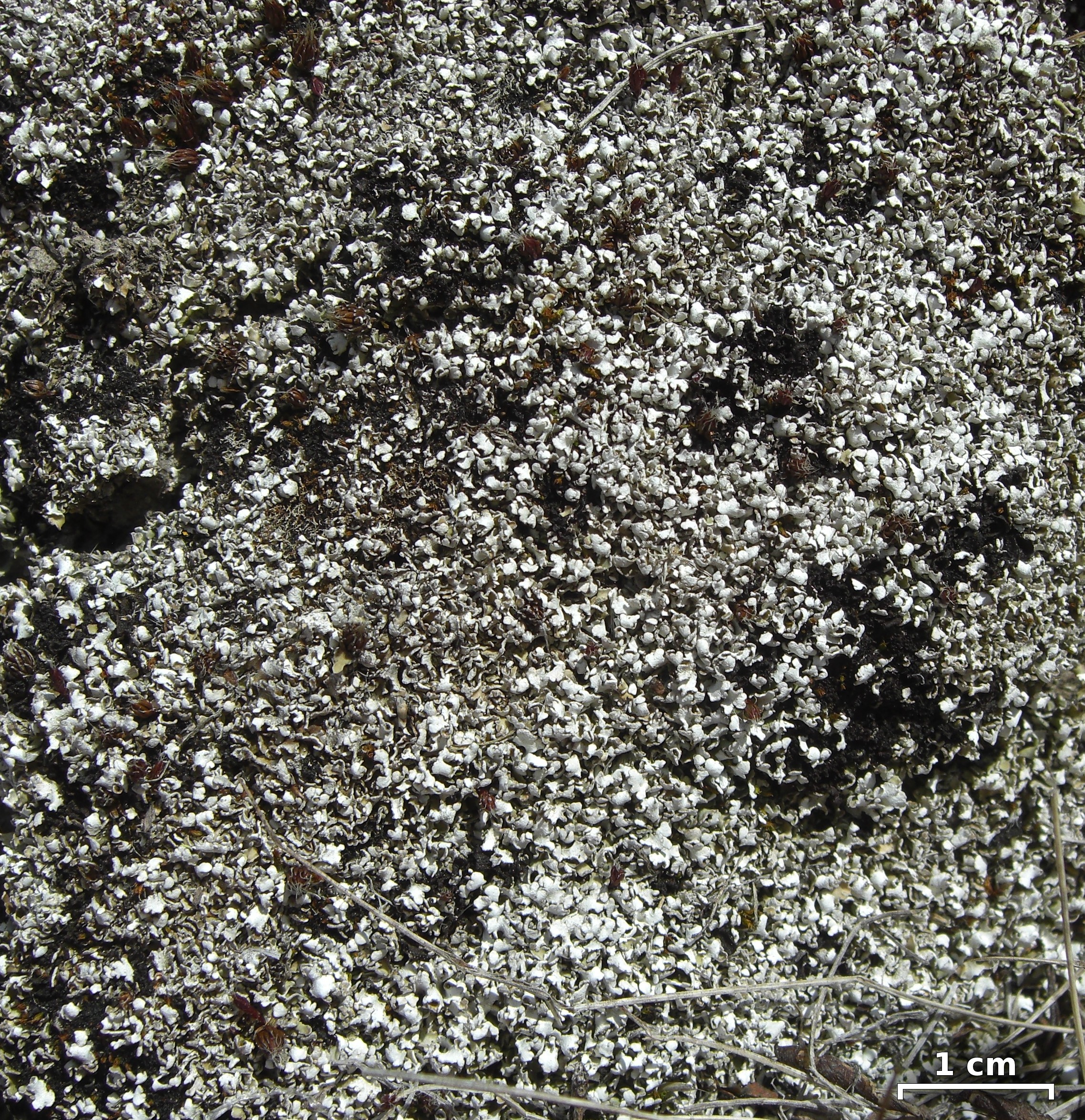
Cladonia stygia
Photo: Wikimedia Commons (CC) via https://en.wikipedia.org/wiki/Cladonia_stygia
Overview
A detailed profile for this species is sourced from the IUCN Red List of Threatened Species as assessments become available.
Cladonia stygia faces severe decline from atmospheric pollution, particularly nitrogen deposition and acid rain, which alter the chemical composition of its substrate and disrupt its slow-growing symbiotic relationship. Climate change compounds these pressures by increasing temperature and humidity fluctuations that exceed the species' narrow tolerance range. Habitat fragmentation from infrastructure development further isolates remaining populations, preventing genetic exchange and reducing resilience to environmental stressors.
Habitat
This lichen species inhabits arctic and subarctic tundra environments, growing on acidic soils and rock surfaces in areas with minimal human disturbance. It requires specific microclimate conditions with consistent moisture levels and clean air quality, typically found in remote northern regions with stable permafrost conditions.
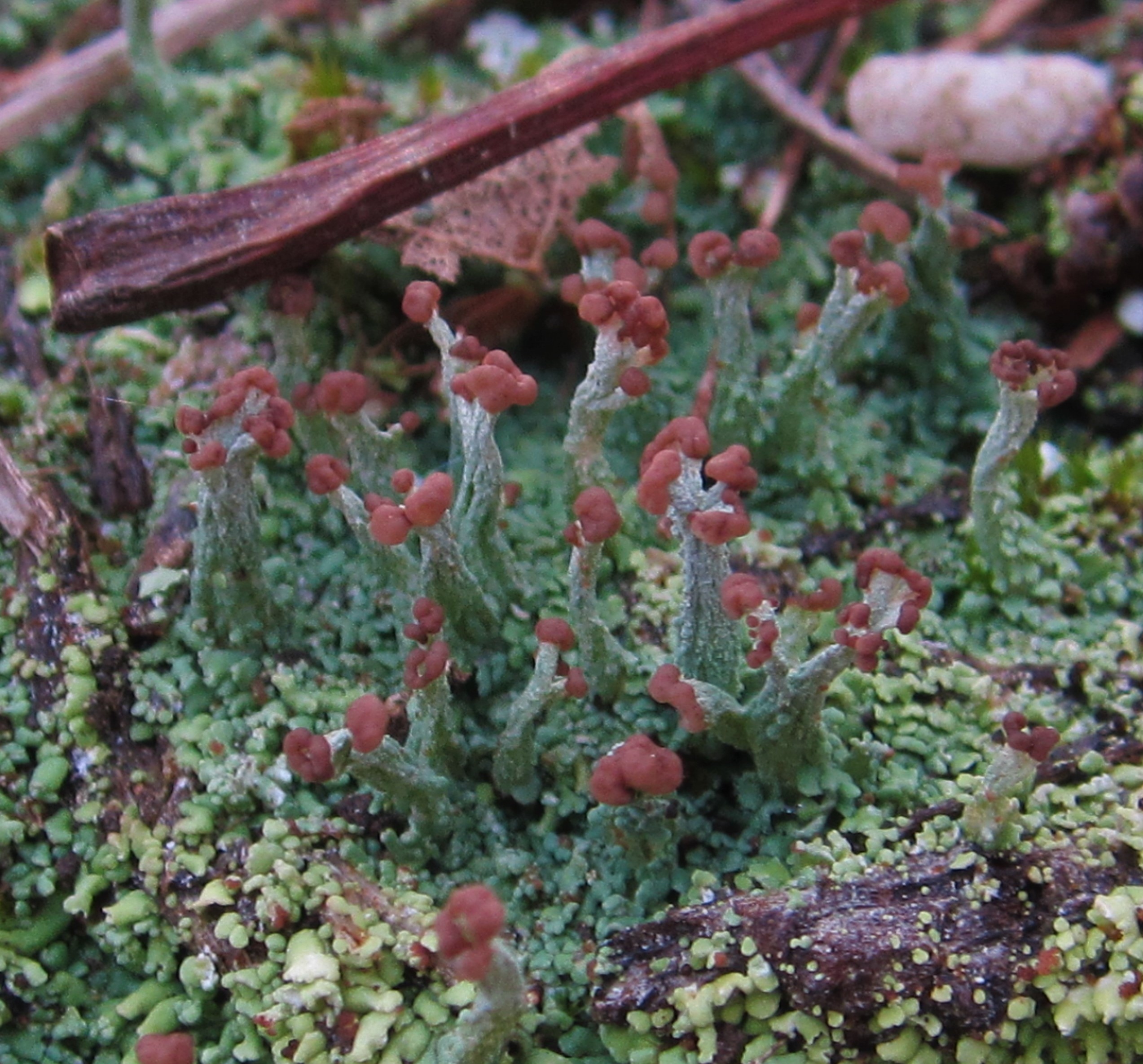
Other threatened species in Cladoniaceae

Frequently asked questions
Why is Black-footed Reindeer Lichen classified as Endangered?
Where does Black-footed Reindeer Lichen live?
What are the main threats to Black-footed Reindeer Lichen?
Get weekly conservation intelligence
One short digest a week of the most striking species and country data we ship, plus breaking conservation news paired with our database where it matters.
Free, no spam. One-click unsubscribe in every email.