Species Explorer
Browse and search species from the IUCN Red List and GBIF.
54,666 species

Subtropical Doradito
VUPseudocolopteryx acutipennis

Sucker
CRPetromyzon marinus
The Sea Lamprey faces severe population declines due to extensive dam construction blocking access to spawning rivers, habitat degradation from pollution and sedimentation, and historical overfishing. Conservation status may vary by region or assessment authority, but many populations have experienced dramatic reductions from their historical abundance.

Südliche Mulmschwebfliege
VUBrachypalpus valgus

Sulawesi Giant Squirrel
VURubrisciurus rubriventer
Sulawesi Soft-furred Rat
VUEropeplus canus

Sulphur Pearl
VUSitochroa palealis

Sultan Sazlığı Killifish
CRAphanius danfordii
The Sultan Sazlığı Killifish faces severe threats from habitat degradation and water management practices affecting its limited wetland habitats in Turkey. Agricultural intensification, water extraction, and pollution have dramatically reduced the quality and extent of suitable breeding and feeding areas. The species' restricted range makes it particularly vulnerable to local environmental changes and human activities.

Sumatran Cochoa
VUCochoa beccarii
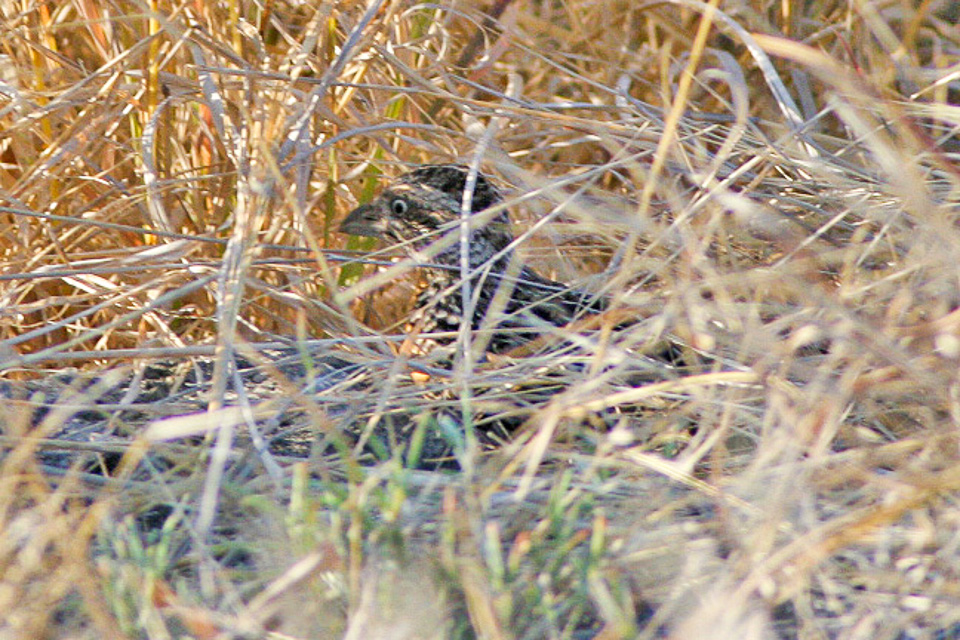
Sumba Buttonquail
VUTurnix everetti
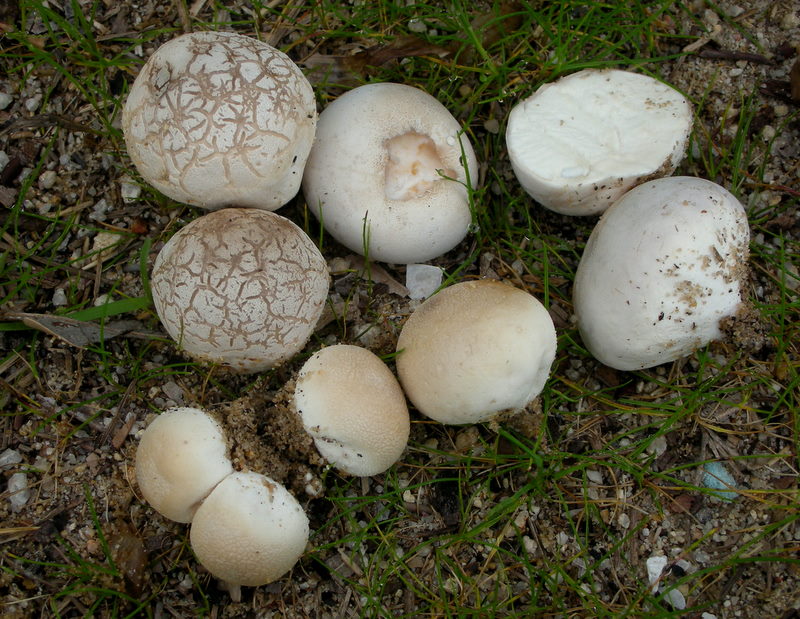
Summer Puffball
VUBovista aestivalis
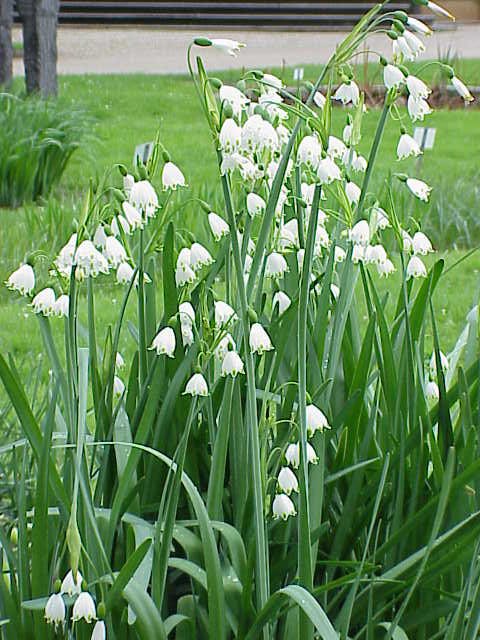
Summer snowflake
ENLeucojum aestivum
Sump-urtesvirreflue
ENCheilosia frontalis
Sumpbaldakinspinder
VUTaranucnus setosus
sumpbladskjærerveps
ENDiscoelius dufourii
sumpknorteskinn
VUHyphodontia alienata
Sundew Plume
CRBuckleria paludum
The Sundew Plume faces severe threats from wetland habitat destruction due to drainage for agriculture and urban development. Water pollution and altered hydrology from human activities degrade the specialized bog and marsh ecosystems the species requires. Climate change compounds these pressures by disrupting wetland water levels and plant communities essential for the moth's survival.

Sunny Brittlegill
VURussula solaris
Suoviiripyrstö
ENRachovia brevis

Suretka Glass Frog
ENHyalinobatrachium chirripoi

Sussex Emerald
VUThalera fimbrialis
svagtecknad röllekrotvecklare
ENDichrorampha incognitana

svart hålblomfluga
VUMallota cimbiciformis

svart hästmyra
VUCamponotus vagus
svart mulmblomfluga
VUChalcosyrphus nigripes
svart mulmblomfluga
VUChalcosyrphus jacobsoni
svart penningörtsvivel
CRCeutorhynchus granulicollis
The svart penningörtsvivel faces severe population declines due to habitat loss from agricultural intensification and urban development across its range. Pesticide use in agricultural areas has significantly reduced both the weevil populations and their host plants, while climate change is altering the distribution and phenology of suitable habitat conditions.
svart rødspore
VUEntoloma melanochroum
svartbent hårmygga
VUBibio fulvicollis
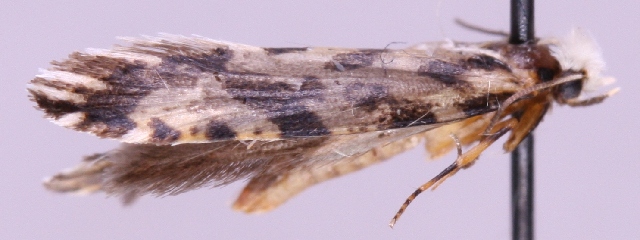
svartflekket kjukemøll
VUNemapogon nigralbella
svartkämpsjordloppa
CRLongitarsus niger
Longitarsus niger faces severe population declines due to habitat loss from agricultural intensification and urban development across its range. The species' specialized feeding requirements on specific host plants make it particularly vulnerable to environmental changes and pesticide use in agricultural landscapes.
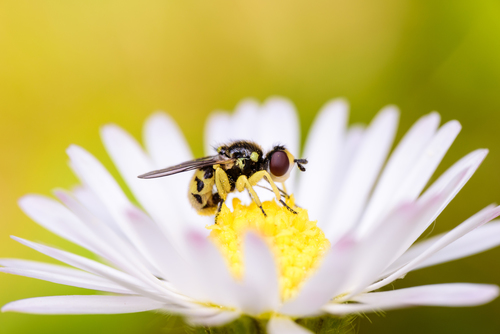
svartprickig gulstekelfluga
CRDalmannia punctata
The primary threat to Dalmannia punctata is habitat loss from intensive forestry practices that remove old-growth coniferous forests essential for its survival. Climate change may be disrupting the ecological relationships between the species and its host insects. The extremely limited recent sightings suggest the population is critically small and potentially fragmented.
svartspetsad rödrock
CRAmpedus praeustus
Ampedus praeustus faces severe threats from habitat loss due to intensive forestry practices that remove the old-growth deciduous and mixed forests it depends on. The species requires dead and decaying wood from mature trees for larval development, making it highly vulnerable to modern forest management that eliminates deadwood and reduces forest age diversity. Climate change and fragmentation of remaining suitable forest patches further compound these pressures.
svartstrimmad vedharkrank
VUPhoroctenia vittata
svartvit backglimmal
VUCaryocolum tischeriella
svenskt jordfly
ENSpaelotis suecica
svepeedderkopp
CRBaryphyma trifrons
Baryphyma trifrons faces severe threats from habitat destruction and fragmentation within its already extremely limited range. Climate change poses additional risks by potentially altering the specific environmental conditions required by this specialized species. The combination of small population size and restricted distribution makes the species highly vulnerable to local extinctions.

Swallow-tailed Gull
ENCreagrus furcatus
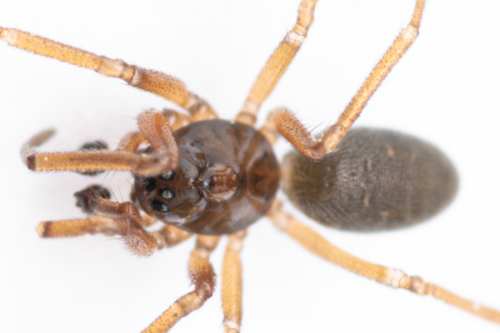
Swamp Lookout Spider
CRNotioscopus sarcinatus
The Swamp Lookout Spider faces severe threats from wetland habitat destruction due to drainage, development, and agricultural conversion. Water pollution and climate-induced changes to marsh hydrology further compromise the specialized aquatic environments this species requires. Its extremely limited range and small population size make it highly vulnerable to any environmental disturbance.

Swan Goose
ENAnser cygnoides

Swan-feather Dwarf
ENElachista argentella
Swan-necked Earth-moss
CRMicrobryum curvicollum
Swan-necked Earth-moss faces severe threats from habitat destruction due to agricultural expansion and urban development across its limited range. Climate change poses additional risks through altered precipitation patterns and increased drought frequency, which directly impacts the moist soil conditions this species requires for survival.
Swartz's Pigeonplum
VUCoccoloba swartzii

Swedish Pouchwort
CRCalypogeia suecica
Swedish Pouchwort faces severe threats from habitat degradation and loss of suitable microhabitats in its specialized bryophyte communities. Climate change and atmospheric pollution are altering the delicate moisture and chemical conditions required for this liverwort's survival, while human disturbance of forest ecosystems continues to fragment its already limited populations.

Sweet Gale Moth
VUAcronicta cinerea
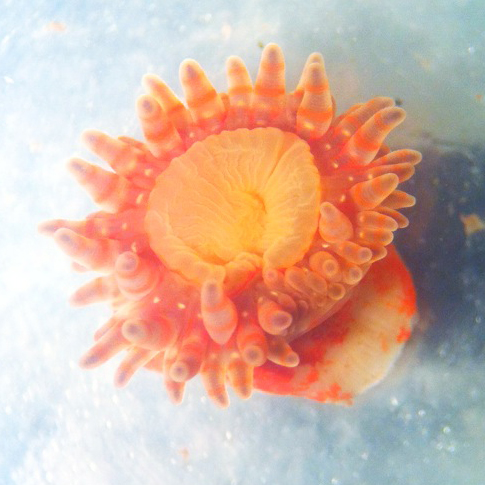
Swimming Anemone
VUStomphia coccinea
Swollen Dogtooth Moss
ENCynodontium strumiferum

Swollen-spurred Bladderwort
CRUtricularia gibba
Swollen-spurred Bladderwort faces severe decline primarily due to habitat destruction and degradation of its specialized aquatic environments. Wetland drainage, water pollution, and invasive species competition have significantly reduced suitable habitat availability across its range.
sydhedmyra
VUFormica bruni
sydlig blekspik
VUSclerophora amabilis
sydlig skärbladsmossa
VUParaleucobryum sauteri