
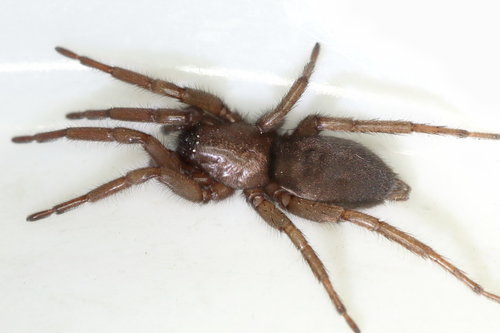
Chrysotoxum vernale
Photo: Wikimedia Commons (CC) via https://en.wikipedia.org/wiki/Chrysotoxum_vernale
Overview
A detailed profile for this species is sourced from the IUCN Red List of Threatened Species as assessments become available.
Habitat
This specialized hoverfly inhabits flower-rich meadows, chalk downs, and unimproved grasslands across northern and central Europe. The larvae develop as inquilines in ant nests, particularly those of Lasius species, making the species dependent on both diverse flowering plants for adult nutrition and specific ant colonies for reproduction.
Other threatened species in Syrphidae


Threatened in Åland Islands


Frequently asked questions
Why is Chrysotoxum vernale classified as Endangered?
Where does Chrysotoxum vernale live?
What are the main threats to Chrysotoxum vernale?
Get weekly conservation intelligence
One short digest a week of the most striking species and country data we ship, plus breaking conservation news paired with our database where it matters.
Free, no spam. One-click unsubscribe in every email.