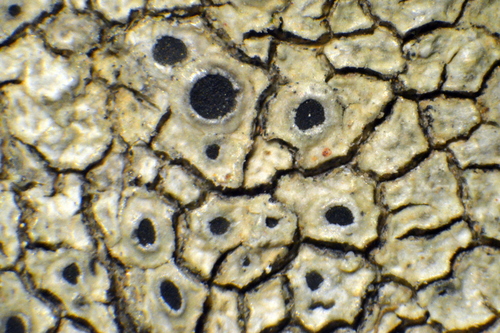
aquatic aspicilia
Aspicilia aquatica
Photo: Photo: (c) Jason Dart, some rights reserved (CC BY-NC), uploaded by Jason Dart
Overview
A detailed profile for this species is sourced from the IUCN Red List of Threatened Species as assessments become available.
Aspicilia aquatica faces severe threats from habitat degradation due to water pollution, eutrophication, and altered hydrology of freshwater systems. Climate change and increased frequency of extreme weather events further threaten the specialized aquatic environments this lichen requires, while its limited distribution makes populations particularly vulnerable to local extinctions.
Habitat
This aquatic lichen species inhabits rocks and substrates in clean, fast-flowing freshwater streams, rivers, and occasionally lake margins. It requires specific water chemistry conditions and is typically found in oligotrophic waters with low nutrient levels and high oxygen content.
Other threatened species in Megasporaceae

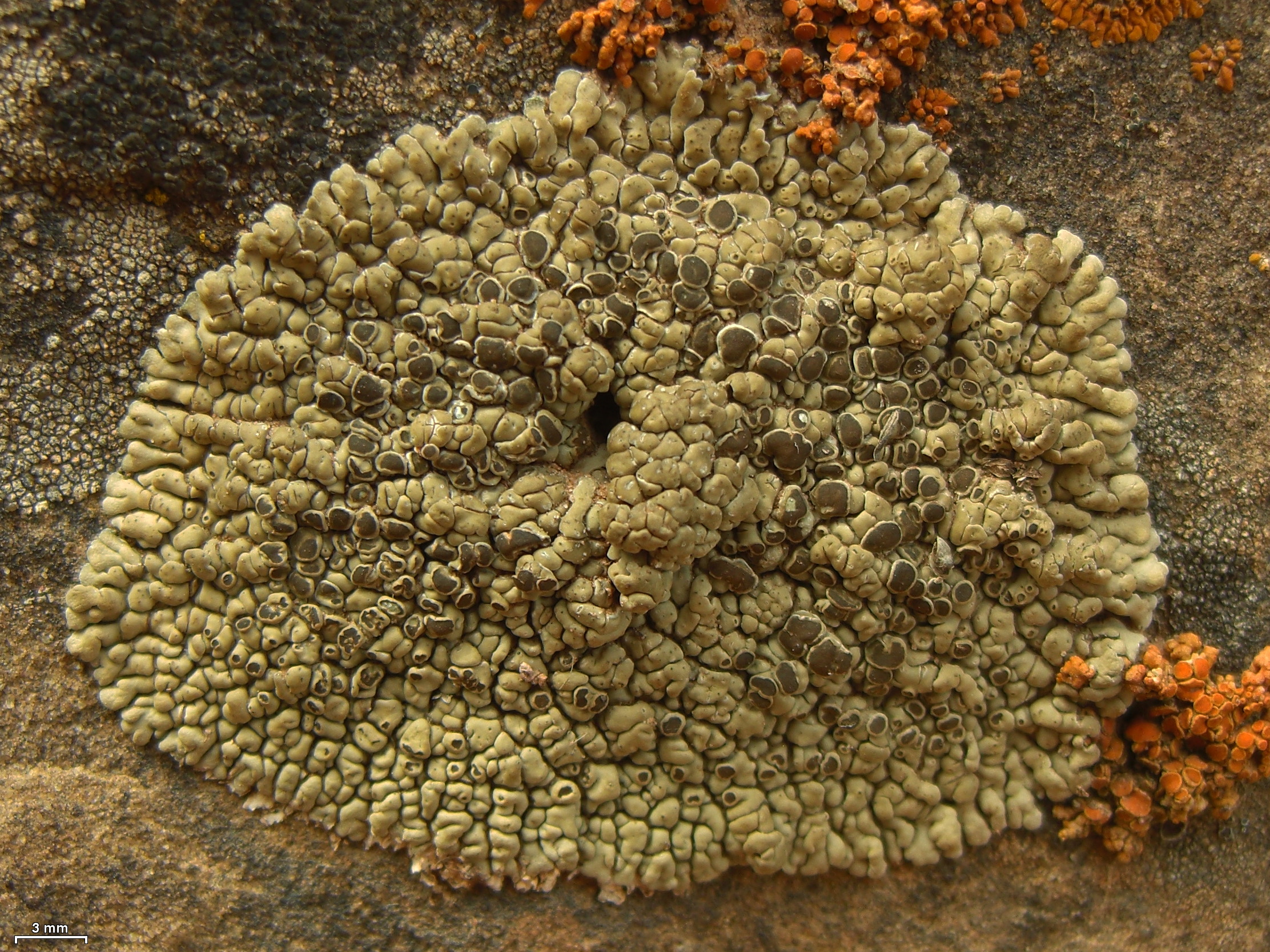
Frequently asked questions
Why is aquatic aspicilia classified as Critically Endangered?
Where does aquatic aspicilia live?
What are the main threats to aquatic aspicilia?
Get weekly conservation intelligence
One short digest a week of the most striking species and country data we ship, plus breaking conservation news paired with our database where it matters.
Free, no spam. One-click unsubscribe in every email.