
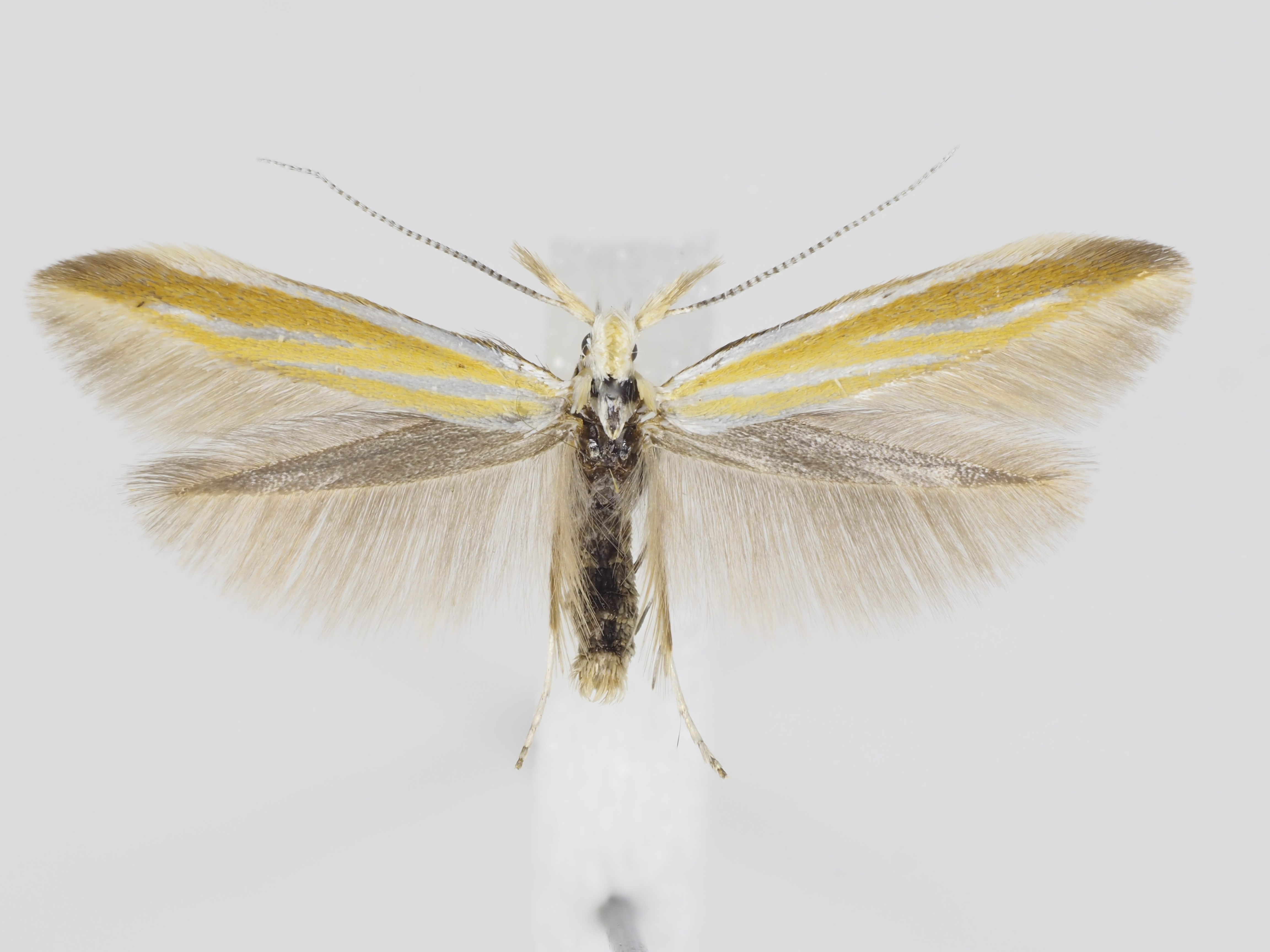
Coleophora brevipalpella
Photo: Photo: Wikimedia Commons, CC BY-SA
Overview
A detailed profile for this species is sourced from the IUCN Red List of Threatened Species as assessments become available.
Större klintsäckmal (Coleophora brevipalpella) faces severe threats from habitat loss and degradation of its specialized coastal cliff environments. Climate change poses additional risks through altered vegetation patterns and increased storm intensity affecting its fragile cliff-face habitats, while the species' highly restricted range makes it extremely vulnerable to local extinctions.
Habitat
This micro-moth species inhabits coastal cliff environments and rocky shoreline areas where it depends on specific host plants growing in crevices and on ledges of limestone and chalk cliffs. The species is associated with maritime grasslands and sparse vegetation communities that develop in these exposed coastal cliff systems.
Other threatened species in Coleophoridae
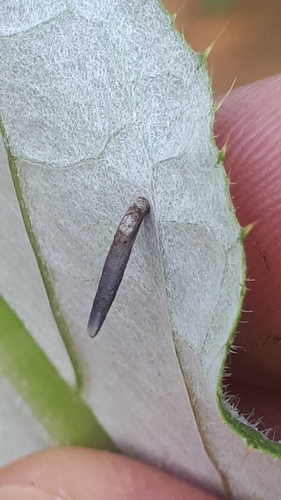

Frequently asked questions
Why is Coleophora brevipalpella classified as Critically Endangered?
Where does Coleophora brevipalpella live?
What are the main threats to Coleophora brevipalpella?
Get weekly conservation intelligence
One short digest a week of the most striking species and country data we ship, plus breaking conservation news paired with our database where it matters.
Free, no spam. One-click unsubscribe in every email.