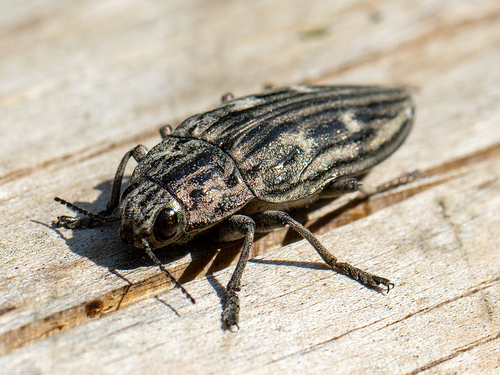
Pine-borer
Chalcophora mariana
Photo: Photo: (c) Peter Danter, all rights reserved, uploaded by Peter Danter
Overview
A detailed profile for this species is sourced from the IUCN Red List of Threatened Species as assessments become available.
Chalcophora mariana faces severe population declines due to habitat loss from deforestation and forest fragmentation, which eliminates the mature deciduous trees essential for its larval development. Climate change and increased frequency of forest fires further threaten remaining populations by altering forest composition and destroying critical breeding habitats.
Habitat
Mature deciduous and mixed forests, particularly those containing oak, beech, and other broadleaf trees where larvae develop in dead or dying wood. Adults are found in sun-exposed forest edges and clearings adjacent to mature woodland habitats.
Other threatened species in Buprestidae
Frequently asked questions
Why is Pine-borer classified as Critically Endangered?
Where does Pine-borer live?
What are the main threats to Pine-borer?
Get weekly conservation intelligence
One short digest a week of the most striking species and country data we ship, plus breaking conservation news paired with our database where it matters.
Free, no spam. One-click unsubscribe in every email.